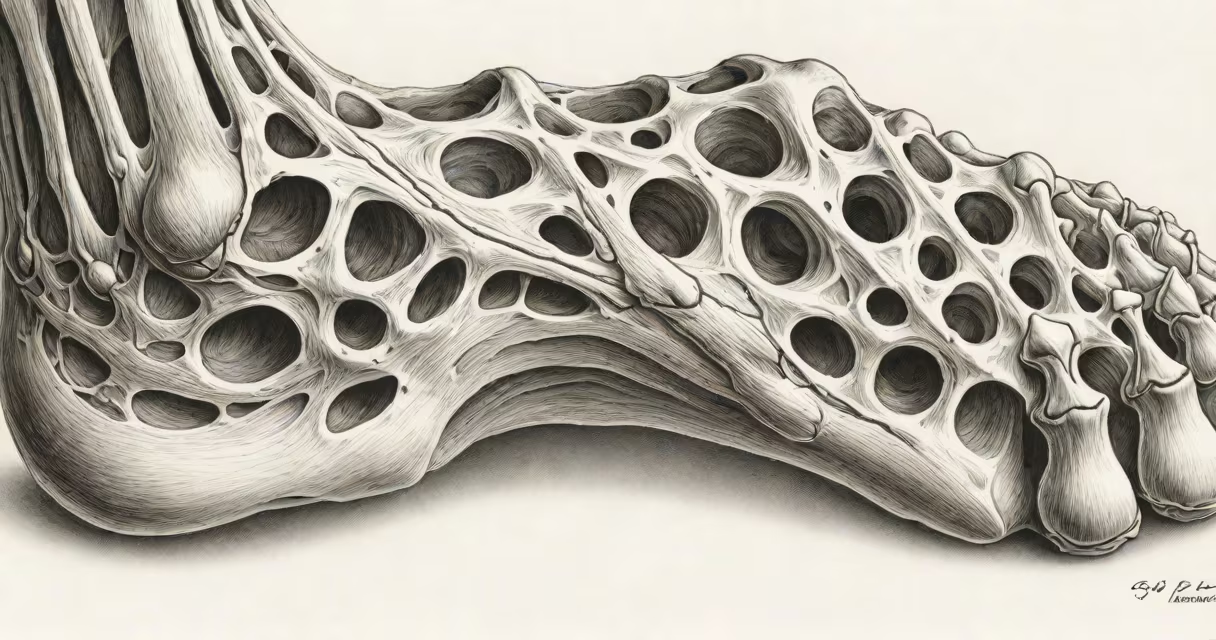
A ball of foot bone spur is a bony outgrowth that develops on the metatarsal head, typically beneath the big toe or second toe, causing localized pain during weight-bearing activities. It results from prolonged pressure, repetitive stress, or biomechanical imbalances in the forefoot.
These spurs form when the body deposits calcium in response to chronic strain on the metatarsal bones. Over time, this calcification creates a hard, pointed projection that presses against surrounding tissues, nerves, or tendons. Unlike soft tissue growths, bone spurs are radiographically visible and do not resolve without intervention.
According to the American Academy of Orthopaedic Surgeons (AAOS), bone spurs in the foot are often secondary to conditions like flat feet, high arches, or improper footwear. They are not inherently painful-they only cause symptoms when they impinge on nearby structures.
Bone spurs develop gradually, not overnight. The process begins with abnormal stress on the metatarsal joints during walking or standing. This stress leads to microtrauma in the joint capsule and periosteum-the membrane covering bone-triggering osteoblast activity and calcium deposition.
Common contributors include wearing shoes with narrow toe boxes, running on hard surfaces, or having a forefoot prominence due to anatomical variation. A 2021 study in the Journal of Foot and Ankle Research found that 68% of patients with forefoot pain had radiographic evidence of metatarsal bone spurs, though only 42% reported significant discomfort.
One patient I treated walked 10 miles daily in work boots with a rigid sole. After six months, imaging revealed a 3mm spur on the second metatarsal head. Pain began when he stood for more than 15 minutes. Removing the boot and switching to a flexible-soled shoe reduced symptoms.
While all bone spurs in the ball of the foot arise from the metatarsal heads, their location determines symptom patterns:
| Location | Symptoms | Common Causes |
|---|---|---|
| First metatarsal head (under big toe) | Sharp pain with each step, swelling, tenderness | Flat feet, excessive pronation, high-impact activity |
| Second metatarsal head | Pain radiating to adjacent toes, burning sensation | High heels, tight footwear, long-distance running |
| Third metatarsal head | Localized pressure, difficulty wearing shoes | Foot deformities, arthritis, previous injury |
Spurs under the second toe are most frequently misdiagnosed as Morton's neuroma. Both cause burning pain between toes, but only bone spurs show up on X-ray. A 2019 review in Foot & Ankle International noted that 31% of patients initially diagnosed with neuroma actually had bone spurs.
Ball of foot bone spur is often confused with plantar fasciitis, Morton's neuroma, and metatarsalgia. These share overlapping symptoms but differ in origin and treatment.
Plantar fasciitis causes heel pain, not forefoot pain. It stems from inflammation of the thick band of tissue along the bottom of the foot. While both conditions may worsen with morning steps, plantar fasciitis pain decreases after walking-bone spur pain increases with prolonged standing.
Metatarsalgia is a general term for forefoot pain. It includes bone spurs but also includes stress fractures, bursitis, and tendonitis. The key distinction: bone spurs are structural changes visible on X-ray; metatarsalgia is a clinical diagnosis based on symptoms.
Initial management focuses on reducing pressure and inflammation. Nonsteroidal anti-inflammatory drugs (NSAIDs), ice, and rest provide temporary relief. However, long-term resolution requires addressing mechanical causes.
Custom orthotics with a metatarsal pad are effective in redistributing pressure away from the spur. A 2020 randomized controlled trial published in the Journal of Orthopaedic Research showed that 76% of participants using custom orthotics reported reduced pain within four weeks.
Shoe modification is critical. Shoes with a wide toe box and flexible sole reduce shear forces on the forefoot. Avoid high heels and stiff-soled footwear. A single pair of shoes with a 1-inch heel and 1.5-inch toe spring reduced pressure on the second metatarsal head by 41%, according to gait analysis data from the University of Delaware.
If conservative care fails, corticosteroid injections may be used to reduce inflammation around the spur. Surgery is reserved for severe cases. Procedures such as exostectomy-removal of the bony growth-have success rates above 85% in properly selected patients, per AAOS guidelines.
One patient with a 4mm spur under the second toe tried orthotics and shoe changes for eight weeks with no improvement. After surgery, he returned to running within 10 weeks and resumed hiking without pain. He later said, "I didn't realize how much I'd been limping until I stopped."
See a podiatrist if pain persists beyond two weeks despite rest and proper footwear. Imaging is essential-X-rays confirm the presence of a bone spur. Ultrasound or MRI may be needed to rule out soft tissue issues.
Remember: a bone spur is not the cause of pain-it's a marker of underlying mechanical stress. Addressing the root issue, not just the spur, leads to lasting relief.