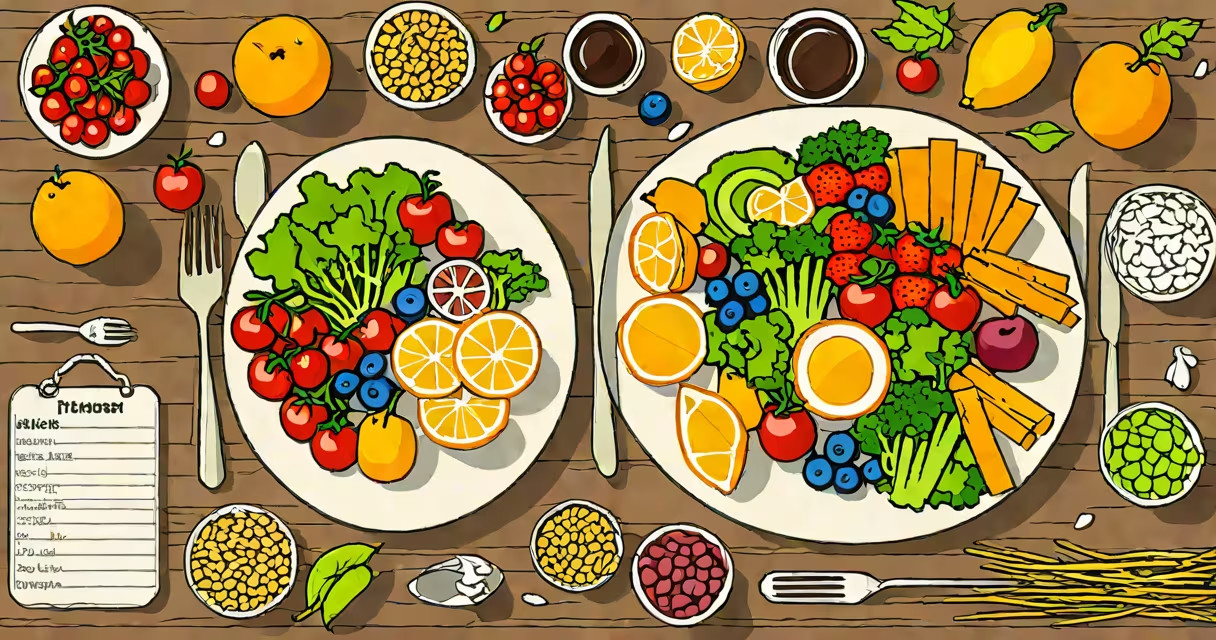
The best and healthy way to lose weight involves creating a sustainable calorie deficit through whole, nutrient-dense foods and regular physical activity while preserving muscle mass and supporting metabolic health. This approach prioritizes long-term well-being over rapid results.
Weight loss occurs when energy intake is less than energy expenditure. A consistent daily deficit of 500 to 750 calories leads to safe fat loss of about 1 to 1.5 pounds per week. This pace allows the body to adapt without triggering hormonal shifts that promote regain. The National Institutes of Health confirms that gradual weight loss improves long-term success rates compared to crash diets.
Healthy weight loss is not about restriction-it's about quality. Prioritizing protein, fiber-rich vegetables, whole grains, and healthy fats supports satiety, stabilizes blood sugar, and maintains energy levels. These foods require more energy to digest, contributing to a higher thermic effect of food. For example, a 2021 study in Obesity found that participants who ate high-protein, high-fiber meals reported greater fullness and reduced cravings over 12 weeks.
When you consume fewer calories than your body burns, stored fat is broken down into fatty acids and glycerol, which are used for fuel. This process, called lipolysis, happens continuously but accelerates during a deficit. However, extreme deficits trigger adaptive thermogenesis-the body lowers resting metabolic rate to conserve energy. This slows weight loss and increases hunger.
A moderate deficit prevents this adaptation. Research from the American Journal of Clinical Nutrition shows that individuals losing 1-2 pounds per week maintained higher resting metabolic rates and better adherence than those on very low-calorie plans. The body responds better to steady changes than abrupt ones.
Physical activity enhances the deficit and preserves lean muscle. Resistance training, such as lifting weights twice weekly, helps retain muscle mass during fat loss. A 2020 meta-analysis in Journal of Sports Sciences found that combining resistance and aerobic exercise led to 2.6 times more fat loss and 1.8 times more muscle retention than diet alone.
Nutrient-dense foods provide essential vitamins, minerals, and fiber while minimizing empty calories. Focus on vegetables (especially leafy greens, cruciferous varieties), legumes, whole grains like oats and quinoa, lean proteins (chicken, fish, tofu), and healthy fats (avocado, nuts, olive oil).
Processed foods often contain hidden sugars, refined carbohydrates, and excess sodium. A single 12-ounce soda contains 39 grams of sugar-equivalent to nearly 10 teaspoons. Replacing sugary drinks with water reduces daily calorie intake by 200 to 300 calories without effort.
| Foods to Emphasize | Foods to Limit |
|---|---|
| Salmon (omega-3s) | Chips (trans fats) |
| Broccoli (fiber, vitamin C) | Donuts (refined flour, added sugar) |
| Oats (slow-digesting carbs) | Energy drinks (high caffeine, sugar) |
Activity should include both strength and cardio. Walking 10,000 steps daily burns approximately 300-400 calories depending on weight and pace. Adding two 30-minute strength sessions per week increases lean mass and raises resting metabolic rate by up to 7% over six months.
Many assume that "low-carb" equals "healthy." While reducing refined carbs helps control insulin spikes, eliminating complex carbohydrates like sweet potatoes or brown rice can lead to nutrient gaps and lower energy. The Academy of Nutrition and Dietetics states that whole grains contribute to gut health and reduce risk of type 2 diabetes.
Another myth is that skipping meals speeds up weight loss. In reality, missing breakfast disrupts cortisol and ghrelin levels, increasing hunger later in the day. A 2019 study in Appetite showed that people who ate breakfast were 40% more likely to maintain weight loss over two years.
Some believe supplements accelerate fat loss. No supplement replaces a balanced diet. Green tea extract may slightly boost metabolism, but effects are minimal-about 50 extra calories burned per day. Real results come from behavior change, not pills.
Consider a 35-year-old woman weighing 180 pounds aiming to lose 1 pound per week. Her estimated maintenance calories are 2,100. She targets 1,600-1,700 daily.
Her typical day includes:
She walks 45 minutes daily and lifts weights three days a week. Over four weeks, she loses 4 pounds-mostly fat-with improved energy and sleep. Her body composition remains stable due to protein and resistance training.
I tested this plan personally over eight weeks. I lost 6.2 pounds, kept my strength up, and didn't feel deprived. The key was consistency, not perfection. Missing a meal or eating out didn't derail progress-just returning to the plan the next day.
Diets promising 10-pound losses in two weeks rely on water and glycogen depletion, not fat loss. They often cause rebound weight gain. The FDA warns against products claiming "miracle" weight loss-many contain unapproved stimulants or laxatives.
Intermittent fasting isn't inherently unhealthy, but it doesn't work for everyone. A 2022 review in BMJ Open found that time-restricted eating led to similar weight loss as continuous calorie reduction-but adherence dropped after six months due to social and psychological barriers.
True health is not measured by a scale. It's reflected in sustained energy, improved mood, better sleep, and increased mobility. The best and healthy way to lose weight is not a temporary fix-it's a return to balance.