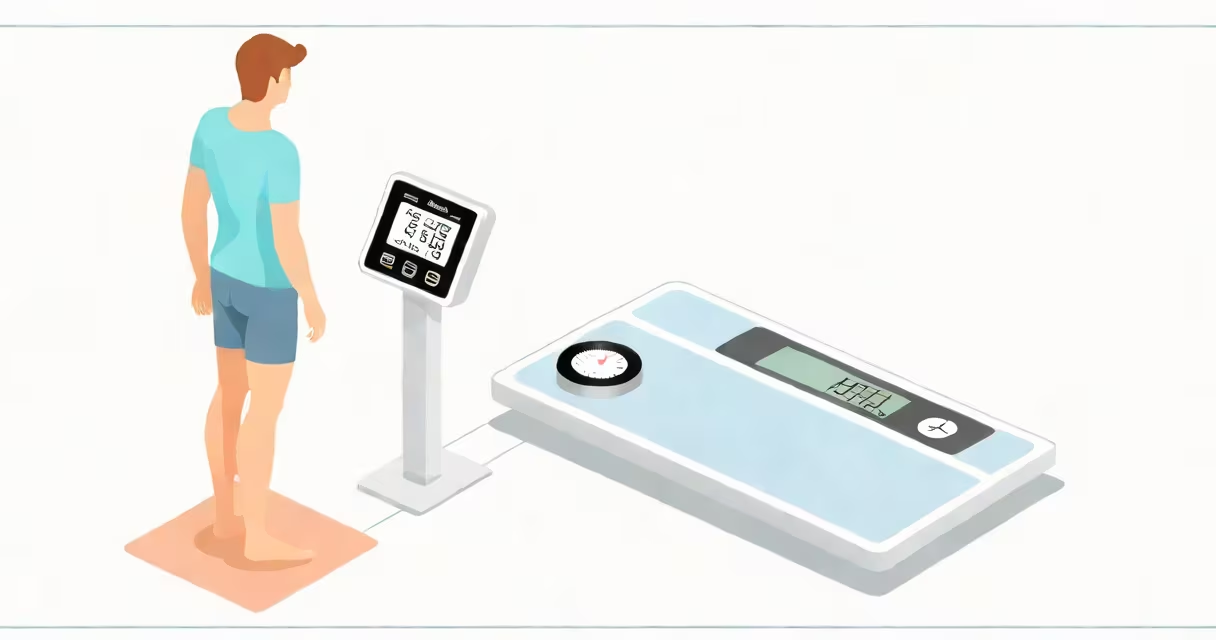
The bmi calculator body uses height and weight to estimate body fat and assess health risks associated with underweight, overweight, or obesity. It calculates a number derived from dividing weight in kilograms by the square of height in meters.
BMI is a screening tool, not a diagnostic measure. It provides a quick way to categorize individuals into weight ranges based on standardized thresholds. The World Health Organization defines a BMI below 18.5 as underweight, 18.5-24.9 as normal weight, 25-29.9 as overweight, and 30 or higher as obese. These categories correlate with increased risk for conditions like type 2 diabetes, cardiovascular disease, and certain cancers.
Despite widespread use, BMI has known limitations. It doesn't distinguish between muscle and fat, nor does it account for body composition distribution. A muscular athlete may fall into the "overweight" category despite low body fat. Similarly, older adults may have normal BMI but high visceral fat due to age-related muscle loss. The National Institutes of Health notes that while BMI is useful for population-level assessments, it should not be used alone to diagnose individual health status.
The bmi calculator body applies a standard formula: BMI = weight (kg) / [height (m)]². For example, a person weighing 70 kg and standing 1.75 m tall has a BMI of 22.86, which falls within the normal weight range. This value is calculated automatically in most online tools and mobile apps.
When using metric units, ensure accurate measurement. Weigh yourself without shoes or heavy clothing. Measure height in centimeters, then convert to meters by dividing by 100. Using imperial units requires converting pounds to kilograms (divide by 2.2046) and inches to meters (multiply inches by 0.0254).
A fully worked example: A 5'6" (167.6 cm) woman weighs 150 lbs (68.04 kg). Her BMI is 68.04 / (1.676)² = 24.3. This places her in the normal weight category. However, if she has a high waist circumference or elevated blood pressure, further testing may be needed to evaluate metabolic health.
While the core formula remains consistent, different versions exist to address specific populations. Standard BMI calculators assume average body composition. Specialized tools adjust for ethnicity, age, sex, and regional differences in fat distribution.
| Type | Adjustments | Use Case |
|---|---|---|
| Standard BMI | None | General adult population |
| BMI for Asian populations | Lower thresholds; obesity starts at BMI 23 | Asian men and women due to higher risk at lower BMI values |
| BMI for seniors | Adjusted for age-related muscle loss and frailty | Adults over 65 with altered body composition |
For instance, the Asian population has a higher prevalence of abdominal fat at lower BMIs compared to Western populations. The World Health Organization recommends lowering the threshold for overweight and obesity in Asian adults to BMI 23 and 25, respectively. This adjustment reflects greater health risks at lower BMI levels.
Similarly, older adults often lose muscle mass and gain fat even with stable weight. A 70-year-old woman with a BMI of 24 may appear healthy but could have significant visceral fat accumulation. Research published in *The Journal of Clinical Endocrinology & Metabolism* shows that BMI underestimates adiposity in older adults, leading to missed diagnoses of metabolic syndrome.
Many people believe BMI directly measures body fat percentage. It does not. A study in *Obesity Reviews* found that BMI correlates poorly with actual body fat measured via dual-energy X-ray absorptiometry (DXA), especially in athletes and elderly individuals. The correlation coefficient was only 0.71, indicating moderate agreement.
Another misconception is that a normal BMI guarantees good health. A person with a BMI of 22 can still have insulin resistance, high triglycerides, or fatty liver disease. The American Heart Association emphasizes that waist circumference and blood markers provide better insight into cardiometabolic risk than BMI alone.
Some users assume BMI calculators are equally accurate across all ethnic groups. This is false. The standard BMI cutoffs were developed primarily from data on White European populations. Using them globally leads to misclassification. For example, South Asian populations show increased risk of type 2 diabetes at BMIs below 23, prompting the need for tailored tools.
I used a standard BMI calculator during a routine check-up. My height was 5'8" (1.73 m), weight 165 lbs (74.8 kg). The result was 24.7 - just above the normal range. I felt healthy, exercised regularly, and had no symptoms. But my doctor ordered a fasting glucose test and lipid panel. Results showed borderline insulin resistance and elevated LDL cholesterol. A follow-up DXA scan revealed 32% body fat, higher than expected for my BMI.
The bmi calculator body is a widely used tool for estimating health risk based on weight and height. While it offers a simple, accessible method for initial assessment, it should not replace clinical judgment or advanced diagnostics. Understanding its limits ensures better decisions about health and wellness.