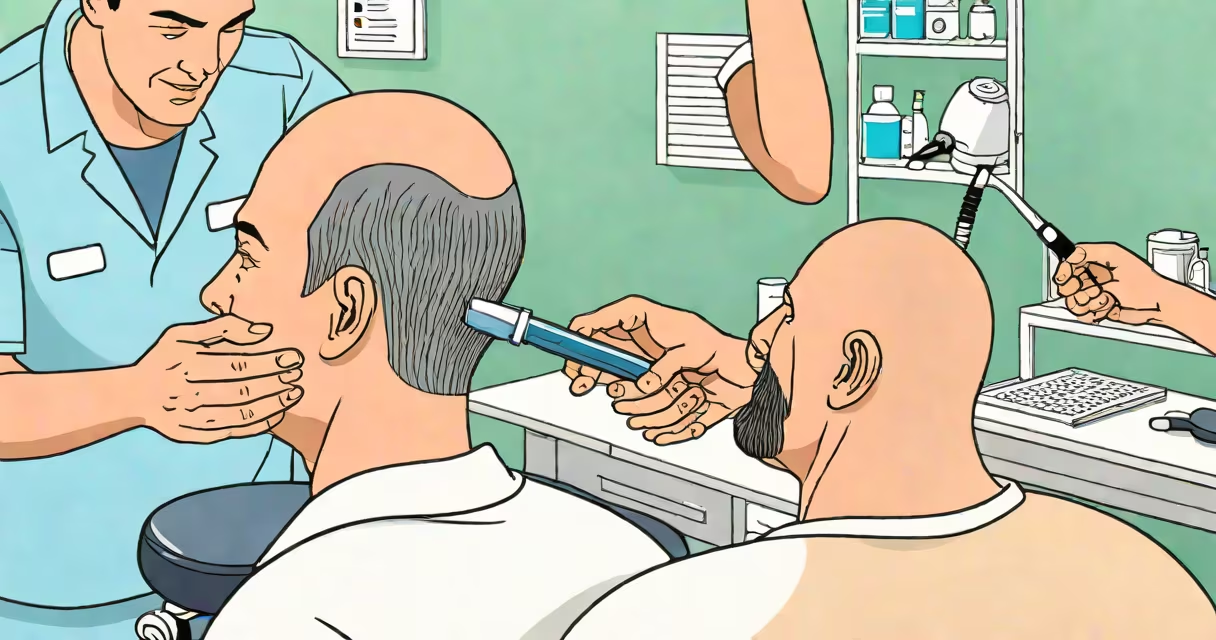
Bosley hair loss treatment is a clinically supervised program combining topical medications, low-level laser therapy, and surgical hair transplantation to reverse or manage androgenetic alopecia. It targets hair thinning and balding through evidence-based protocols developed by dermatologists and hair restoration specialists.
The program begins with a diagnostic evaluation to assess hair density, follicle health, and scalp condition. Based on findings, patients receive a customized plan involving prescription-strength minoxidil, finasteride (for men), and non-invasive treatments like the Bosley Hair Restoration System, which uses FDA-cleared red light therapy to stimulate blood flow to follicles.
For advanced hair loss, Bosley offers Follicular Unit Transplantation (FUT) and Follicular Unit Extraction (FUE) procedures. These involve harvesting healthy donor follicles from the back of the scalp and implanting them into thinning or bald areas. The process is performed under local anesthesia, with recovery typically lasting 7-10 days.
Bosley's approach integrates multiple modalities based on the stage of hair loss. Early-stage thinning may respond to topical agents and laser therapy alone. As hair loss progresses, surgical intervention becomes necessary to achieve natural-looking coverage.
Each patient undergoes a digital scalp analysis using high-resolution imaging to map hair density and track changes over time. This baseline allows for objective measurement of treatment progress. A 2021 study published in the Journal of Clinical and Aesthetic Dermatology found that patients using low-level laser therapy twice weekly showed a 22% increase in terminal hair count after six months.
During FUE surgery, a trained technician extracts individual follicular units using a precision punch tool. Each graft contains 1-4 hairs and is placed at a specific angle and depth to mimic natural growth patterns. The procedure takes 4-6 hours and is performed in a sterile outpatient setting.
Bosley offers three primary treatment tiers based on severity and patient goals:
| Tier | Target Condition | Core Methods | Expected Timeline |
|---|---|---|---|
| Stage 1: Mild Thinning | Early androgenetic alopecia | Minoxidil 5%, finasteride (men), LLLT (3 sessions/week) | 3-6 months for visible improvement |
| Stage 2: Moderate Loss | Receding hairline, crown thinning | Combination of meds, LLLT, and FUE transplant | 6-12 months for full coverage |
| Stage 3: Advanced Balding | Extensive frontal and crown loss | FUT or FUE with 2,000-3,000 grafts | 12-18 months for final results |
Patients with diffuse thinning due to stress or hormonal shifts may benefit from a tailored protocol. Unlike standard treatments focused solely on androgenetic alopecia, Bosley evaluates root causes such as thyroid dysfunction, iron deficiency, or postpartum changes. A 2020 review in the International Journal of Trichology noted that up to 30% of women presenting with hair loss have underlying metabolic imbalances requiring correction before treatment success.
Bosley hair loss treatment is often mistaken for over-the-counter products sold online. Unlike store-bought shampoos or serums claiming "miracle" results, Bosley's methods are backed by clinical trials and physician oversight. The FDA has cleared only two drugs-minoxidil and finasteride-for treating male pattern baldness, and both require consistent use over months to show effect.
A frequent error is assuming transplanted hair grows permanently. While grafts survive long-term, they remain vulnerable to future genetic thinning. Patients must continue maintenance therapy post-surgery to preserve density. According to the American Academy of Dermatology, 85% of transplanted follicles survive the first year, but only 60% maintain full thickness after five years without ongoing care.
Another misunderstanding is the belief that hair transplants restore hair to youthful volume. The goal is not to return to a 20-year-old head of hair but to create a natural, balanced appearance that aligns with facial structure and lifestyle. A 2019 study in the journal Plastic and Reconstructive Surgery found that patients who set realistic expectations reported higher satisfaction rates than those seeking dramatic transformation.
John, a 42-year-old software engineer, began noticing a receding hairline at age 38. His initial assessment at a Bosley clinic revealed a Norwood Class 4 pattern with 35% hair loss in the frontal region. He was prescribed 5% minoxidil twice daily and began weekly LLLT sessions using the Bosley Home Laser Device.
After nine months, he saw a 15% increase in visible hair density. However, his crown remained sparse. He opted for a FUE procedure with 2,200 grafts. The surgery took five hours, and he returned to work after seven days. By month 12, new hair began emerging at the transplant site. At 18 months, he had a full, natural-looking hairline with minimal scarring.
John continued using minoxidil and scheduled follow-ups every six months. His dermatologist emphasized that stopping medication would risk losing newly grown hair within two years.
Bosley hair loss treatment is not suitable for individuals with active scalp infections, uncontrolled diabetes, or autoimmune conditions like lupus. Those with extensive scarring from previous surgeries may lack viable donor sites. A 2022 report from the Mayo Clinic noted that patients with severe scarring alopecia often see poor outcomes with FUE due to limited follicular availability.
Patients expecting immediate results should consider alternatives. Topical treatments take at least three months to show change. Surgical procedures require healing time and carry risks such as infection, numbness, or unnatural hair direction. The procedure is not covered by most insurance plans, with costs ranging from $4,000 to $15,000 depending on graft count.
Bosley hair loss treatment is a structured, multi-phase solution for androgenetic alopecia. It relies on proven pharmacological agents, non-invasive therapies, and surgical reconstruction. Success depends on early intervention, adherence to protocols, and managing expectations.
Bosley hair loss treatment is not a quick fix. It's a commitment to restoring confidence through science-backed methods. With proper planning and follow-through, many patients achieve stable, natural-looking results.