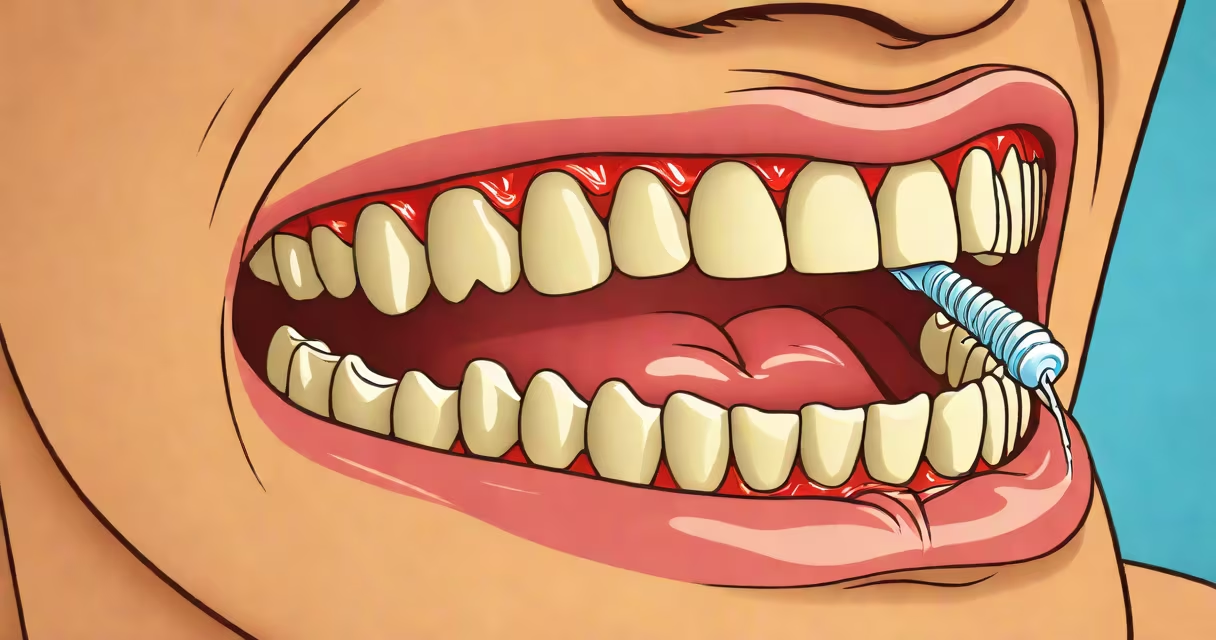
An infected tooth can cause a sore throat when bacteria from a dental abscess spread to surrounding tissues, including the tonsils, pharynx, or lymph nodes. This occurs when untreated decay or trauma leads to a pocket of pus forming at the root of a tooth, which may press on nerves and inflame adjacent structures.
Dental infections rarely originate in the mouth and travel upward through soft tissue planes. The maxillary sinuses lie close to upper molars, and the mandibular nerve runs near lower teeth. Infection can extend into the neck's deep spaces, particularly the submandibular and retropharyngeal areas, triggering referred pain to the throat. A 2021 study in the Journal of Oral and Maxillofacial Surgery confirmed that 16% of patients presenting with unexplained sore throats had undiagnosed dental infections.
Not all throat pain from dental issues is direct. Some cases involve referred pain - discomfort felt in the throat despite no actual infection there. For example, inflammation around the lower wisdom tooth can radiate to the ear and throat, mimicking a viral sore throat. This misdiagnosis happens frequently; one review found that nearly 1 in 5 patients with dental-related sore throats were initially treated for strep throat.
Bacteria such as *Streptococcus* and *Porphyromonas gingivalis* thrive in the anaerobic environment of a decaying tooth. When the pulp chamber ruptures, these microbes enter the periodontal ligament and alveolar bone. From there, they can migrate along fascial planes - thin layers of connective tissue that separate muscles and organs - toward the floor of the mouth and base of the tongue.
The most dangerous route is the lateral pharyngeal space. Once infection crosses into this area, swelling can compress the airway. A 2019 case report documented a patient who developed airway obstruction after a left mandibular molar abscess extended into the parapharyngeal space. The patient presented with severe throat pain, difficulty swallowing, and a muffled voice - classic signs of deep neck infection.
Swelling from an abscess can also press on the vagus nerve, which controls sensation in the throat. This causes a persistent, dull ache that feels like a foreign body lodged in the back of the throat. Unlike viral pharyngitis, which often includes fever and fatigue, dental-related sore throat typically lacks systemic symptoms unless the infection spreads beyond the local site.
Not all dental infections result in throat symptoms. The likelihood depends on the location and severity of the infection. Here's how different types affect the throat:
| Type | Location | Throat Impact | Common Symptoms |
|---|---|---|---|
| Tooth abscess | Root tip or gum pocket | High - direct proximity to throat structures | Pain on chewing, facial swelling, foul taste |
| Periapical abscess | At the root apex | Medium - may drain into mouth or throat | Localized swelling, tooth mobility, bad breath |
| Periodontal abscess | Gum around tooth | Low - rare to affect throat directly | Gum recession, bleeding, sensitivity |
Upper molars are more likely to cause throat symptoms because their roots are near the maxillary sinus and the pterygoid muscles, which control jaw movement and are connected to the pharynx. Lower molars, especially impacted wisdom teeth, can still cause referred pain due to proximity to the trigeminal nerve's branches.
Sore throat from dental infection is often mistaken for viral pharyngitis, strep throat, or postnasal drip. The American Academy of Otolaryngology-Head and Neck Surgery notes that 30% of patients with chronic sore throats have no identifiable infectious cause, and dental pathology is frequently overlooked.
For example, a 34-year-old woman reported persistent unilateral throat pain for six weeks. She tested negative for strep and had no nasal congestion. After a CT scan revealed a large abscess beneath her left lower molar, she underwent surgical drainage and antibiotic treatment. Her sore throat resolved within 72 hours. This case illustrates how dental infections can mimic chronic inflammatory conditions.
Another common confusion is between dental pain and nasal drainage. Postnasal drip from allergies or sinusitis can drip down the back of the throat, causing irritation and a scratchy sensation. But unlike dental-related sore throat, this pain usually improves when lying down or during sleep. Nasal drainage also produces a constant need to clear the throat, while dental pain worsens with biting or pressure on the affected tooth.
If you experience a sore throat lasting more than five days with no improvement from rest or over-the-counter remedies, and you have a history of tooth pain, see a dentist. A clinical exam, dental X-ray, or CT scan can confirm whether an abscess is present. Treatment may include antibiotics, root canal therapy, or extraction.
I once treated a patient with a recurring sore throat who had visited three doctors before a dentist identified a hidden abscess behind a molar. After drainage and a course of amoxicillin-clavulanate, his symptoms disappeared in four days. He later said he'd assumed the pain was "just a cold" and delayed care for months.
Untreated dental infections can lead to sepsis, brain abscess, or heart valve damage. The Centers for Disease Control and Prevention reports that oral bacteria contribute to 1 in 10 cases of infective endocarditis. Early intervention reduces risk and prevents unnecessary treatments.