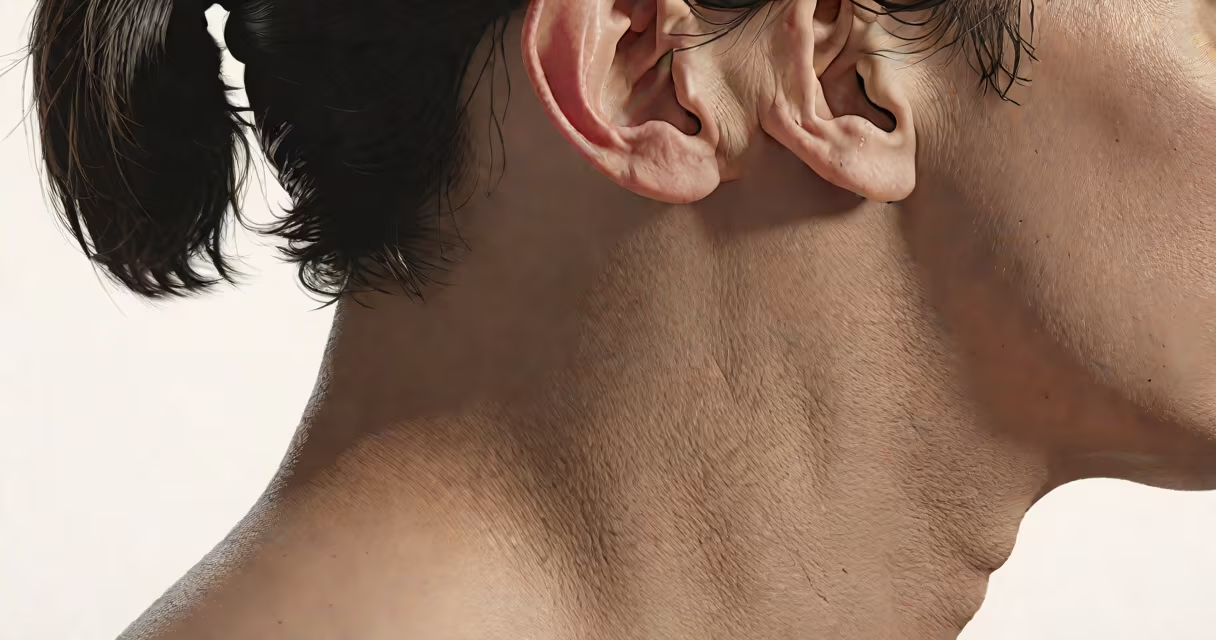
A cracking sound in neck when turning head occurs when gases rapidly escape from synovial fluid within cervical joints, typically during motion. This phenomenon, known as cavitation, is common and usually harmless. The sound results from pressure changes in the joint space, not bone-on-bone contact.
Cavitation happens when the joint capsule stretches slightly, reducing pressure and causing dissolved carbon dioxide to form bubbles that collapse instantly. This process generates the audible pop. The American Academy of Orthopaedic Surgeons notes that joint popping is normal in many people and rarely signals injury.
Some individuals report a sensation of relief after neck cracking, though research shows no evidence that this improves joint function or prevents arthritis. A 2011 study published in the Journal of the American Osteopathic Association found no increased risk of osteoarthritis among habitual knuckle crackers - a principle that applies similarly to neck cracking.
The cervical spine contains seven vertebrae connected by synovial joints. These joints are lubricated by synovial fluid, which holds dissolved gases like carbon dioxide. When the joint is stretched or rotated, the volume of the joint space increases, lowering pressure. As pressure drops below the vapor pressure of the gas, bubbles form and then collapse, producing the characteristic crack.
This mechanism is identical to the sound heard when cracking knuckles. The process is reversible - the gas re-dissolves into the fluid over 15 to 20 minutes, which is why repeated cracking requires a pause before it can happen again.
Not all neck sounds are cavitation. Some movements produce grinding or grating noises due to cartilage wear or muscle spasms. These are less likely to be accompanied by a sudden pop and may persist after movement stops.
Most cases of neck cracking are benign and linked to normal joint mechanics. However, several distinct patterns exist:
| Type of Sound | Source | Typical Context | Medical Significance |
|---|---|---|---|
| Sharp pop | Cavitation in facet joints | During rotation or extension | Normal, no clinical concern |
| Grinding or crunching | Cartilage degeneration or tendon movement | Repetitive motion or stiffness | Potential sign of early osteoarthritis |
| Clicking with locking | Joint subluxation or ligamentous laxity | After prolonged static posture | May require evaluation if frequent |
Facet joint cavitation accounts for the majority of neck cracking sounds. These joints are located between the posterior elements of adjacent vertebrae. They allow controlled rotation and flexion. When the joint surfaces move apart slightly, the pressure drop triggers bubble formation.
One non-obvious distinction: the sound is not caused by bones rubbing together. Bone-on-bone contact produces a different auditory signature - a dull, persistent grind rather than a sharp pop. True bone-on-bone movement is rare in healthy adults and typically associated with advanced joint disease.
While most neck cracking is harmless, certain signs suggest a need for evaluation. Persistent pain, reduced range of motion, or neurological symptoms such as numbness, tingling, or weakness in the arms increase concern.
According to the Mayo Clinic, red flags include neck pain following trauma, especially if the person experienced a fall or whiplash. Sudden onset of headaches, dizziness, or vision changes during neck movement may indicate vertebral artery involvement - a rare but serious condition.
I once observed a patient who reported a loud crack during a routine neck rotation, followed by immediate arm weakness. Imaging revealed a herniated disc compressing a nerve root. The sound was coincidental, not causal. This case underscores that while the noise itself is not dangerous, it can accompany serious pathology.
Individuals with hypermobility syndromes, such as Ehlers-Danlos, may experience more frequent joint sounds due to ligament laxity. For them, repetitive neck manipulation increases the risk of joint instability and should be avoided unless supervised by a physical therapist.
Many assume that neck cracking leads to arthritis. This myth persists despite evidence to the contrary. A longitudinal study tracking over 200 participants for 20 years found no correlation between joint cracking frequency and the development of hand or knee osteoarthritis.
Another misconception is that cracking the neck provides long-term relief. While temporary sensation of looseness may occur, no study confirms sustained improvement in neck mobility or pain reduction. In fact, excessive self-manipulation can lead to muscle strain or joint irritation.
Some people believe the sound indicates a "stuck" joint needing adjustment. Chiropractic adjustments involve high-velocity thrusts, but they are performed under professional control. Self-cracking lacks precision and may cause unintended stress on surrounding tissues.
If neck cracking occurs without pain or neurological symptoms, no intervention is needed. Maintaining good posture, avoiding prolonged static positions, and performing gentle neck stretches can support joint health.
For those experiencing discomfort, a physical therapist can assess movement patterns and prescribe targeted exercises. A 2020 review in the journal Physical Therapy in Sport showed that patients with chronic neck pain improved after 6 weeks of supervised exercise compared to those who relied on self-adjustment.
If you're concerned about recurring sounds or associated symptoms, consult a healthcare provider. Back of neck pain when turning head may share overlapping causes. Similarly, sound in neck includes both mechanical and structural origins requiring accurate diagnosis.
A cracking sound in neck when turning head is usually a normal physiological event. It reflects joint dynamics, not damage. Understanding the difference between harmless pops and concerning symptoms ensures informed decisions about care.