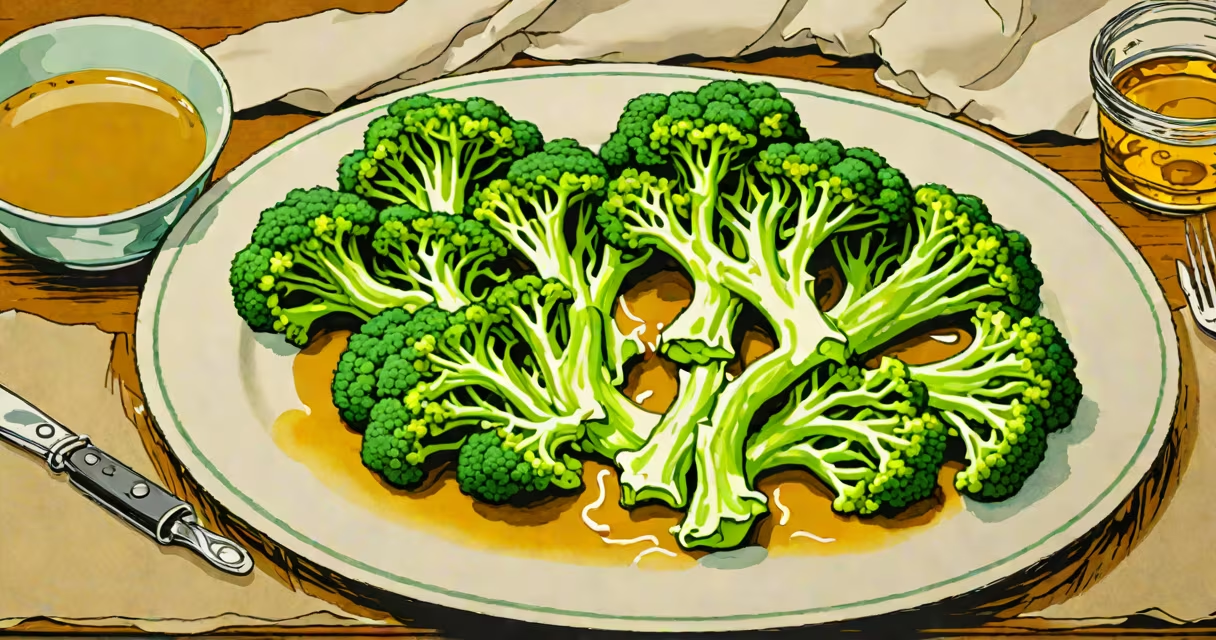
You can eat cooked broccoli before a colonoscopy only if it's soft, well-cooked, and consumed during the clear liquid phase of prep. Raw or fibrous broccoli is not allowed. The timing and preparation method determine whether it's acceptable.
Bowel preparation for a colonoscopy requires minimizing solid food intake to ensure the colon is empty and visible under the scope. The standard protocol divides prep into phases: low-residue days (3-5 days before), clear liquids (24 hours before), and then nothing by mouth until the procedure. Cooked broccoli may fit within the clear liquid window if it's pureed or blended into a smooth consistency.
The American Society for Gastrointestinal Endoscopy (ASGE) recommends avoiding high-fiber foods like broccoli, beans, and whole grains in the 3-5 days leading up to the exam. Even if cooked, broccoli contains insoluble fiber that resists digestion and can remain in the colon, interfering with visualization. For this reason, most gastroenterologists advise against eating any form of broccoli during the low-residue phase.
Colonoscopy prep aims to clear the large intestine of stool and residue. A clean colon allows the endoscopist to detect polyps, inflammation, or early signs of cancer. If residue remains, the test may need to be repeated, increasing risk and cost.
Prep typically begins 3-5 days before the procedure with a low-fiber diet. This phase restricts foods like nuts, seeds, popcorn, raw vegetables, and whole grains. Cooked broccoli falls into the gray zone: while cooking reduces fiber content slightly, it still retains significant insoluble fiber. The Mayo Clinic notes that even well-cooked vegetables can leave undigested particles in the colon.
For example, a 1-cup serving of boiled broccoli contains about 5 grams of fiber. That's nearly half the daily recommended limit for a low-residue diet. If eaten the day before the procedure, it could delay bowel cleansing and affect results. The goal is not just to avoid solids but to eliminate any material that doesn't dissolve completely.
Cooked broccoli is permitted only during the clear liquid phase if it's processed into a smoothie or blended into a nutrient-dense liquid. Some centers allow low-fiber, pureed vegetable soups if they pass the "no visible particles" test.
For instance, a patient preparing for a morning colonoscopy may be instructed to consume only clear liquids after 6 PM the night before. In this window, a blenderized version of cooked broccoli-strained through a fine mesh-might be acceptable. However, this is not standard practice and depends on the center's specific guidelines.
A real-world example: A 2022 study published in *Gastroenterology & Hepatology* found that patients who consumed blended vegetables during the clear liquid phase had a 12% higher rate of incomplete bowel cleansing compared to those who stuck strictly to water, broth, and gelatin. The researchers concluded that even pureed fiber can interfere with mucosal visualization.
Broccoli is one of many high-fiber foods excluded during colonoscopy prep. Others include spinach, kale, carrots, apples with skin, and whole grain bread. These foods remain in the colon longer and increase the risk of missed lesions.
| Foods to Avoid | Why They're Problematic | Safe Alternatives |
|---|---|---|
| Cooked broccoli | Retains insoluble fiber; may not fully break down | Clear broth, gelatin, apple juice (no pulp) |
| Raw vegetables | High fiber; resists digestion | Blended soups (if approved) |
| Whole grain bread | Contains bran and cellulose | White bread (if allowed in phase) |
| Popcorn | Hard-to-digest kernels; can lodge in folds | None; avoid entirely |
Some patients report mild bloating or cramping after consuming cooked broccoli during prep. This occurs because the colon still processes small amounts of indigestible material, triggering gas production. If you experience discomfort, stop eating it immediately and switch to clear liquids.
Many assume that "cooked" means "safe." But cooking reduces texture, not fiber content. A 2021 review in *The American Journal of Clinical Nutrition* confirmed that boiling or steaming does not reduce the insoluble fiber in cruciferous vegetables like broccoli. The fiber remains intact and can obstruct views during the exam.
Another myth is that eating broccoli the day before improves bowel movement. This is false. The colon cannot process fibrous plant matter quickly enough to clear it in time. The prep solution (like polyethylene glycol) works by drawing water into the intestines, not by relying on dietary fiber.
I once observed a patient who ate a small portion of steamed broccoli during the evening of prep day. Despite drinking the full prep solution, the endoscopist noted residual greenish material in the descending colon. The procedure was paused, and the patient had to repeat the prep the following day. This illustrates that even minor deviations from the plan can impact outcomes.
If you're craving vegetables, focus on low-fiber options. Clear broth, gelatin, and sugar-free Jell-O are safe choices. Apple juice without pulp and weak tea (no milk) are also acceptable during the clear liquid phase.
For the days leading up to the exam, follow a low-residue diet. Choose white rice, plain pasta, boiled potatoes without skin, and lean meats. If you're unsure about a food, consult your provider. Many clinics offer digital prep guides with interactive food lists.
Always follow your doctor's instructions precisely. The success of your colonoscopy depends on a clean colon, not on personal preferences for certain foods. If you're uncertain about any item, err on the side of caution and skip it.