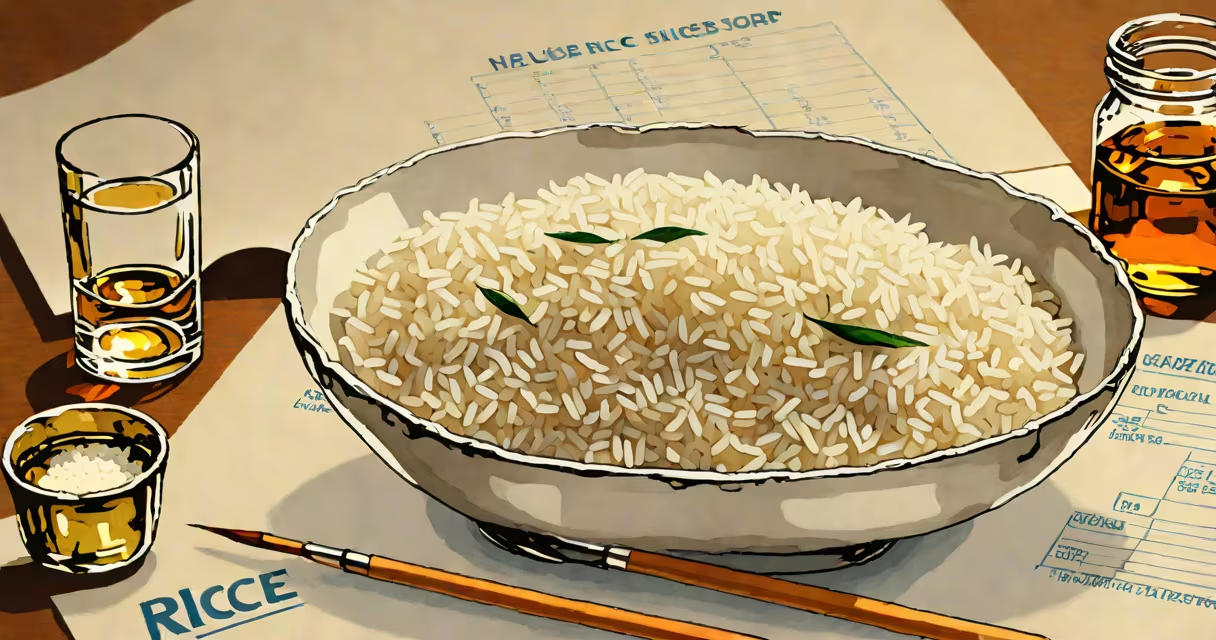
You cannot have rice before a colonoscopy. Medical guidelines require a clear liquid diet 24 hours prior to the procedure to ensure the colon is completely empty. Solid foods like rice introduce undigested particles that interfere with visualization during the exam.
Colonoscopies rely on a clean intestinal tract to detect polyps, inflammation, or early signs of colorectal cancer. Any residue from solid food-especially high-fiber items like rice-reduces diagnostic accuracy. The American Society for Gastrointestinal Endoscopy (ASGE) states that incomplete bowel preparation increases the risk of missing lesions by up to 20%.
Rice contains complex carbohydrates and fiber that take several hours to digest. Even white rice, which is lower in fiber than brown, still leaves residual material in the colon. This contradicts the goal of a clear liquid diet, which allows only liquids that pass through the digestive system without leaving solids behind.
Bowel preparation involves clearing the large intestine of all contents. This process typically begins 24 to 48 hours before the procedure. Patients are instructed to consume only clear liquids-water, broth, gelatin, clear juices without pulp-to allow the colon to empty completely.
Rice, whether white or brown, is a solid food. It contains starches and proteins that do not dissolve in water. These components remain in the gastrointestinal tract and can appear as debris during the colonoscopy. Even small amounts of rice can obscure the view of the colon lining, leading to missed abnormalities.
A 2021 study published in *Gastroenterology* found that patients who consumed any solid food within 24 hours of their colonoscopy had a 34% higher rate of inadequate bowel prep compared to those who strictly followed clear liquid instructions.
The standard diet protocol requires switching to clear liquids 24 hours before the procedure. This includes:
Items to avoid entirely include:
| Diet Item | Allowed Before Colonoscopy? | Reason |
|---|---|---|
| White rice | No | Leaves undigested particles; interferes with imaging |
| Chicken broth | Yes | Clear liquid; passes through without residue |
| Orange juice | No | Contains pulp and color; not clear |
| Apple juice | Yes | Clear, no pulp; acceptable if sugar-free |
| Steak | No | High-fat, solid protein; delays digestion and increases prep failure risk |
Even if you're not hungry, consuming only clear liquids ensures the colon is empty. A single bite of rice can compromise the entire exam's outcome. If you accidentally eat rice, contact your provider immediately. They may reschedule the procedure to avoid inaccurate results.
Many patients assume that "light" or "simple" foods like white rice are safe. This is incorrect. White rice is low in fiber but still solid. It does not dissolve and remains in the colon. The colonoscopy team cannot distinguish between normal tissue and undigested food fragments under the scope.
Another common error is drinking "clear" beverages that contain dyes. Red or purple gelatin, for example, appears opaque under the colonoscope and mimics blood or polyps. The ASGE recommends avoiding any colored liquids-even if they seem transparent.
A personal observation: during a training session at a GI clinic, I watched a video of a colonoscopy where a patient had eaten rice the night before. The camera showed dense clumps of undigested grain in the descending colon. The doctor paused the procedure to explain that the finding was likely false positive due to food residue. The patient had to reschedule.
Stick to the approved list of clear liquids. Drink at least 64 ounces of fluid in the 24 hours before your procedure. This prevents dehydration and supports effective bowel cleansing.
If you're struggling with hunger, try cold clear broth or flavored gelatin. Some providers allow small amounts of clear sports drinks like Gatorade (only the clear ones-avoid blue or purple).
After the procedure, resume eating slowly. Start with bland foods like bananas, toast, and plain yogurt. Avoid spicy, fatty, or fibrous meals until your doctor confirms recovery.
Following the clear liquid diet is not optional. Skipping it increases the chance of needing a repeat procedure, delaying cancer screening, and raising healthcare costs. Your health depends on a clean colon-and rice is not part of that plan.