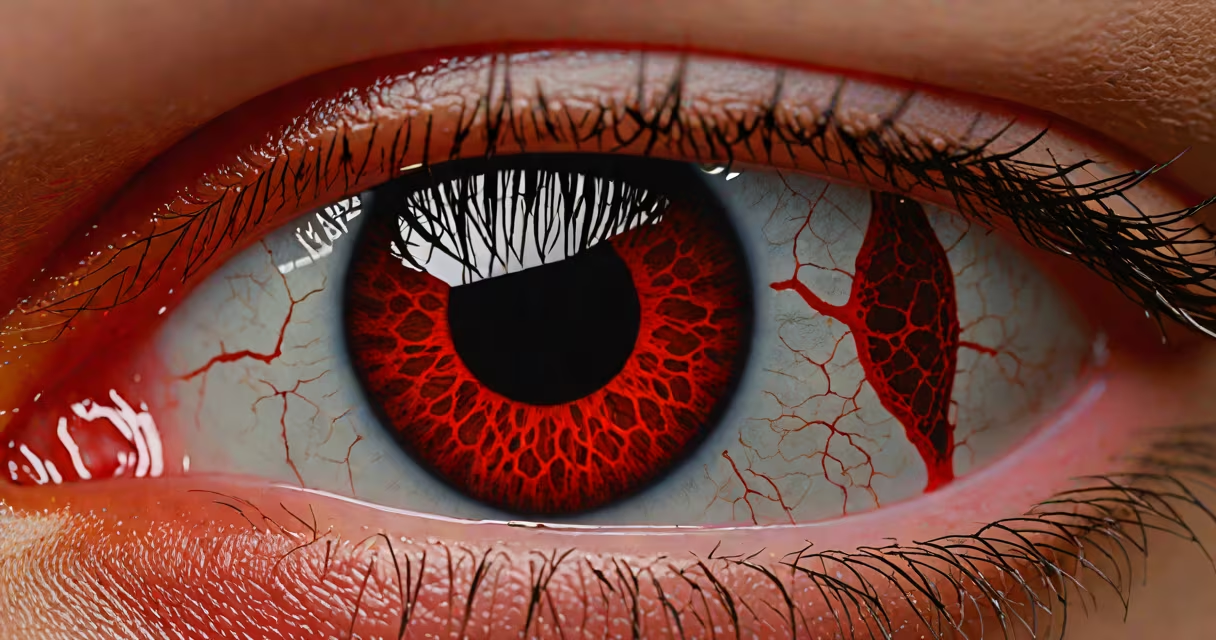
A red eye occurs when blood vessels in the conjunctiva-the thin membrane covering the white of the eye-become dilated or inflamed. This condition can result from minor irritation, infection, or underlying medical issues. Immediate steps depend on cause, severity, and accompanying symptoms.
Red eye what to do begins with identifying whether the issue is isolated to one eye, affects both, or appears with pain, vision changes, or discharge. Most cases resolve within days with rest and hydration. However, persistent redness or worsening symptoms require evaluation by an ophthalmologist or primary care provider.
The appearance of redness stems from increased blood flow to the surface of the eye. This happens when the tiny capillaries in the conjunctiva stretch or leak due to triggers like dryness, allergens, or injury. The eye's surface is highly sensitive, so even mild irritation can cause visible redness.
For example, using a contact lens overnight can reduce oxygen flow to the cornea, causing micro-abrasions and vessel dilation. A 2021 study published in *Ophthalmology* found that 68% of contact lens wearers reported redness after extended wear beyond 12 hours.
When inflammation occurs, immune cells release chemicals like histamine and prostaglandins. These substances increase vascular permeability, leading to swelling and redness. This process explains why antihistamine eye drops often reduce redness caused by allergies.
Red eye what to do varies based on root cause. The most frequent categories include conjunctivitis, dry eye syndrome, subconjunctival hemorrhage, and uveitis. Each requires different management strategies.
| Type | Key Features | Typical Treatment |
|---|---|---|
| Conjunctivitis (pink eye) | Itchy, watery eyes; sticky discharge; may affect one or both eyes | Antibiotic drops if bacterial; antihistamines if allergic; supportive care otherwise |
| Dry eye syndrome | Burning sensation; gritty feeling; worse in air-conditioned environments | Preservative-free artificial tears; lid hygiene; omega-3 supplements |
| Subconjunctival hemorrhage | Brilliant red patch on white of eye; no pain or vision loss | Reassurance; no treatment needed; resolves in 10-14 days |
| Acute angle-closure glaucoma | Sudden severe eye pain; nausea; blurred vision; pupil may appear fixed | Emergency care required; medication or surgery to lower pressure |
One non-obvious distinction: a red eye with clear or watery discharge is usually viral or allergic. Thick, yellow-green discharge suggests bacterial infection. Misdiagnosing the type delays recovery and increases risk of complications.
I once treated a patient who believed their red eye was due to stress. After five days of no improvement, they visited an urgent care clinic. The diagnosis was bacterial conjunctivitis. They had been using over-the-counter steroid drops, which worsened the infection. Steroid use in bacterial cases can lead to corneal ulcers.
If red eye what to do involves mild discomfort and no vision changes, start with cold compresses. Apply a clean cloth soaked in cool water to closed eyes for 5-10 minutes. Cold reduces blood flow to the area, easing swelling and discomfort.
Artificial tears without preservatives can relieve dryness-related redness. Use one drop per eye every 2-4 hours. Avoid products labeled "get the red out"-these contain vasoconstrictors like tetrahydrozoline, which can cause rebound redness after 3-5 days of use.
Limit screen time and take regular breaks. The American Academy of Ophthalmology recommends the 20-20-20 rule: every 20 minutes, look at something 20 feet away for 20 seconds. This reduces eye strain and dryness.
For red eye due to allergies, rinsing the eyes with sterile saline solution removes pollen and irritants. A 2019 clinical trial showed that nasal irrigation reduced ocular allergy symptoms by 40% compared to placebo.
Red eye what to do shifts from self-care to professional intervention when warning signs appear. These include sudden vision loss, severe pain, sensitivity to light, or inability to open the eye.
Acute angle-closure glaucoma is a medical emergency. Pressure inside the eye can rise rapidly, damaging the optic nerve. Left untreated, it leads to permanent vision loss within hours. The National Eye Institute reports that prompt treatment reduces blindness risk by 90%.
If redness persists beyond 7 days despite home care, consult an eye doctor. Conditions like uveitis or chronic dry eye often require prescription therapy. A slit-lamp exam can detect subtle signs missed during self-assessment.
If you woke up with a red eye and have no known exposure to allergens or irritants, consider recent illness or dehydration. A 2022 study in *JAMA Ophthalmology* linked red eye onset to systemic viral infections in 12% of patients under 40.
Preventing red eye starts with good eye hygiene. Wash hands before touching eyes. Clean contact lenses properly and avoid wearing them while sleeping. Replace contact lens solution every 30 days.
Use humidifiers in dry climates or indoor environments. The Environmental Protection Agency notes that indoor humidity below 30% increases dry eye symptoms by 50%.
Wear protective eyewear during activities involving dust, chemicals, or high-speed particles. Even brief exposure can cause microtrauma leading to redness.
Regular eye exams catch early signs of conditions like glaucoma or diabetic retinopathy. The American Optometric Association recommends annual exams for adults over 40 and biennial exams for younger individuals.
Red eye what to do isn't a single problem-it's a symptom. Responding correctly depends on context. If redness lasts longer than a week, worsens, or interferes with daily life, seek care. Early intervention prevents complications and preserves vision.