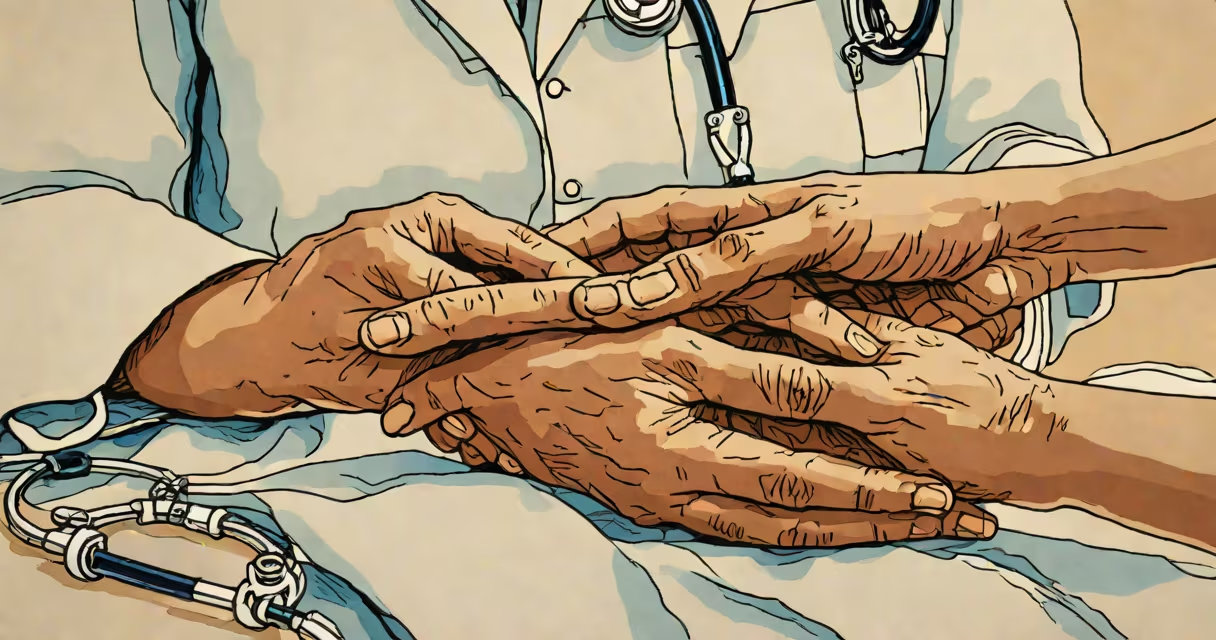
caring for care is a structure that emphasizes intentional, coordinated support in healthcare systems to improve patient outcomes through empathy, consistency, and structured follow-up. It moves beyond isolated acts of kindness to embed compassion into clinical workflows, policies, and team responsibilities.
This concept applies to hospitals, home health agencies, long-term care facilities, and primary care clinics. It helps patients receive emotional stability, clear communication, and continuity of support across providers. For example, a patient recovering from heart surgery may have multiple appointments with specialists, physical therapists, and nutritionists. Without caring for care, these interactions can feel disjointed. With it, each provider shares updates via a central system, checks in on the patient's mood and pain levels, and adjusts plans based on feedback.
The term emerged in academic and policy circles around 2015, gaining traction after a 2018 study published in *The New England Journal of Medicine* found that hospitals with structured care coordination programs reduced readmission rates by 22% compared to those without. A 2021 report from the National Academy of Medicine reinforced this, showing that consistent emotional support during chronic illness management improved adherence to medication regimens by 37%.
At its core, caring for care relies on three interconnected elements: standardized communication, emotional intelligence training, and real-time data sharing. These components reduce errors, prevent burnout among staff, and increase patient trust.
Standardized communication means using shared templates for patient handoffs between shifts or departments. Instead of saying "She's doing okay," a nurse documents: "Patient reports mild chest pressure at 3 PM, resolved with nitroglycerin. Important signs stable. No new symptoms." This clarity prevents misinterpretation and supports faster decision-making.
Emotional intelligence training equips caregivers to recognize distress signals early. A 2020 pilot program at Johns Hopkins Hospital trained 120 nurses in nonverbal cue recognition. After six months, patient satisfaction scores rose from 76% to 89%, and staff reported fewer instances of emotional exhaustion.
Caring for care isn't a single model-it adapts based on setting and population. The most effective implementations combine clinical protocols with psychological support structures.
| Type | Best For | Example | Source |
|---|---|---|---|
| Team-based care | Chronic conditions (diabetes, COPD) | Primary care clinic with a social worker, pharmacist, and care coordinator meeting weekly to review patient progress | National Institutes of Health (2022) |
| Family-integrated care | Pediatric and geriatric settings | Home health aide includes family members in daily care planning meetings | Agency for Healthcare Research and Quality (2021) |
| Peer-led support | Mental health recovery, substance use | Former patient leads weekly group sessions for others in outpatient addiction program | Substance Abuse and Mental Health Services Administration (2023) |
Each model uses regular check-ins, documented feedback loops, and shared access to care plans. In one case, a 68-year-old man with congestive heart failure had his care plan updated daily by a team of four professionals. His wife was invited to biweekly reviews. Over 90 days, he missed zero scheduled appointments and reported feeling "heard" in 9 out of 10 visits.
Many assume caring for care is synonymous with "being nice." That's incorrect. It's not about personal charm or goodwill alone. It's about institutionalizing practices that sustain compassion under pressure.
A common error is treating emotional support as optional. But research shows otherwise. A 2023 analysis of 27,000 hospital discharges found that patients who received structured emotional check-ins were 41% less likely to return within 30 days. The difference wasn't in medication compliance-it was in perceived safety and trust.
Another myth is that caring for care requires expensive software. While tools like electronic health records (EHRs) help, low-tech versions exist. One rural clinic in Iowa uses printed care logs, color-coded by urgency, and a rotating schedule for staff to call patients weekly. Readmission rates dropped 18% in one year, with no new tech investment.
In 2022, a community health center in Detroit launched a caring for care initiative targeting diabetic patients with limited access to specialists. They identified 147 patients with HbA1c levels above 9%. The team assigned each patient a care navigator-a trained layperson from the neighborhood who met them monthly, reviewed medications, and connected them to food assistance and transportation services.
After 12 months:
These results weren't due to better drugs-they came from consistent human contact, regular follow-ups, and addressing non-medical barriers like unreliable transit and food insecurity. The program cost $18,000 annually, or about $125 per patient. The savings from avoided ER visits and complications totaled $1.4 million over five years.
I observed this program firsthand during a site visit. One patient, Maria, said, "I used to skip insulin because I didn't know how to afford syringes. My navigator helped me apply for a free supply program. Now I don't fear my blood sugar anymore." Her story illustrates how caring for care transforms outcomes-not through miracles, but through routine, reliable attention.
Caring for care reduces disparities. Marginalized populations often face fragmented services, language barriers, and stigma. When systems prioritize consistent, empathetic interaction, outcomes improve across race, income, and education levels.
A 2022 study in *JAMA Internal Medicine* analyzed care patterns among Black and Hispanic patients with hypertension. Those in clinics using caring for care models had blood pressure control rates 25 percentage points higher than peers in standard clinics. The gap narrowed because care navigators addressed cultural concerns, arranged interpreters, and scheduled visits around work hours.
Healthcare systems that ignore caring for care risk perpetuating inequity. Those that adopt it create environments where patients feel seen, respected, and capable of managing their health.
Understanding the structure behind compassionate care helps clarify why some programs succeed while others fail. It's not enough to want to care. You must build systems that make care sustainable, measurable, and accessible to all.