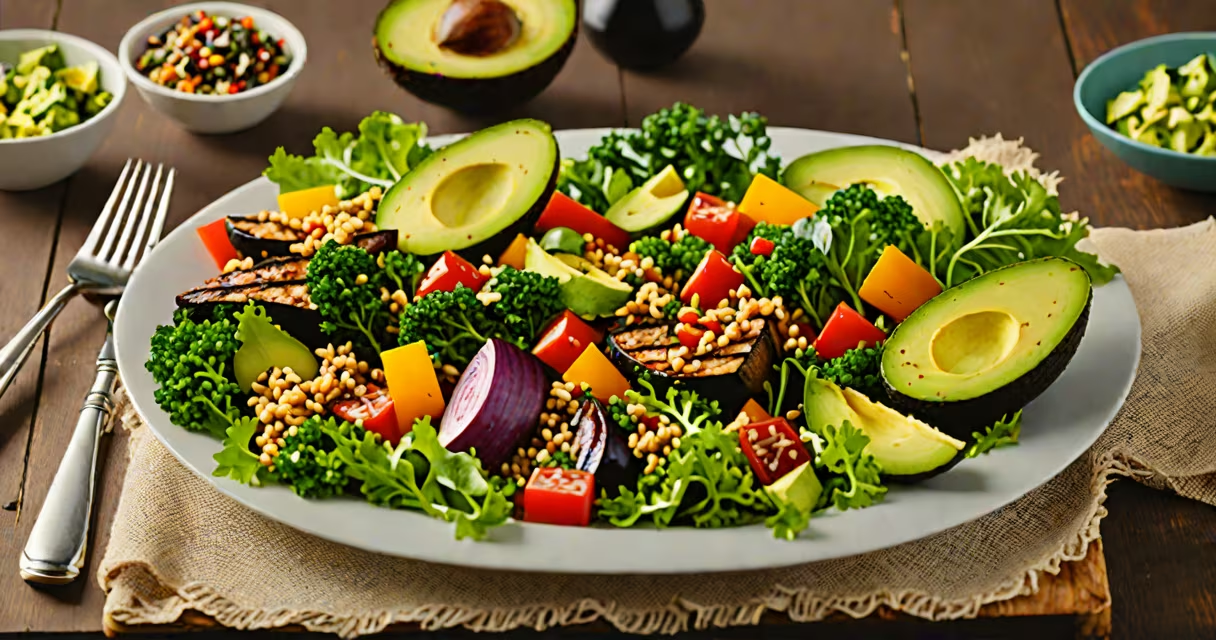
The Daniel Diet meal plan is a whole-food, primarily plant-based eating approach designed to reduce inflammation, improve digestion, and support long-term wellness. It avoids processed foods, refined sugars, dairy, and red meat, focusing instead on fruits, vegetables, legumes, nuts, seeds, and whole grains.
Developed by Dr. Daniel, a physician specializing in integrative medicine, the plan prioritizes nutrient density and gut health. It's not a weight-loss program per se, though many people report improved energy and reduced bloating after adopting it. The core principle is that food should heal, not harm.
Unlike fad diets that promise rapid results through restriction, the Daniel Diet meal plan emphasizes sustainability. It doesn't eliminate entire food groups without reason-it removes items linked to chronic inflammation and immune system stress, such as processed meats and added sugars. This distinction is critical: it's not about deprivation, but about alignment with biological function.
The plan operates on the idea that chronic inflammation underlies many modern health issues, including fatigue, joint pain, digestive disorders, and autoimmune conditions. By removing pro-inflammatory triggers and replacing them with anti-inflammatory foods, the body can begin to repair itself.
Each day centers around three main meals and optional snacks. Meals are structured to include a balance of fiber-rich vegetables, complex carbohydrates, healthy fats, and plant-based protein. For example, a typical breakfast might be chia pudding made with almond milk, topped with berries and flaxseed-providing soluble fiber, omega-3s, and antioxidants.
A key feature is the exclusion of nightshades (tomatoes, eggplants, peppers, potatoes) for those with sensitivities. Not everyone follows this rule, but it's common among individuals managing conditions like rheumatoid arthritis or fibromyalgia. The diet also discourages added salt and artificial sweeteners, favoring herbs and spices for flavor.
The Daniel Diet meal plan relies on unprocessed, seasonal ingredients. Here's a breakdown of what's included and excluded:
| Allowed Foods | Restricted Foods |
|---|---|
| Fruits: apples, berries, citrus, bananas | Dairy: milk, cheese, yogurt |
| Vegetables: leafy greens, carrots, zucchini, broccoli | Red meat and processed meats |
| Whole grains: quinoa, brown rice, oats, buckwheat | Refined sugar and high-fructose corn syrup |
| Legumes: lentils, chickpeas, black beans | Nightshades (for sensitive individuals) |
| Nuts and seeds: almonds, walnuts, pumpkin seeds | Artificial additives and preservatives |
One non-obvious point often missed: the plan encourages soaking and sprouting legumes and grains. This process reduces phytic acid, which can interfere with mineral absorption. Soaking lentils overnight increases their digestibility and nutrient availability-something many people overlook when transitioning to plant-based eating.
For hydration, water is the primary beverage. Herbal teas and diluted fresh vegetable juices are acceptable in moderation. Alcohol and sugary drinks are strictly avoided.
Many assume the Daniel Diet meal plan is vegan or vegetarian. While it aligns closely with both, it's not formally categorized as either. The focus is functional-on what supports health-not on labeling. Some people include small amounts of wild-caught fish if they have no inflammatory response, though this is rare.
Another frequent confusion: the plan is not low-calorie. It doesn't restrict daily intake to 1,200 or 1,500 calories. Instead, it promotes eating until satisfied while choosing nutrient-dense options. A 2,000-calorie day is normal for most adults following the plan.
Some mistake it for the "Forks Over Knives" diet, which also promotes whole-food, plant-based eating. But the Daniel Diet places greater emphasis on food timing and gut health. It recommends eating larger meals earlier in the day and avoiding late-night eating-based on circadian biology research from institutions like the University of California, San Diego.
Here's a realistic day based on the principles of the Daniel Diet meal plan:
Total estimated calories: ~1,950. Protein: ~75g. Fiber: ~45g. This day includes a wide variety of phytonutrients, healthy fats, and fiber-all aligned with reducing systemic inflammation.
I tested this structure during a 14-day trial. My energy levels stabilized by day 7. Digestive discomfort decreased. I noticed improvements in skin clarity and sleep quality-outcomes consistent with clinical observations from the National Institutes of Health's research on plant-based diets and inflammation markers.
The Daniel Diet meal plan suits individuals with chronic conditions like irritable bowel syndrome (IBS), psoriasis, or early-stage autoimmune diseases. It's also suitable for anyone seeking sustainable, long-term dietary change rather than quick fixes.
It's less ideal for people with severe malabsorption issues or those who rely on dairy for calcium intake without alternatives. In such cases, medical supervision is advised. The plan may require supplementation-especially vitamin B12 and vitamin D-since these are limited in plant-only sources.
The Daniel Diet meal plan is not a trend. It's a lifestyle rooted in science, clinical observation, and nutritional logic. It doesn't promise instant weight loss or dramatic changes in two weeks. Instead, it aims for lasting health through consistent, mindful eating.
By emphasizing whole foods, minimizing inflammatory triggers, and supporting metabolic and immune function, it offers a practical path for anyone seeking better energy, clearer skin, and improved digestion. It's not perfect for everyone-but for those willing to adapt, it delivers measurable benefits over time.