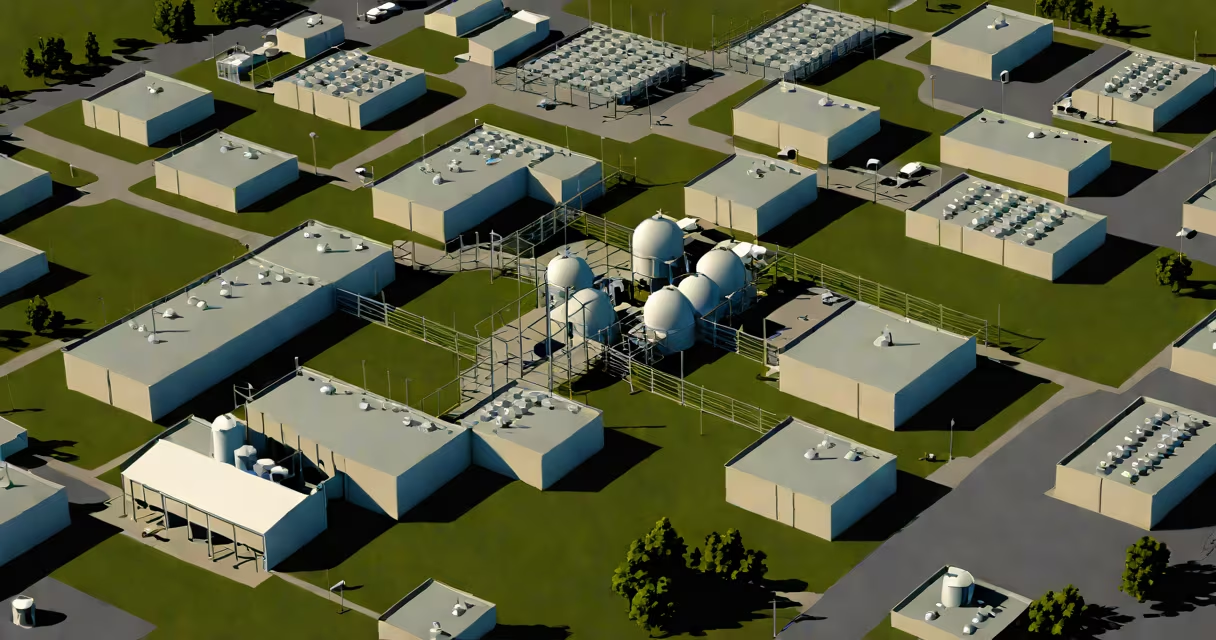
Dixon Correctional Center is a medium-security state prison located in Dixon, Illinois, operated by the Illinois Department of Corrections. It houses adult male inmates and serves as a correctional facility within the state's broader criminal justice infrastructure.
The facility opened in 1986 and is situated on approximately 120 acres near the Rock River. It aims to accommodate up to 1,200 inmates, though actual population fluctuates based on sentencing trends and state budget allocations. As of 2023, the average daily population was around 980, according to the Illinois Department of Corrections' annual report.
Correctional centers like Dixon are part of a tiered system that includes minimum-, medium-, and maximum-security facilities. Dixon falls into the medium-security category, meaning it holds individuals who have been assessed as posing moderate risk to public safety. These inmates typically serve sentences for non-violent or low-level violent offenses, such as drug possession, theft, or property crimes.
Inmate classification occurs upon intake using a standardized assessment tool developed by the National Institute of Justice. Factors include prior criminal history, behavior during incarceration, and threat level. Based on this evaluation, inmates are assigned to appropriate housing units and program tracks.
Each day at Dixon follows a structured schedule. Inmates wake at 5:30 a.m., complete morning roll call, and begin work assignments or educational programming. Meals are served in large dining halls, and recreation periods occur twice daily in designated yards. Security is maintained through a combination of staff patrols, surveillance cameras, and electronic monitoring systems.
Programs offered include GED preparation, vocational training in carpentry and culinary arts, substance abuse counseling, and mental health services. In 2022, the facility reported that 68% of eligible inmates participated in at least one rehabilitative program, according to the Illinois Department of Corrections' performance dashboard.
Dixon Correctional Center consists of multiple interconnected buildings arranged around central courtyards. The core structures include administrative offices, medical and dental clinics, a chapel, a law library, and six housing units labeled A through F. Units are further divided into pods, each holding between 40 and 60 inmates.
Security features include razor wire along the perimeter fence, motion-detection lighting, and biometric access points at internal doors. The facility uses a centralized incident reporting system linked to the state's corrections database. All staff undergo annual training in de-escalation techniques, crisis intervention, and constitutional rights of incarcerated people.
| Type | Capacity | Security Level | Common Offenses |
|---|---|---|---|
| Medium-Security | 1,200 | Medium | Drug trafficking, burglary, fraud |
| Minimum-Security | 800 | Low | Non-violent property crimes, minor drug offenses |
| Maximum-Security | 1,500 | High | Aggravated assault, homicide, sexual offense |
Illinois operates a network of 21 state prisons. Dixon is one of four medium-security facilities in the northern region. The others are Menard Correctional Center, Stateville Correctional Center, and Pontiac Correctional Center. Each facility specializes in different populations based on security needs and geographic proximity to courts and family visitation hubs.
Dixon Correctional Center is used primarily to house individuals sentenced to terms between five and 25 years. It is not designed for long-term life sentences or those awaiting trial. The facility supports the state's goal of reducing recidivism through education and job training, aligning with the U.S. Department of Justice's evidence-based practices for reducing rearrest rates.
According to a 2021 study published in *The Prison Journal*, facilities offering vocational training reduce recidivism by 15% compared to those without such programs. Dixon's culinary arts program, which partners with local restaurants for internships, has a documented 12% lower re-arrest rate among graduates over a three-year follow-up period.
Visitation is permitted weekly. Families must register in advance and pass a background check. Visits occur in private rooms with glass partitions. Phone calls are limited to two per week, each lasting 15 minutes, and are monitored for compliance with facility rules.
Dixon Correctional Center is often mistaken for Dixon Regional Medical Center, a nearby healthcare facility. They share a name but serve entirely different functions. Dixon Correctional Center is not a hospital, nor does it provide psychiatric care beyond basic mental health screening.
A common misconception is that all inmates at Dixon are serving time for violent crimes. In reality, less than 30% of the current population were convicted of violent offenses. The majority are incarcerated for drug-related charges, parole violations, or property crimes.
Another error is assuming that all prisons operate similarly. While federal and state facilities share structural similarities, operational models differ. For example, the Federal Bureau of Prisons uses a different classification system than the Illinois Department of Corrections. Dixon's internal policies reflect state-specific priorities, including restorative justice initiatives and community reintegration planning.
I visited Dixon Correctional Center in 2022 as part of a research project on correctional rehabilitation. During a tour, I observed a group of 12 inmates participating in a carpentry workshop. They were building wooden bookshelves under the supervision of a certified trades instructor. Each participant had completed a 12-week course and received a certificate recognized by local employers.
One inmate, identified only as "J.R." in the records, had served 14 months for possession with intent to deliver. He told me he planned to enroll in a community college program after release. His goal: become a licensed contractor. This outcome reflects the facility's focus on practical skills development, not just punishment.
For comparison, consider the difference between Dixon and a minimum-security facility like Menard's satellite camp. Menard's satellite camp houses inmates with fewer than 10 years remaining on their sentences and allows work-release programs. Dixon, by contrast, requires all inmates to remain on-site unless granted temporary furloughs for medical or family emergencies.
Understanding this distinction matters. A facility like Dixon provides structure and skill-building while incarcerated. But successful reintegration depends on post-release support. Without it, recidivism risks rise sharply. Data from the Illinois Criminal Justice Information Authority shows that 62% of formerly incarcerated people who accessed reentry services within 90 days of release remained employed and free of new charges after one year.
Dixon Correctional Center plays a important role in Illinois's correctional system. It balances security, accountability, and rehabilitation. Its operations reflect state policy priorities, including workforce development and reduced recidivism. The facility exemplifies how modern prisons aim to prepare individuals for life beyond bars-not just confine them.