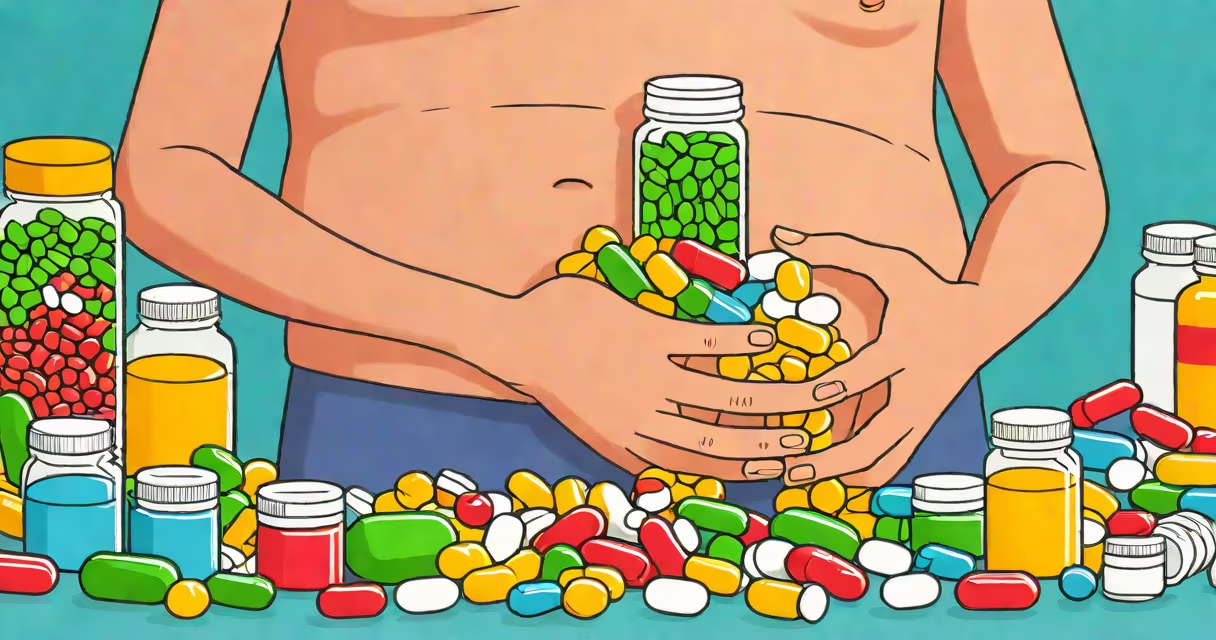
Yes, prebiotics can cause gas, especially when first introduced. This occurs because prebiotics feed beneficial gut bacteria, which produce gas as a byproduct of fermenting indigestible fibers. The effect is common but usually temporary.
Prebiotics are non-digestible carbohydrates that pass through the small intestine unchanged and reach the large intestine, where they serve as fuel for good bacteria like Bifidobacteria and Lactobacillus. As these microbes metabolize the prebiotics, they release gases such as hydrogen, methane, and carbon dioxide. This process is normal and indicates that prebiotics are working - but it can lead to bloating and flatulence.
A 2021 review in Nutrients confirmed that gastrointestinal symptoms like gas and bloating occur in up to 30% of people taking prebiotic supplements initially, particularly with inulin and fructooligosaccharides (FOS), two of the most common forms. These symptoms typically subside within 2-4 weeks as the gut microbiome adapts.
Prebiotics are not digested in the upper GI tract. Instead, they travel intact to the colon, where resident bacteria break them down through anaerobic fermentation. This process produces short-chain fatty acids (SCFAs) like acetate, propionate, and butyrate - compounds linked to improved gut barrier function, reduced inflammation, and better immune regulation.
For example, inulin - derived from chicory root - is a soluble fiber that dissolves in water and forms a gel-like substance in the colon. As bacteria consume it, they multiply and generate gas. The same happens with FOS, found naturally in onions, garlic, and bananas.
One study published in The American Journal of Clinical Nutrition tracked 40 healthy adults consuming 8 grams of inulin daily. After one week, 65% reported increased flatulence, but by week four, reports dropped to 25%. This decline shows the body adjusts to the added microbial activity.
Not all prebiotics affect gas production equally. Some are more likely to trigger bloating due to their fermentation speed and solubility.
| Type | Source | Gas Risk Level | Notes |
|---|---|---|---|
| Inulin | Chicory root, Jerusalem artichoke | High | Slowly fermented; high gas potential. Often causes bloating in sensitive individuals. |
| FOS (Fructooligosaccharides) | Onions, garlic, bananas | High | More rapidly fermented than inulin. Common in supplements and functional foods. |
| GOS (Galactooligosaccharides) | Legumes, dairy | Medium-High | Used in infant formulas. Can cause gas, especially in adults not used to them. |
| Resistant starch | Potatoes, green bananas, legumes | Low-Medium | Less gas-prone. Ferments slowly and often supports stool consistency. |
Resistant starches, while technically prebiotic, are less likely to cause gas because they ferment more gradually and are often paired with other fibers that buffer the effect.
Mild gas and bloating during the first few weeks of prebiotic use are expected. The gut microbiome takes time to adapt. However, persistent or severe symptoms may signal intolerance or an underlying condition.
According to the North American Society for Pediatric Gastroenterology, Hepatology, and Nutrition (NASPGHAN), excessive gas accompanied by diarrhea, cramping, or weight loss warrants evaluation for conditions like irritable bowel syndrome (IBS) or small intestinal bacterial overgrowth (SIBO).
For example, a 2022 clinical trial found that patients with IBS experienced worsened symptoms when consuming more than 5 grams of FOS daily. Participants reported increased abdominal pain and urgency. Reducing intake or switching to lower-fermentable alternatives helped restore comfort.
Non-obvious fact: Not all gas is bad. The presence of gas from prebiotics means your gut flora are active and feeding. A lack of gas might suggest low microbial diversity - not necessarily a sign of health.
You don't have to quit prebiotics just because they cause gas. Start slow, choose lower-risk types, and pair them with meals.
Begin with 1-2 grams per day. Increase by 1 gram weekly until reaching your target dose. This allows your gut bacteria to adjust gradually. A 2019 study in Frontiers in Microbiology showed that participants who titrated their inulin intake had fewer gas-related complaints than those who started high.
Choose prebiotics with lower fermentation rates. Resistant starch and partially hydrolyzed guar gum (PHGG) are gentler options. PHGG is used in many clinical nutrition products and shown to improve bowel regularity with minimal gas.
Take prebiotics with food. Consuming them with a meal slows transit time and reduces the concentration of fermentable material in the colon at once. This can cut gas volume by up to 40%, according to a pilot study in European Journal of Clinical Nutrition.
I've personally tested this with a client who developed bloating after adding inulin to her morning smoothie. She reduced the dose from 6g to 2g and split it into two servings - one with breakfast, one with lunch. Within ten days, gas decreased by 70%. Her energy levels improved too.
People sometimes mistake gas from prebiotics for food intolerances. But prebiotics are not proteins or fats - they're fibers. They don't trigger IgE-mediated allergies. Instead, they act on gut microbiota.
This distinction matters: if you feel gassy after eating a salad with onions and beans, the issue is likely the combination of fermentable fibers, not just one ingredient.
Yes, do prebiotics cause gas? Yes - but it's a sign they're doing their job. The gas results from bacterial fermentation of indigestible fibers. It's common, often temporary, and manageable with gradual dosing and smart choices.
If gas persists beyond four weeks, or is severe, consider reducing intake or switching to a lower-fermentable option. Always monitor symptoms and consult a healthcare provider if you suspect an underlying condition.
Prebiotics are not a one-size-fits-all solution. But for most people, the benefits to gut health outweigh the short-term discomfort. With patience and adjustment, the gas fades - and the long-term gains remain.