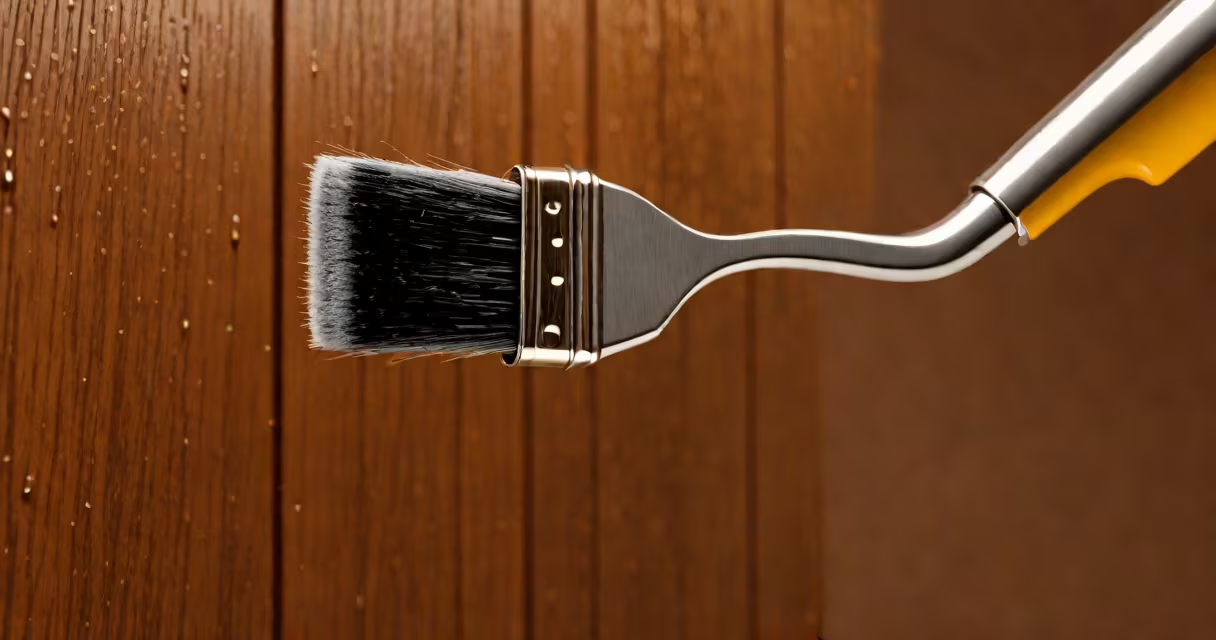
Paint stripper is a chemical solution designed to dissolve dried paint, enabling its removal without sanding. It's used to strip multiple layers of latex, oil-based, or enamel paint from wood, metal, masonry, and other surfaces during home renovation, furniture restoration, or industrial prep work.
These products rely on solvents such as methylene chloride, N-methyl-2-pyrrolidone (NMP), or citric acid derivatives to break down paint polymers. They're applied with a brush, roller, or cloth, left to dwell for 10-30 minutes, then scraped off with a putty knife or scraper. The process reveals the underlying surface, ready for repainting, staining, or refinishing.
For example, a homeowner removing peeling latex paint from a pine door uses a gel-type stripper containing NMP. After applying a thick coat and waiting 20 minutes, they scrape away the softened paint in sheets. The wood beneath is clean, free of residue, and ready for a fresh finish.
Paint strippers function by penetrating the paint film and breaking the molecular bonds between pigment particles and the binder. This weakens the paint's adhesion to the substrate, turning it into a slurry that lifts off easily.
The effectiveness depends on the solvent's polarity and boiling point. Methylene chloride, for instance, has high solvency for both oil-based and water-based paints and evaporates slowly, allowing longer dwell times. However, it requires strict ventilation due to toxicity.
Non-chlorinated alternatives like NMP or acetone-based formulas are less toxic but may require multiple applications on thick or aged coatings. Citrus-based strippers, while eco-friendly, struggle with multiple layers of epoxy or exterior-grade paint.
Paint strippers fall into three categories based on formulation and application method:
| Type | Solvent Base | Best For | Use Case Example |
|---|---|---|---|
| Gel | NMP, citric acid | Vertical surfaces, detailed work | Stripping ornamental wood trim on a porch |
| Liquid | Methylene chloride, acetone | Flat or horizontal surfaces | Removing paint from garage floor tiles |
| Peel-off | Acetone, ethyl acetate | Small areas, precision tasks | Restoring a vintage dresser drawer |
Gel strippers resist dripping on vertical surfaces. Liquid strippers spread quickly but require containment to prevent pooling. Peel-off varieties form a skin that peels off with the paint, minimizing residue.
A common mistake is using a liquid stripper on a wall without a drip tray. This causes solvent runoff, damaging adjacent surfaces. Gel strippers avoid this issue entirely.
Many assume paint strippers are interchangeable across materials. That's false. Using a methylene chloride-based product on aluminum can cause pitting and corrosion. On painted drywall, it risks dissolving the joint compound underneath.
Another myth: "natural" means safe. Citrus-based strippers are biodegradable and low-odor, but they still contain limonene, which can irritate lungs and skin. The EPA classifies limonene as a volatile organic compound (VOC) linked to respiratory effects in poorly ventilated spaces.
According to the National Institute for Occupational Safety and Health (NIOSH), methylene chloride exposure can lead to dizziness, headaches, and cardiac arrhythmias. The FDA warns against using it on skin or near eyes. Always wear nitrile gloves, goggles, and a respirator rated for organic vapors when handling chlorinated strippers.
Stripper isn't always the best tool. For thin, flaking paint on a wooden window frame, scraping with a plastic spatula may suffice. For heavy, multi-layered paint on a kitchen cabinet, stripping is faster than sanding.
Consider sanding only when the paint layer is under 1mm thick. Sanding removes material and can damage fine details. Stripping preserves the original substrate. For example, restoring a 1920s oak mantelpiece, stripping prevents gouging the carved edges.
For large-scale projects, heat guns offer a mechanical alternative. But they risk scorching wood or melting plastic trim. Heat guns also require constant monitoring and carry fire risk. Stripper is safer for delicate surfaces.
What is paint stripper? A chemical agent that dissolves paint layers through solvent action. It's essential for removing old finishes without damaging substrates. Choose the right type based on surface, paint thickness, and safety requirements.
Always test on a small area first. Follow label instructions precisely. Dispose of waste according to local hazardous material regulations. Never pour leftover stripper down the drain.
Understanding the differences between gel, liquid, and peel-off formulations ensures effective results and avoids damage. Proper protective gear and ventilation reduce health risks.