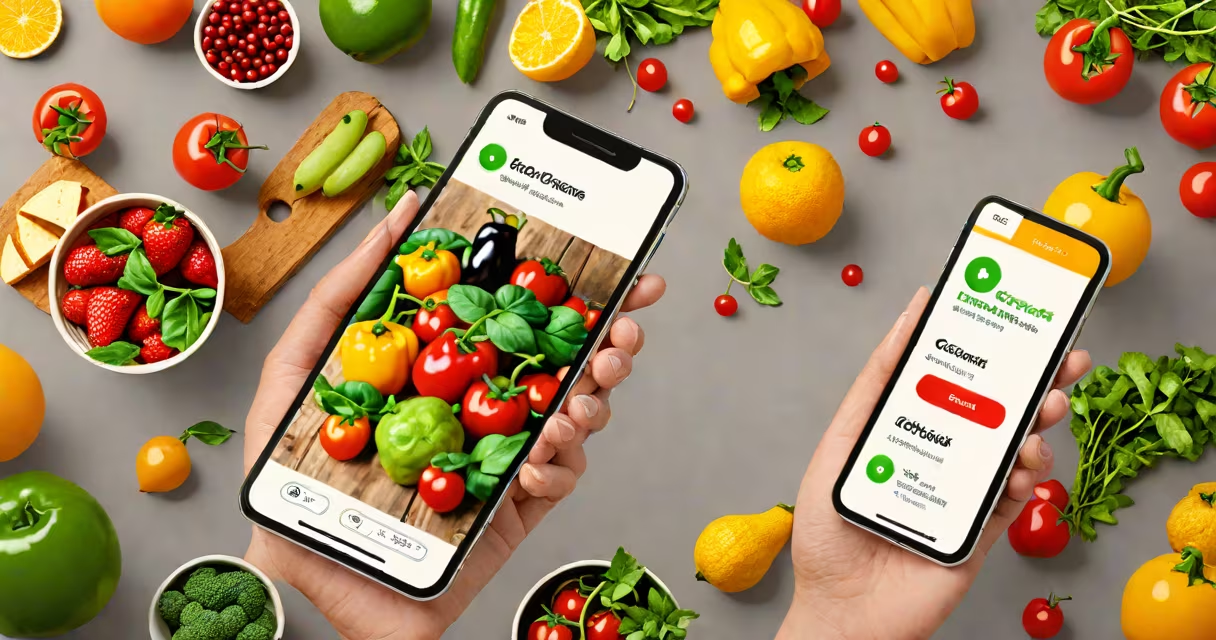
e commerce for food refers to the sale and delivery of groceries, prepared meals, and specialty food items through digital platforms. It includes online ordering via websites or apps, payment processing, and fulfillment through delivery networks or pickup points. This model connects consumers directly with retailers, farmers, or meal providers using internet-based transactions.
Food e commerce operates on a supply chain that begins with suppliers-growers, processors, or distributors-who list products on a platform. Buyers browse categories such as produce, dairy, frozen foods, or ready-to-eat meals. After selecting items, they proceed to checkout, pay electronically, and receive confirmation. Orders are then processed by warehouses or local stores, packed, and delivered within hours or days depending on service level.
Major players include Amazon Fresh, Instacart, Walmart Grocery, and DoorDash's DashMart. These services integrate real-time inventory tracking, changing pricing, and geolocation-based delivery zones. For example, Instacart partners with over 400 grocery chains across the U.S., enabling same-day delivery in 80% of urban markets. The average order value in U.S. food e commerce reached $62 in 2023, according to Statista.
At its core, e commerce for food relies on three interconnected systems: product cataloging, transaction handling, and logistics execution. Product data must be accurate-items are tagged with category, weight, allergens, origin, and shelf life. Retailers use centralized databases to sync updates across devices in real time.
Payments occur through encrypted gateways like Stripe or PayPal. All major credit cards, digital wallets (Apple Pay, Google Pay), and bank transfers are supported. Transaction logs are stored for audit and fraud detection. According to the Federal Trade Commission, 94% of U.S. online food purchases used secure SSL encryption in 2022.
Delivery is managed via route optimization software. A single warehouse may serve 500 orders per hour during peak times. Algorithms assign drivers based on proximity, traffic, and delivery window preferences. Some platforms offer scheduled slots-like "10 a.m.-12 p.m."-to reduce delays and improve customer satisfaction.
There are four primary models for e commerce for food:
| Model | Description | Examples | Key Feature |
|---|---|---|---|
| Direct-to-consumer (DTC) | Producers sell directly to buyers via their own site or app. | Local Harvest, Imperfect Foods | Focus on sustainability and reduced packaging. |
| Marketplace | Third-party vendors list products on a central platform. | Amazon Fresh, Walmart.com | Wide selection, competitive pricing. |
| Subscription box | Recurring deliveries of curated food items. | Blue Apron, HelloFresh | Meal kits with recipes and ingredients. |
| On-demand delivery | Real-time order fulfillment by independent couriers. | DoorDash, Uber Eats | Fast delivery (15-45 minutes), higher fees. |
DTC platforms often emphasize traceability. Imperfect Foods, for instance, tracks each item from farm to door and displays harvest dates and farm locations on its app. This transparency builds trust and reduces food waste-its 2023 report showed 28% less spoilage compared to traditional grocery channels.
Many assume all food e commerce is the same. In reality, delivery speed, temperature control, and ingredient sourcing vary widely. A cold chain failure can cause spoilage-even if the order arrives on time. The FDA reports that 15% of temperature-sensitive food deliveries fail quality checks due to improper refrigeration during transit.
Another misconception is that online food shopping is always cheaper. While bulk discounts exist, convenience fees and premium delivery charges can increase costs by 20-30%. A 2023 study by the University of California, Davis, found that users who ordered weekly groceries online paid 12% more on average than those who shopped in-store, primarily due to service surcharges.
Consider a user in Austin, Texas, ordering a dinner kit via HelloFresh on a Tuesday evening. They select a "Mediterranean Chicken Bowl" plan. The app shows ingredients: chicken breast (180g), quinoa, cherry tomatoes, cucumber, feta, and olive oil. All items are sourced from regional farms and arrive chilled in recyclable packaging.
After confirming the $14.99 price (including $3.99 delivery fee), the system checks inventory. The kitchen in Dallas processes the order within 20 minutes. A driver picks up the package at 6:15 p.m. and delivers it to the customer's door by 6:50 p.m. The customer receives a notification with a photo of the delivered box and a QR code to verify freshness.
This entire process takes under 40 minutes. The system logs the delivery time, temperature data, and customer feedback. If the customer rates the meal 4 stars, the algorithm adjusts future recommendations. Data from HelloFresh's 2023 annual report shows 91% of customers completed their first order cycle, indicating high retention.
Food safety is critical in e commerce. Per USDA guidelines, perishable items must remain below 40°F (4°C) from pickup to delivery. Platforms use temperature sensors in delivery bags and require drivers to complete training on cold chain protocols. Failure to comply results in account suspension.
To reduce risk, users should inspect packages upon arrival. If the box feels warm or contains liquid leaks, reject the delivery. Always store perishables immediately. The FDA recommends washing hands before handling food and using separate cutting boards for raw meats and vegetables.
AI-driven personalization is expanding. Platforms now suggest meals based on past orders, dietary restrictions, and seasonal availability. For example, if a user consistently avoids gluten, the app filters out wheat-based products automatically.
Blockchain is being piloted for provenance tracking. In 2023, Whole Foods partnered with IBM to test blockchain records for organic strawberries. Each batch was assigned a unique ID visible to customers via QR code. This reduced recall response time from 72 hours to under 10 minutes.
As adoption grows, regulations are tightening. The FTC updated its guidelines in 2024 requiring all food e commerce sites to disclose delivery timelines, return policies, and ingredient sourcing on product pages. Violations carry fines up to $1 million per incident.
e commerce for food is reshaping how people access food. It combines digital infrastructure with physical logistics to deliver convenience, choice, and traceability. Understanding the models, limitations, and safety practices ensures better decisions and fewer surprises.