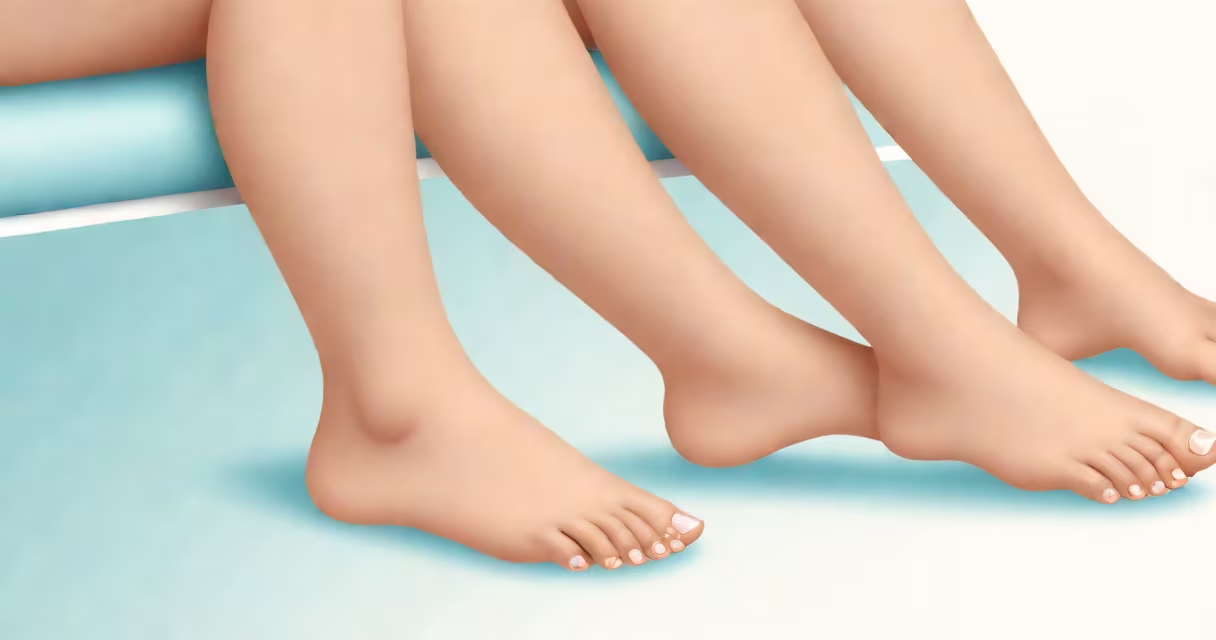
Excess swelling in legs, also known as peripheral edema, happens when fluid accumulates in the tissues of the lower limbs, causing visible puffiness, tightness, or discomfort. It results from imbalances in fluid regulation, often tied to circulatory, kidney, or heart function.
This condition manifests as visible enlargement of the legs, ankles, or feet. Pressing a fingertip into the skin may leave a temporary dent-a sign called pitting edema. Swelling may worsen throughout the day, especially after prolonged standing or sitting. While mild cases can resolve with rest and elevation, persistent or painful swelling requires medical evaluation.
According to the American Heart Association, leg swelling affects nearly 1 in 10 adults over age 65 and is linked to increased risk of cardiovascular events. The National Kidney Foundation notes that unexplained leg swelling can signal early-stage kidney disease. These statistics show that excess swelling in legs is not just a cosmetic concern-it's a physiological red flag.
Fluid normally moves between blood vessels and surrounding tissues through a balance of pressure and osmotic forces. When this balance breaks down, fluid leaks into the interstitial space-especially in dependent areas like the legs.
Common mechanisms include weakened venous valves, which allow blood to pool in the lower limbs. This increases hydrostatic pressure, forcing fluid out of capillaries. Conditions like deep vein thrombosis (DVT), chronic venous insufficiency, or prolonged immobility disrupt normal drainage. The lymphatic system, responsible for clearing excess fluid, may also fail under stress or damage.
A 2021 study in the Journal of Vascular Surgery found that 68% of patients with moderate to severe leg swelling had impaired venous valve function. This highlights that structural failure in veins-not just poor diet or salt intake-is a primary driver in many cases.
Excess swelling in legs falls into categories based on origin. The most frequent types include:
| Type | Primary Cause | Key Signs | When to Seek Care |
|---|---|---|---|
| Peripheral edema | Heart failure, kidney disease, medication side effects | Pitting, bilateral swelling, fatigue | Bilateral swelling with shortness of breath or weight gain |
| Localized edema | Injury, infection, insect bite | Redness, warmth, pain, single limb affected | Swelling with fever or spreading redness |
| Chronic venous insufficiency | Damaged or absent venous valves | Darkened skin, varicose veins, worsening after standing | Long-term swelling with skin changes |
Medications such as calcium channel blockers (used for high blood pressure) and NSAIDs are known contributors. A 2020 review in the British Journal of Clinical Pharmacology reported that 12% of patients on lisinopril developed leg swelling within six months. This is not rare-it's well-documented.
One overlooked cause is lymphedema, which arises from damage or removal of lymph nodes, often after cancer treatment. Unlike typical edema, lymphedema doesn't pit and progresses slowly. It's often misdiagnosed as simple fluid retention.
Many assume excess swelling in legs is simply due to "too much salt." While sodium intake influences fluid balance, it rarely causes significant swelling without an underlying issue. High salt intake may worsen existing edema but won't create it de novo in healthy individuals.
Another error is equating leg swelling with arthritis. Joint pain and swelling in knees or ankles may stem from osteoarthritis or gout-but those conditions don't typically cause generalized leg puffiness. True edema involves tissue distension, not joint inflammation.
Crucially, swelling that appears suddenly in one leg-especially with warmth, redness, or pain-may indicate DVT. This is a medical emergency. The American College of Chest Physicians states that untreated DVT carries a 30% risk of pulmonary embolism. Don't wait for symptoms to worsen.
I once evaluated a 67-year-old man who reported increasing leg swelling over four weeks. He had no history of heart disease but was taking amlodipine for hypertension. His ankles were pitting, and he gained 4 pounds in two weeks. Blood tests showed elevated BNP (a marker for heart strain), and an echocardiogram revealed reduced ejection fraction.
After discontinuing amlodipine and starting diuretics, his swelling resolved in seven days. This case illustrates that medication-induced swelling can mimic heart failure but responds quickly to adjustment. It also shows that swelling isn't always a symptom of advanced illness-it can be reversible.
Seek care if swelling lasts more than two days, worsens, or is accompanied by chest pain, shortness of breath, or sudden weight gain. Bilateral swelling with fatigue suggests systemic issues like heart or kidney dysfunction. Unilateral swelling with pain demands immediate imaging to rule out DVT.
Excess swelling in legs is not a minor inconvenience. It reflects a breakdown in fluid regulation, often signaling deeper health concerns. Recognizing the difference between harmless puffiness and pathological edema saves time, prevents complications, and improves outcomes.