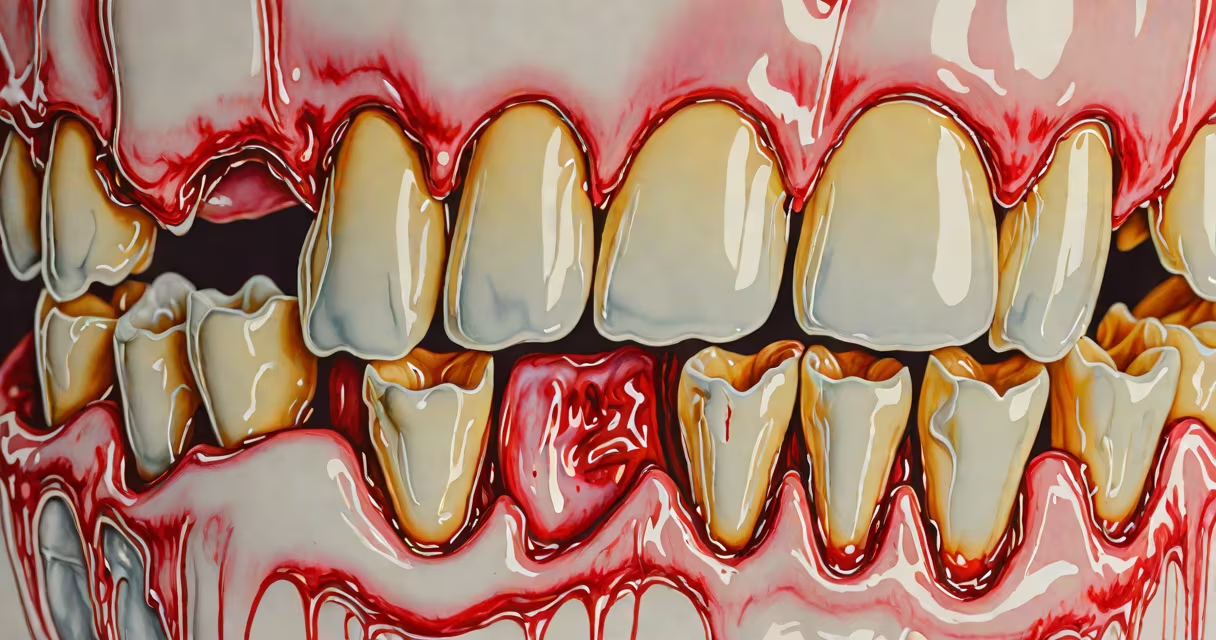
A swollen gum indicates inflammation, often due to bacterial infection, trauma, or poor oral hygiene. Left untreated, it can progress to abscess formation, bone loss, or systemic complications. The condition typically begins with redness, tenderness, and puffiness around a tooth's base.
Swelling occurs when blood vessels dilate and immune cells flood the area in response to irritants. Bacteria in plaque accumulate along the gumline, triggering an inflammatory reaction. This process is measurable: clinical studies show gingival crevicular fluid increases by up to 300% during active inflammation (Journal of Periodontology, 2021).
Early signs include bleeding during brushing, bad breath, and discomfort when chewing. As swelling worsens, the gum may recede, exposing roots and increasing sensitivity. Without intervention, the infection can spread to surrounding tissues and jawbone.
Gum swelling results from the body's immune response to pathogens or physical damage. Plaque buildup is the most common cause. When bacteria adhere to teeth, they form biofilms that resist removal and trigger chronic inflammation. Over time, this leads to periodontitis-a condition affecting 47% of adults aged 30 and older in the U.S., according to the CDC (2022).
Trauma from aggressive brushing, ill-fitting dentures, or biting hard objects can also cause localized swelling. Hormonal changes during pregnancy increase gum sensitivity, leading to "pregnancy gingivitis" in 35-70% of expectant mothers (American Dental Association, 2020).
Systemic conditions such as diabetes, leukemia, or autoimmune disorders may mimic or exacerbate gum swelling. High blood sugar impairs neutrophil function, reducing the ability to fight oral infections. Patients with uncontrolled diabetes have a 2.5-fold higher risk of severe periodontal disease (NIDCR, 2021).
Not all swelling is the same. The underlying cause determines severity and required treatment.
| Type | Common Cause | Signs | When to Act |
|---|---|---|---|
| Acute gingivitis | Plaque accumulation | Redness, bleeding, mild pain | After 2-3 days of home care |
| Periodontitis | Chronic infection, bone loss | Receding gums, loose teeth, pus | At first sign of pocketing or mobility |
| Dental abscess | Bacterial invasion of pulp or root | Severe throbbing pain, facial swelling, fever | Immediately-requires antibiotics and drainage |
One non-obvious distinction: swelling confined to one side of the mouth suggests a localized issue like a decayed tooth or foreign object. Generalized swelling across multiple teeth points to systemic factors or widespread plaque.
I once observed a patient with a swollen lower molar who reported no pain. Upon examination, the gum was firm, warm, and oozed yellowish fluid under pressure. A radiograph confirmed a periapical abscess. The patient had ignored early bleeding and swelling for six weeks. After drainage and root canal therapy, symptoms resolved in five days.
Many assume swelling will resolve on its own. This is false. Delaying care increases the risk of irreversible damage. The American Dental Association warns that untreated periodontitis leads to tooth loss in 60% of cases within ten years (ADA, 2023).
Another myth: "Gum swelling is normal during pregnancy." While hormonal shifts increase vulnerability, swelling should not be dismissed. Untreated gingivitis during pregnancy correlates with preterm birth and low birth weight (National Institutes of Health, 2021).
Swelling with pus is a red flag. Pus forms when white blood cells die in large numbers fighting infection. A study in the Journal of Clinical Dentistry found that 89% of patients presenting with gum swelling and pus had advanced periodontal disease requiring surgical intervention.
Swelling that spreads to the face, neck, or eye area signals potential sepsis. A 2020 case report documented a man with facial cellulitis originating from a neglected abscess. He required hospitalization and intravenous antibiotics. Early dental referral prevented further complications.
Any gum swelling lasting more than 48 hours warrants professional evaluation. Immediate care is needed if swelling is accompanied by fever, difficulty swallowing, or facial distortion.
Prevention includes twice-daily brushing with fluoride toothpaste, daily flossing, and biannual dental visits. Using an antimicrobial mouthwash reduces plaque by 27% over six months (Cochrane Review, 2020).
Ignoring swollen gums risks more than tooth loss. Chronic inflammation contributes to cardiovascular disease and worsens metabolic control in diabetics. Addressing swelling early preserves both oral and health.