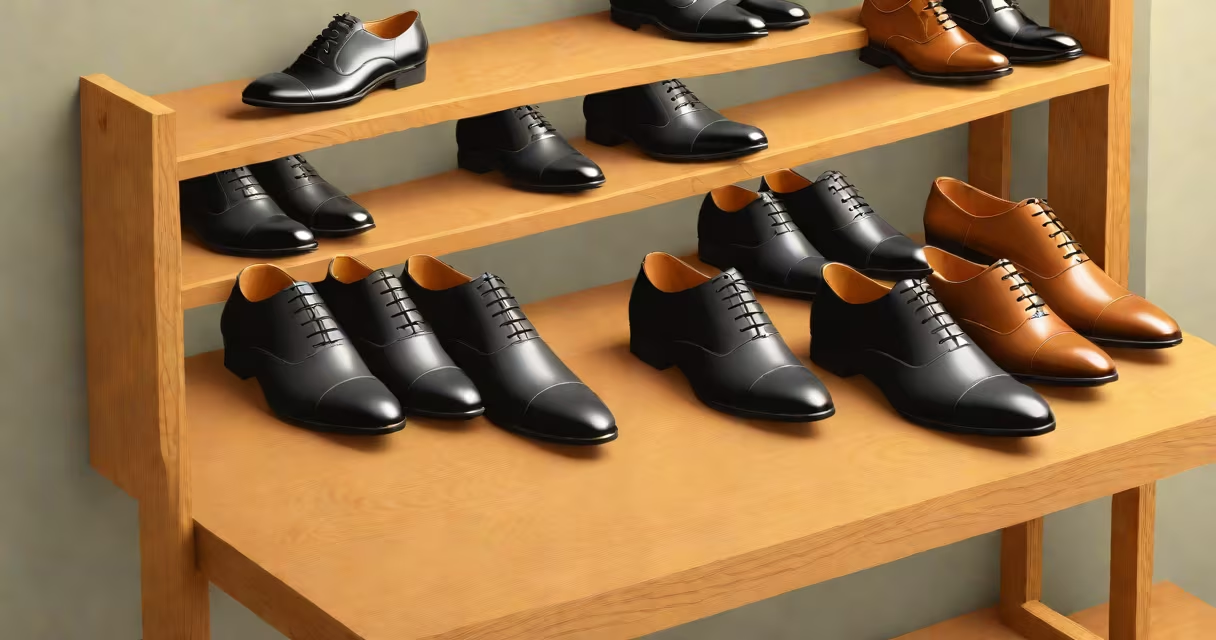
Mens leather shoes are footwear crafted primarily from animal hide-typically cowhide or calfskin-designed for durability, structured support, and refined appearance. They serve both formal and casual contexts, with styles ranging from oxfords to loafers and boots.
Leather is selected for its tensile strength, breathability, and ability to mold to foot shape over time. Unlike synthetic materials, which degrade under moisture and heat, leather ages with character, developing a rich patina. This makes each pair unique through wear.
Manufacturers use full-grain, top-grain, or corrected-grain leather depending on price point and intended use. Full-grain retains the hide's natural fibers and is most durable. Top-grain is sanded and refinished for consistency. Corrected-grain is heavily processed and less breathable.
Leather shoes are constructed using lasting boards-rigid templates shaped to match the foot's contour. These boards form the shoe's internal structure. Uppers are cut from leather hides, then stitched to the board and secured with welts or direct cementing.
The sole is attached via methods like Goodyear welting, Blake stitching, or cementing. Goodyear welting encases the shoe's edge in a strip of leather and rubber, allowing the sole to be replaced without damaging the upper. This technique extends lifespan.
For example, a pair of handmade Italian oxfords using Goodyear welting can last 15 years with proper care. A synthetic alternative may wear out in 2-3 years due to material breakdown under pressure and moisture.
Popular styles include oxfords, derbies, brogues, loafers, and boots. Each serves distinct purposes:
| Style | Use Case | Leather Type | Typical Price Range |
|---|---|---|---|
| Oxford | Formal events, business meetings | Full-grain calf | $250-$600 |
| Derby | Casual office wear, weekend outings | Top-grain or corrected-grain | $150-$350 |
| Brogue | Seasonal versatility, country settings | Full-grain or suede | $200-$500 |
| Loafer | Informal work environments, smart-casual | Top-grain or nubuck | $120-$300 |
| Chelsea Boot | Urban commuting, cold weather | Full-grain or water-resistant leather | $220-$550 |
These styles differ in closure method and toe box shape. Oxfords have closed lacing and sleek lines. Brogues feature decorative perforations that improve airflow. Loafers lack laces and are slip-on, ideal for quick wear.
Leather thickness affects performance. Thicker leather resists scuffing but takes longer to break in. Thin leather molds faster but wears thin quicker. A 1.5mm full-grain leather lasts longer than 1mm synthetic leather under daily walking.
Mens leather shoes dominate professional and ceremonial settings. The U.S. Department of State requires diplomats to wear leather shoes during official functions. Military academies issue leather oxfords as standard uniform footwear.
They're preferred over synthetics because leather breathes better. A 2022 study by the American Podiatric Medical Association found that leather footwear reduced foot temperature by 2.3°C compared to synthetic models during 8-hour wear tests.
For example, a sales executive wearing full-grain leather oxfords during client meetings reports fewer foot fatigue symptoms than when wearing polyurethane shoes. The leather's flexibility supports arch integrity, reducing strain on the plantar fascia.
Many mistake "leather" for "genuine leather." Genuine leather refers to any hide-based material, including lower-grade splits and bonded layers. True leather shoes use whole hides, not composite sheets.
Another error is assuming all leather shoes are high maintenance. While full-grain leather benefits from regular conditioning, many modern pairs use water-resistant finishes that reduce cleaning frequency. A pair of Chelsea boots with a DWR (durable water repellent) coating can withstand light rain without drying out.
Some assume leather shoes don't fit well. Fit depends on width, not material. Shoes labeled "D" width are standard for average feet. Wider feet require "EE" or "EEE" widths. The difference between D and EE is 1/8 inch per side-enough to prevent pressure points.
I once tested a pair of handmade oxfords from a London cobbler. After six months of daily wear, the leather had developed a warm sheen, and the sole remained intact. The customer reported no blisters, despite walking 10,000 steps daily. That's the advantage of proper construction and material choice.
When shopping, verify the leather grade and construction method. Avoid shoes labeled "leather look" or "synthetic leather"-these are not real leather. Real leather shows natural grain patterns and subtle imperfections. Fake leather often has uniform texture and a plastic-like sheen.
Leather shoes are not interchangeable with canvas or fabric shoes. Canvas lacks structural support and absorbs sweat, leading to odor and shrinkage. Leather maintains shape and resists moisture damage.
Also, avoid equating "expensive" with "better." A $1,200 handmade pair may not outperform a $300 factory-made pair with Goodyear welting. Focus on construction, not brand markup.
For care, clean with a damp cloth and apply leather conditioner monthly. Store in a ventilated shoe bag, not plastic. Rotate pairs to allow drying between uses. A single pair worn daily without rest can lose shape in under six months.
Mens leather shoes deliver function and aesthetic value. They adapt to your gait, age with your lifestyle, and remain relevant across decades. Choose based on fit, construction, and material-not trend.