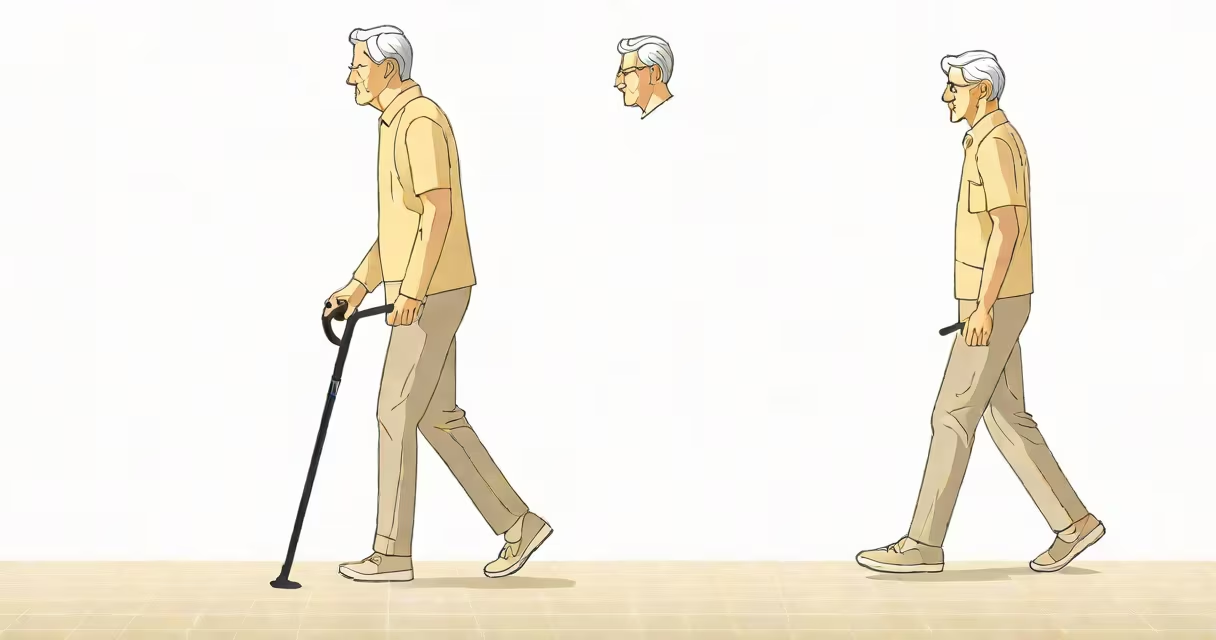
Intermittent claudication ICD-10 refers to the standardized medical code used to document leg pain caused by reduced blood flow during physical activity, typically due to peripheral artery disease (PAD). The primary code is I70.2, which specifies atherosclerotic narrowing of the lower extremity arteries. This code captures the underlying vascular pathology, not just the symptom.
Intermittent claudication presents as cramping, tightness, or fatigue in the calf muscles that occurs predictably during walking and resolves within minutes of rest. It results from insufficient oxygen delivery to working muscle tissue due to narrowed or blocked arteries. The condition is not a standalone diagnosis but a clinical sign pointing to arterial insufficiency. Accurate ICD-10 coding ensures proper documentation for treatment planning, insurance billing, and population health tracking.
The American Heart Association identifies intermittent claudication as a marker of systemic atherosclerosis, increasing risk for heart attack and stroke. A 2021 study in Circulation found that patients with claudication have a 30% higher 5-year mortality rate compared to matched controls without PAD. Correct coding enables early intervention and risk stratification.
ICD-10 codes are structured hierarchically. For intermittent claudication, the base code is I70.2 - atherosclerotic occlusion of the lower limb arteries. This code applies when imaging confirms stenosis or occlusion in the iliac, femoral, or popliteal arteries. It is not used for claudication caused by spinal stenosis, nerve compression, or musculoskeletal issues.
When a patient reports leg pain that begins after walking 200 meters and resolves with 5 minutes of rest, and Doppler ultrasound shows a ankle-brachial index (ABI) below 0.9, I70.2 is appropriate. The code includes the anatomical site and etiology. If multiple vessels are involved, additional codes may be added, such as I70.1 for aortic involvement or I70.3 for bilateral disease.
For example, a 68-year-old male with a history of smoking and diabetes presents with calf pain after walking 150 meters. ABI is 0.78. Ultrasound reveals 70% stenosis in the left superficial femoral artery. The correct ICD-10 code is I70.2. Adding a secondary code for diabetes (E11.69) provides full clinical context.
Intermittent claudication is often mistaken for musculoskeletal pain, sciatica, or spinal stenosis. A 2020 review in JAMA Internal Medicine found that 40% of patients with PAD were initially misdiagnosed with back pain or arthritis. This delays treatment and increases amputation risk.
Table: ICD-10 Codes for Leg Pain Conditions
| Condition | ICD-10 Code | Key Differentiator |
|---|---|---|
| Intermittent claudication (PAD) | I70.2 | Pain with walking, relief with rest, absent pulses, low ABI |
| Spinal stenosis | M53.02 | Pain with standing, relieved by sitting; neurological deficits common |
| Sciatica | M54.16 | Lumbar radicular pain radiating down leg; positive straight leg raise |
| Deep vein thrombosis | I82.411 | Swelling, warmth, redness; positive D-dimer or ultrasound |
One non-obvious distinction: intermittent claudication pain is typically bilateral and symmetric, while neurogenic claudication from spinal stenosis is often unilateral or asymmetric. Patients with PAD report pain in the calves, whereas those with spinal stenosis describe buttock or thigh pain that worsens with lumbar extension.
Using I70.2 correctly ensures eligibility for guideline-directed therapies. The U.S. Preventive Services Task Force recommends screening for PAD in adults aged 65+ with a history of smoking or diabetes. Correct coding triggers automated alerts for risk factor management and exercise referral programs.
During a clinic visit, I documented a 72-year-old woman with intermittent claudication who had been coded as M79.6 (generalized myalgia) for two years. After reviewing her ABI and history, we updated the code to I70.2. She was referred to a vascular specialist and began supervised exercise therapy. Her walking distance improved from 100 to 450 meters in six weeks.
Incorrect coding leads to underreporting of PAD prevalence. The CDC estimates 8.5 million Americans have PAD, but only 30% receive a formal diagnosis. Misclassification as "leg pain" or "back pain" obscures the true burden of disease and limits public health interventions.
When coding intermittent claudication, consider associated conditions. Diabetes mellitus (E11.69) and hypertension (I10) frequently coexist and influence treatment. Chronic kidney disease (N18.9) affects medication choices and surgical risk assessment.
Understanding the difference between I70.2 and other codes prevents errors. For instance, I70.2 specifically denotes atherosclerotic narrowing. It does not apply to embolic events (I74.9), vasculitis (M31.0), or Buerger's disease (I70.8). Each code reflects a distinct etiology requiring different management.
Intermittent claudication ICD-10 coding is not a formality-it is a clinical tool that shapes patient outcomes. Using I70.2 accurately identifies patients at high risk for cardiovascular events and enables timely intervention. Proper documentation supports research, quality reporting, and policy development focused on reducing PAD-related disability and death.