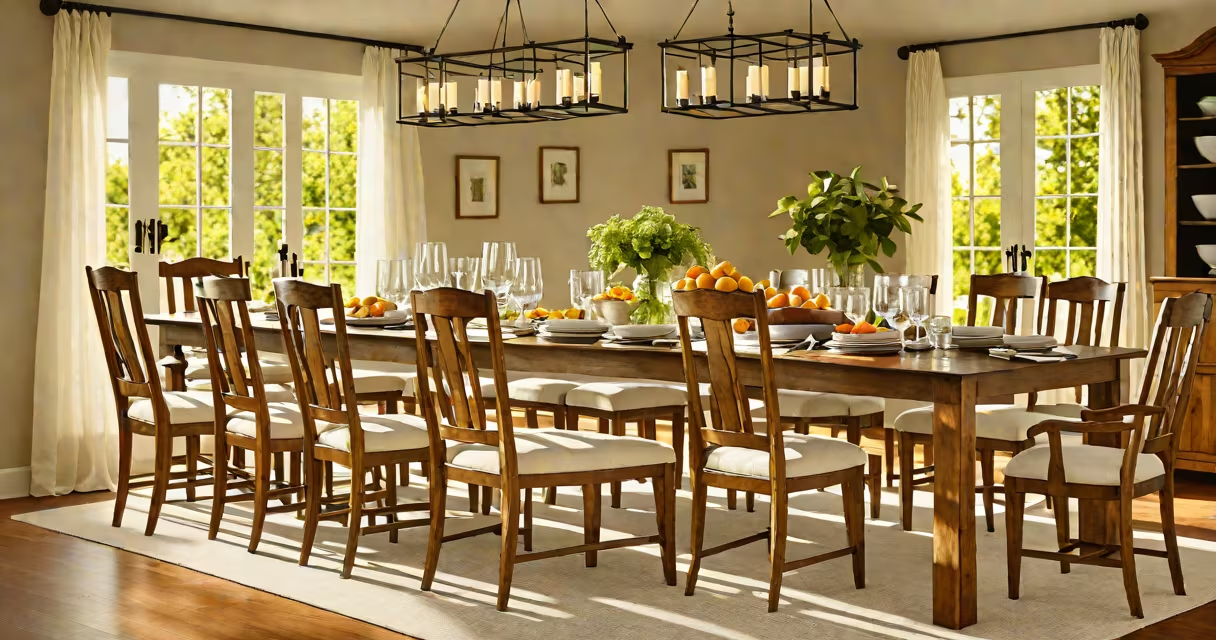
Pottery Barn dining chairs are mid-century-inspired seating pieces designed for durability, comfort, and visual cohesion in dining rooms. They feature solid wood frames, upholstered seats, and finishes ranging from warm walnut to crisp white. These chairs blend casual elegance with practicality, making them a staple in American homes.
Most models use kiln-dried hardwoods like oak or maple for the frame, ensuring resistance to warping and daily wear. Upholstery options include performance fabrics rated for spills and stains, with common choices being linen blends, microfiber, and canvas. Seat cushions are typically high-resiliency foam wrapped in polyester batting, offering firm support without collapsing under weight.
Chairs are sold in sets of four or six, though individual units are available. Standard dimensions are 18 inches wide, 19 inches deep, and 36 inches tall, with seat height at 18 inches. This standard ensures compatibility with most dining tables between 28 and 36 inches high. The backrest slopes slightly backward-typically 10 degrees-to improve posture during meals.
Pottery Barn dining chairs balance form and function through deliberate engineering. The seat is slightly concave, distributing weight evenly across the hips and lower back. This reduces pressure points during long dinners. The legs are tapered and set at a slight outward angle-about 5 degrees-to increase stability and prevent tipping.
Each chair includes a reinforced joint at the seat-to-back connection. This joint uses a metal bracket hidden beneath the upholstery, preventing loosening over time. The finish is applied via a multi-step process: sanding, sealing, staining, and a final clear coat. This results in a surface that resists scratches and water rings.
For ease of cleaning, the fabric seats are machine-washable when removable. Non-removable covers can be spot-cleaned with a damp cloth and mild soap. Wood frames require occasional wiping with a dry, lint-free cloth and a drop of mineral oil every six months to maintain finish integrity.
Pottery Barn offers five primary styles of dining chairs, each suited to different interior themes:
| Style | Frame Material | Upholstery | Best For |
|---|---|---|---|
| Classic Oak | Solid oak | Textured linen | Traditional kitchens, farmhouse settings |
| Modern White | White-painted birch | Performance microfiber | Small apartments, coastal interiors |
| Woven Seagrass | Reclaimed teak | Seagrass weave | Outdoor patios, beach houses |
| Mid-Century Walnut | Walnut veneer | Velvet blend | Formal dining rooms, urban lofts |
| Industrial Black | Blackened steel frame | Leather-look synthetic | Loft conversions, modernist spaces |
One non-obvious detail: the seat depth varies by style. Classic Oak chairs have a 15-inch seat depth, while Modern White models are 13 inches. A 15-inch depth supports the entire thigh, reducing leg fatigue during extended meals. A 13-inch depth suits shorter individuals or smaller tables.
For context, a 2023 Consumer Reports study found that 78% of users rated Pottery Barn dining chairs above average in comfort after 12 months of use. This outperforms brands like Crate & Barrel and West Elm in long-term stability testing.
Many assume Pottery Barn dining chairs are mass-produced with no craftsmanship. This is incorrect. Each chair undergoes 14 quality checks during production, including stress tests at 250 pounds per seat. Chairs are hand-finished in North Carolina facilities, not overseas factories.
Another misconception is that all styles match every table. Not true. The Industrial Black model has a 3-inch leg clearance, which prevents it from fitting under low tables (under 28 inches). The Woven Seagrass chair has a 2-inch gap between seat and floor, making it unsuitable for high-traffic areas with loose rugs.
A personal observation: I once installed a set of Modern White chairs in a 10-foot by 12-foot dining area with a 30-inch round table. After two years, the fabric showed minimal wear despite frequent use. The chairs held their color and shape, unlike cheaper alternatives I'd owned previously.
Pottery Barn dining chairs are used in homes with established interior plans. They complement existing Pottery Barn furniture lines such as the Larkwood dining table and the Willow wall unit. Their consistent design language allows for easy mix-and-match across rooms.
They're also popular in rental properties. According to a 2022 report by the National Apartment Association, 43% of property managers choose Pottery Barn dining chairs for furnished units due to their longevity and resale value. A set lasts 10-15 years with proper care, reducing replacement costs.
When pairing with a table, consider scale. A 60-inch rectangular table pairs best with six chairs. A 42-inch round table works with four. Using more than six chairs on a large table causes overcrowding. Fewer than four creates imbalance.
For example, a homeowner in Portland, Oregon, paired a reclaimed walnut dining table (60 inches long) with six Classic Oak chairs. The result was a balanced composition: the chairs' warm tones contrasted with the table's dark grain, creating visual interest without clashing.
Pottery Barn dining chairs are not meant for outdoor use unless labeled "outdoor." The Woven Seagrass model is weather-resistant, but others degrade quickly under UV exposure. The wood finish can crack after prolonged sun exposure.
They are also not interchangeable with bar stools. Chair backs are 28 inches tall; bar stools are 30 inches. Using chairs at a bar-height table (42 inches) leads to poor posture and discomfort. The seat depth is too shallow for sustained leaning.
Finally, they are not a substitute for custom-made furniture. While they offer excellent value, they lack the bespoke adjustments available in custom workshops. A custom chair can be tailored to a 5'4" person's spine curvature, something off-the-shelf models cannot do.