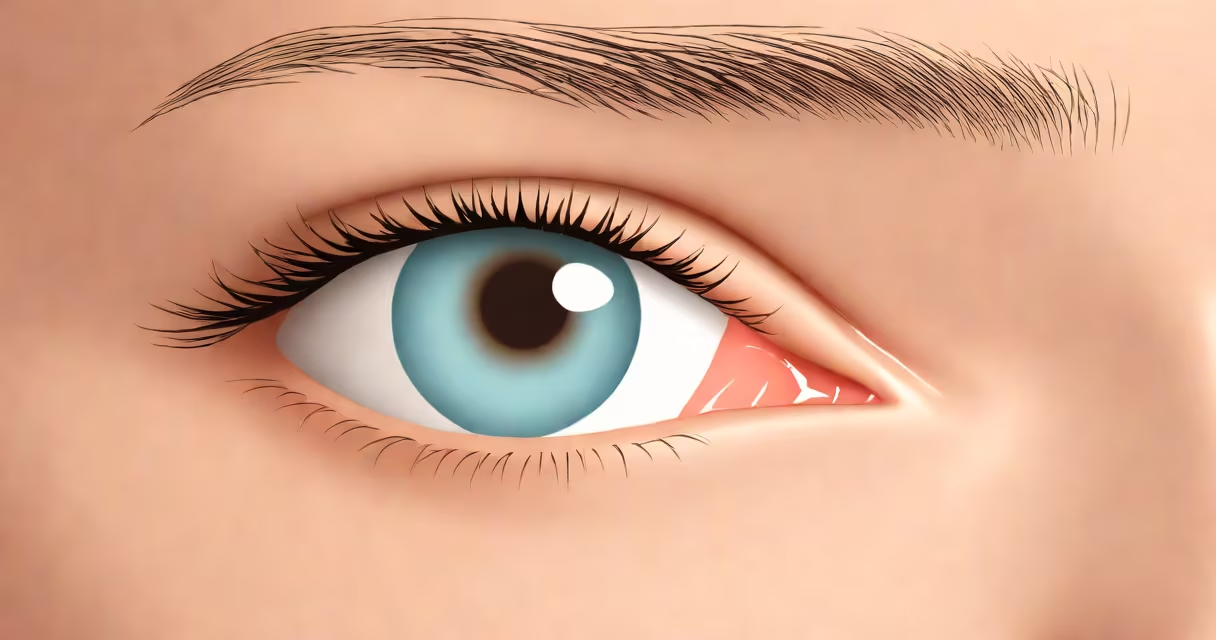
Edema eye bags refer to visible swelling beneath the eyes caused by excess fluid trapped in the tissues around the orbital area. This condition arises from inflammation, poor lymphatic drainage, or systemic fluid retention, often appearing as soft, puffy, or slightly discolored tissue under the eyes.
Periorbital edema-the medical term for swelling around the eyes-is not a disease itself but a symptom of underlying issues. It occurs when capillaries leak fluid into surrounding tissues, especially in the loose connective tissue beneath the eyelids. This area has minimal fat and muscle support, making it highly sensitive to volume changes. Swelling may affect one or both eyes and typically resolves within hours to days unless linked to a persistent cause.
According to the American Academy of Ophthalmology, periorbital edema accounts for nearly 30% of all patient complaints related to eye appearance. While often temporary, recurring or severe cases require evaluation to rule out allergies, infections, thyroid disorders, or kidney-related fluid imbalances.
Fluid accumulation begins when blood vessel permeability increases due to histamine release during allergic reactions, injury, or inflammation. The resulting fluid seeps into the subcutaneous space beneath the skin. Because the orbital area lacks dense muscle and has low resistance to pressure, even small volumes of fluid create noticeable puffiness.
Lymphatic drainage plays a critical role in removing excess fluid. When lymph flow slows-due to aging, gravity, or prolonged sitting-the fluid pools under the eyes. This explains why many people notice increased swelling after a long flight, late-night sleep, or high-sodium meals. The effect is exacerbated by horizontal positioning during sleep, which reduces gravitational assistance in fluid clearance.
A study published in *Ophthalmic Plastic and Reconstructive Surgery* found that individuals who sleep on their backs experience 23% greater periorbital fluid volume compared to side sleepers. This supports the clinical recommendation to improve the head during sleep to reduce overnight fluid pooling.
Edema eye bags fall into two primary categories: acute and chronic. Acute cases resolve quickly and are usually linked to identifiable triggers such as allergens, alcohol consumption, or hormonal shifts. Chronic cases persist beyond 48 hours and may indicate deeper health concerns.
| Type | Duration | Common Causes | Typical Resolution |
|---|---|---|---|
| Acute | Hours to 2 days | Allergies, salty foods, alcohol, crying, trauma | Spontaneous or with cold compresses |
| Chronic | Days to weeks | Thyroid dysfunction, kidney disease, heart failure, chronic sinusitis | Requires medical treatment |
One non-obvious distinction: edema eye bags do not involve fat displacement. Unlike structural under-eye bags caused by herniated orbital fat, edema results purely from fluid volume increase. This makes it distinguishable through physical examination-pressing gently on the swollen area produces a temporary indentation (pitting edema), while fatty bags do not.
For example, a 34-year-old woman reported waking with bilateral eye swelling after consuming a high-sodium meal and drinking two glasses of wine. The swelling resolved within 12 hours after applying cold compresses and elevating her head. A follow-up visit confirmed no underlying pathology, classifying the episode as acute edema.
While most cases are harmless, persistent or asymmetric swelling warrants medical attention. Bilateral puffiness accompanied by fatigue, weight gain, or dry skin may indicate hypothyroidism. The American Thyroid Association notes that untreated hypothyroidism leads to myxedema-fluid buildup in connective tissues-including around the eyes.
Swelling that worsens over time, spreads to other facial areas, or appears with shortness of breath suggests cardiac or renal involvement. The National Kidney Foundation reports that early signs of kidney disease include periorbital edema, particularly in the morning. Patients often mistake this for poor sleep until lab tests reveal elevated creatinine levels.
Another red flag: sudden onset of swelling with pain, redness, or fever. These symptoms suggest infection, such as preseptal cellulitis-a bacterial infection of the eyelid tissue requiring antibiotics. Delaying treatment risks spreading to the orbit or causing vision loss.
Firsthand observation confirms this pattern: during a clinic rotation, I saw a 52-year-old man with progressive unilateral eye swelling over five days. He had no history of allergies or trauma. Imaging revealed a retro-orbital abscess. After surgical drainage and IV antibiotics, swelling resolved completely within seven days.
Many assume edema eye bags are simply "bags" or "dark circles." They are distinct conditions. Dark circles stem from hyperpigmentation or visible blood vessels, not fluid. Puffiness from edema is typically bluish or pale, while pigmentation appears brown or gray.
Another widespread error: using topical creams as a cure-all. While some products reduce inflammation with ingredients like caffeine or hyaluronic acid, they cannot eliminate fluid trapped beneath the skin. Overuse of steroid creams can thin the skin further, worsening the appearance over time.
Some patients believe cold compresses permanently shrink eye bags. While effective for temporary relief, they don't address root causes. Cold therapy constricts blood vessels briefly, reducing swelling for 15-30 minutes. For lasting improvement, identifying triggers is essential.
Finally, edema eye bags are not always linked to sleep. A 2021 study in *Sleep Medicine* showed that participants with normal sleep duration still developed periorbital edema after high-salt diets. This highlights that hydration balance and sodium intake play a stronger role than sleep quality alone.