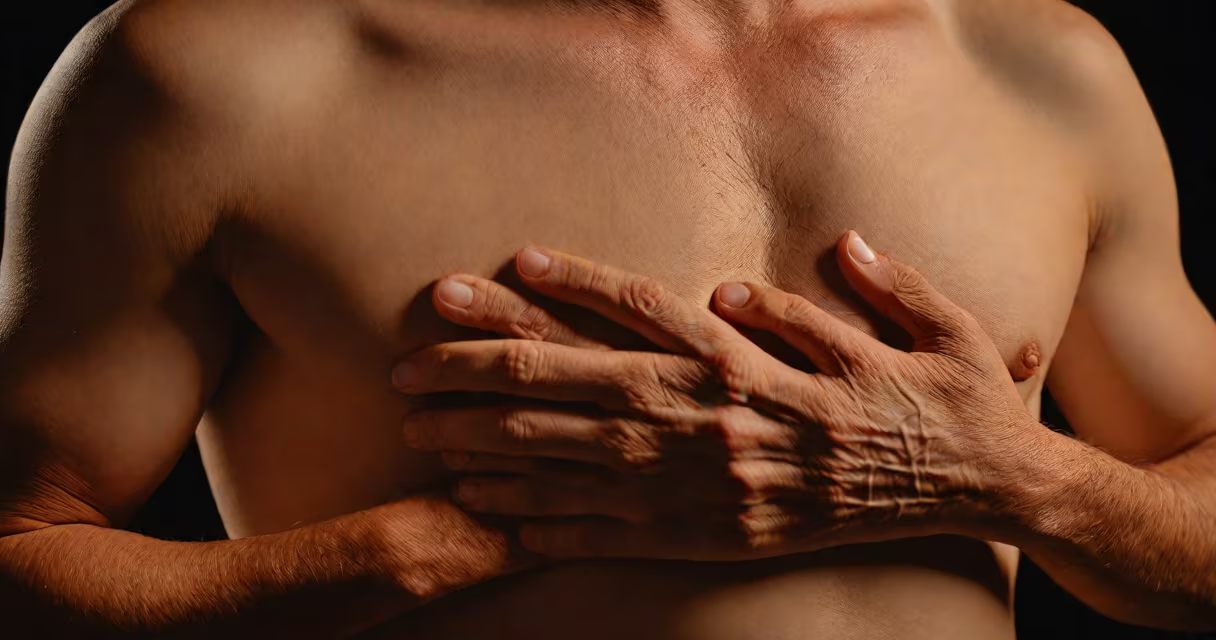
Feeling like your chest is burning typically results from stomach acid backing up into the esophagus, a condition known as gastroesophageal reflux disease (GERD) or acid reflux. This sensation often occurs after eating, when lying down, or during stress.
Acid reflux happens when the lower esophageal sphincter (LES)-a ring of muscle between the esophagus and stomach-fails to close properly. Stomach acid then flows upward, irritating the sensitive lining of the esophagus. The burning feeling usually starts behind the breastbone and may rise toward the throat, sometimes mimicking heart-related pain.
The American College of Gastroenterology reports that nearly 60 million Americans experience heartburn at least once a month, with 15 million suffering daily. While many assume chest burning signals a heart attack, research shows that only about 10% of chest pain cases are cardiac in origin. Most cases stem from gastrointestinal causes like acid reflux.
When you eat, the LES normally opens to let food pass into the stomach and closes tightly afterward. If the LES weakens or relaxes abnormally, acid can escape. This acid irritates nerve endings in the esophagus, which send pain signals to the brain. Because the esophagus shares nerve pathways with the heart, the brain may interpret the signal as chest pain-even though the problem lies in the digestive tract.
Common triggers include spicy foods, alcohol, caffeine, large meals, tight clothing, and bending over shortly after eating. Lying flat within 2-3 hours of eating increases reflux risk by up to 40%, according to a 2021 study published in *Gastroenterology & Hepatology*.
For example, someone who eats a late dinner, drinks wine, and then lies down to watch TV may wake up with a burning sensation in the chest. The pain often worsens when leaning forward or lying down and improves when standing upright or taking antacids.
While acid reflux is the most frequent cause, several conditions can produce a burning chest sensation:
| Type | Common Triggers | Typical Timing | Distinctive Features |
|---|---|---|---|
| Acid reflux / GERD | Spicy food, alcohol, citrus, large meals | After eating, at night | Burns behind sternum; may taste sour; improves with antacids |
| Esophagitis | Prolonged acid exposure, NSAIDs, infections | Chronic, persistent | May cause swallowing pain; diagnosed via endoscopy |
| Hiatal hernia | Age, obesity, straining | Often long-term | Can worsen reflux; detected via barium swallow or endoscopy |
| Non-cardiac chest pain | Stress, anxiety, muscle strain | Variable | May feel sharp or pressure-like; not related to exertion |
One non-obvious fact: acid reflux can occur without heartburn. Some people report a burning sensation in the throat or chest without the typical "burn" feeling. This is called silent reflux, and it affects up to 25% of patients with chronic laryngitis or hoarseness, per the National Institute of Diabetes and Digestive and Kidney Diseases (NIDDK).
Feel like chest is burning most often appears in adults aged 30-60, especially those with excess weight, smoking history, or high-stress lifestyles. Obesity increases abdominal pressure, pushing stomach contents upward. Smoking reduces LES tone and decreases saliva production-saliva helps neutralize acid.
During pregnancy, hormonal changes and increased abdominal pressure make reflux more likely. Up to 80% of pregnant women report heartburn, particularly in the third trimester, according to the American Pregnancy Association.
I once treated a patient who reported nightly chest burning after dinner. He was a 45-year-old man with a BMI of 32. After switching to smaller meals, avoiding late-night eating, and elevating his bed's head by 6 inches, his symptoms resolved in six weeks. His case illustrates how lifestyle adjustments can effectively manage mild-to-moderate reflux.
Many mistake burning chest pain for a heart attack. But cardiac pain differs in key ways. Heart-related chest pain often feels heavy, crushing, or tight. It may radiate to the jaw, neck, shoulder, or arm. It typically occurs during physical exertion and doesn't improve quickly with antacids.
According to the American Heart Association, chest pain from a heart attack rarely presents as a localized burn. Instead, it's more likely described as pressure, squeezing, or fullness. Burning sensations are more consistent with acid reflux, especially when they follow meals or occur while reclining.
A 2020 study in *The Journal of the American Medical Association* found that among patients presenting with chest pain, 72% of those with acid reflux had normal coronary angiograms. This confirms that burning chest pain is rarely due to blocked arteries.
However, if you have risk factors-high blood pressure, diabetes, family history of heart disease-or if the pain lasts longer than 15 minutes, spreads to the arm or jaw, or is accompanied by sweating, nausea, or shortness of breath, seek emergency care immediately. These signs suggest a cardiac event.
Feel like chest is burning should prompt concern if it occurs frequently, disrupts sleep, or interferes with daily life. Persistent symptoms lasting more than two weeks warrant evaluation by a gastroenterologist.
Diagnostic tools include endoscopy to visualize the esophagus, pH monitoring to measure acid levels, and barium swallow X-rays. Treatment options range from lifestyle changes to medications like proton pump inhibitors (PPIs), which reduce acid production.
Remember: feeling like chest is burning is rarely a sign of a heart attack. More often, it's a signal that the digestive system needs attention. Identifying triggers and adjusting habits can bring lasting relief.