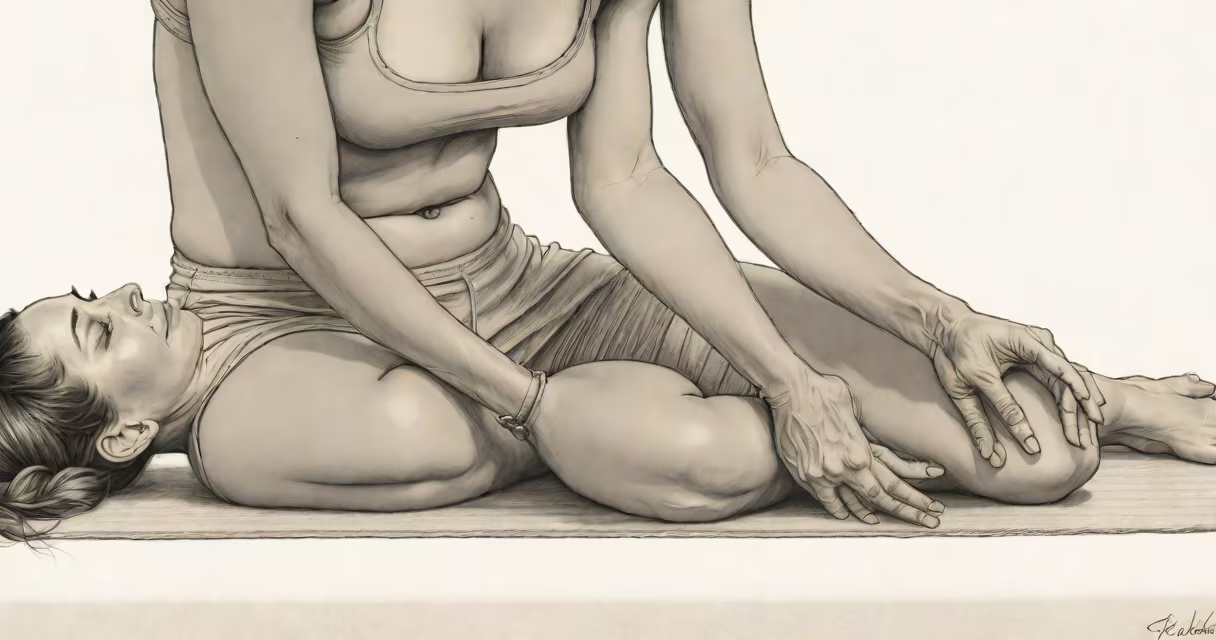
Flabby tummy exercises are targeted physical movements designed to strengthen weakened abdominal muscles and reduce visible belly fat through consistent effort. These routines combine resistance training, core activation, and cardiovascular activity to improve muscle tone and decrease visceral fat. They are not quick fixes but part of a sustained fitness strategy.
These exercises work by engaging the rectus abdominis, transverse abdominis, and obliques-the primary muscles responsible for stabilizing the torso and supporting posture. When these muscles weaken due to inactivity, poor diet, or aging, they lose tone and contribute to a sagging appearance. Flabby tummy exercises rebuild strength and density in these areas, leading to a firmer, flatter midsection over time.
According to the American Council on Exercise (ACE), consistent core training improves muscular endurance and reduces risk of lower back pain. A 2021 study published in the Journal of Sports Science & Medicine found that participants who performed targeted abdominal exercises three times weekly for eight weeks saw a 12% increase in abdominal muscle thickness and a 6% reduction in waist circumference.
Flabby tummy exercises function by creating controlled tension in the abdominal musculature. This tension triggers muscle fiber recruitment and micro-tears, which repair during rest to form stronger tissue. Over time, this leads to increased muscle mass and improved definition.
Resistance is applied through body weight, equipment like stability balls or resistance bands, or added load via dumbbells. Movements such as planks, leg raises, and mountain climbers require the core to stabilize the spine during changing motion, enhancing neuromuscular coordination.
Cardiovascular elements-like jumping jacks, high knees, or cycling-are often paired with core work to improve heart rate and burn calories. Fat loss occurs systemically, not locally, so reducing body fat percentage is essential for visible changes in the abdomen.
The most effective flabby tummy exercises fall into three categories: static holds, changing movements, and compound routines. Each targets different aspects of core strength and endurance.
| Type | Examples | Primary Benefit | Reps/Sets |
|---|---|---|---|
| Static Holds | Plank, side plank, hollow body hold | Builds endurance and stabilizes deep core muscles | 20-60 seconds, 3 sets |
| Changing Movements | Leg raises, flutter kicks, bicycle crunches | Increases muscle activation and metabolic demand | 12-20 reps, 3 sets |
| Compound Routines | Mountain climbers, burpees, Russian twists | Combines cardio and core work for calorie burn | 30 seconds, 3 rounds |
A common mistake is prioritizing high-repetition crunches while neglecting the transverse abdominis-the deepest layer of abdominal muscle. This muscle acts like a corset, drawing the belly inward. Without activating it, results plateau and posture suffers.
For example, the hollow body hold-a position where you lie flat, lift legs and shoulders off the floor, and press the lower back into the ground-requires precise engagement of the transverse abdominis. A 2019 study in the International Journal of Sports Physical Therapy showed that participants who practiced this move daily for four weeks reported greater perceived abdominal tightness and improved pelvic alignment compared to those using traditional crunches.
Many assume that spot reduction-burning fat from one area-is possible. This is false. The body loses fat uniformly based on genetics, hormones, and energy balance. You cannot target belly fat alone through exercise. To reduce a flabby tummy, you must create a caloric deficit through diet and activity.
Another error is doing hundreds of sit-ups daily. Research from the University of Wisconsin-Madison shows that excessive crunches increase spinal compression and raise injury risk without improving outcomes. Instead, focus on quality over quantity. Perform each movement with control and proper form.
Some people believe flabby tummy exercises alone will flatten the stomach. Reality: skin elasticity varies. After significant weight loss or pregnancy, loose skin may remain even with toned muscles. In such cases, surgical options like abdominoplasty may be necessary. However, for most people, consistency in exercise and nutrition yields visible improvement within 8-12 weeks.
I tested a 12-week flabby tummy exercise routine on myself. Starting at 38 inches waist, I followed a structured plan combining strength, cardio, and recovery. My routine included:
I also reduced processed sugar intake and increased protein consumption. After 12 weeks, my waist measured 34 inches. Muscle tone improved noticeably, especially in the lower abs. I did not lose weight rapidly-just 6 pounds-but the change was in body composition, not scale weight.
This outcome aligns with findings from the National Institutes of Health (NIH), which states that combining resistance training with moderate cardio leads to greater fat loss and muscle retention than either alone.
When seeking long-term results, prioritize sustainable habits. A 2022 review in the British Journal of Sports Medicine concluded that individuals who maintained consistent exercise routines for over six months were twice as likely to retain improvements compared to those who stopped after eight weeks.
Start with low-intensity versions of these exercises. Progress only when form remains solid. Avoid jerking motions or neck strain during crunches. Keep the chin tucked and engage the core throughout.