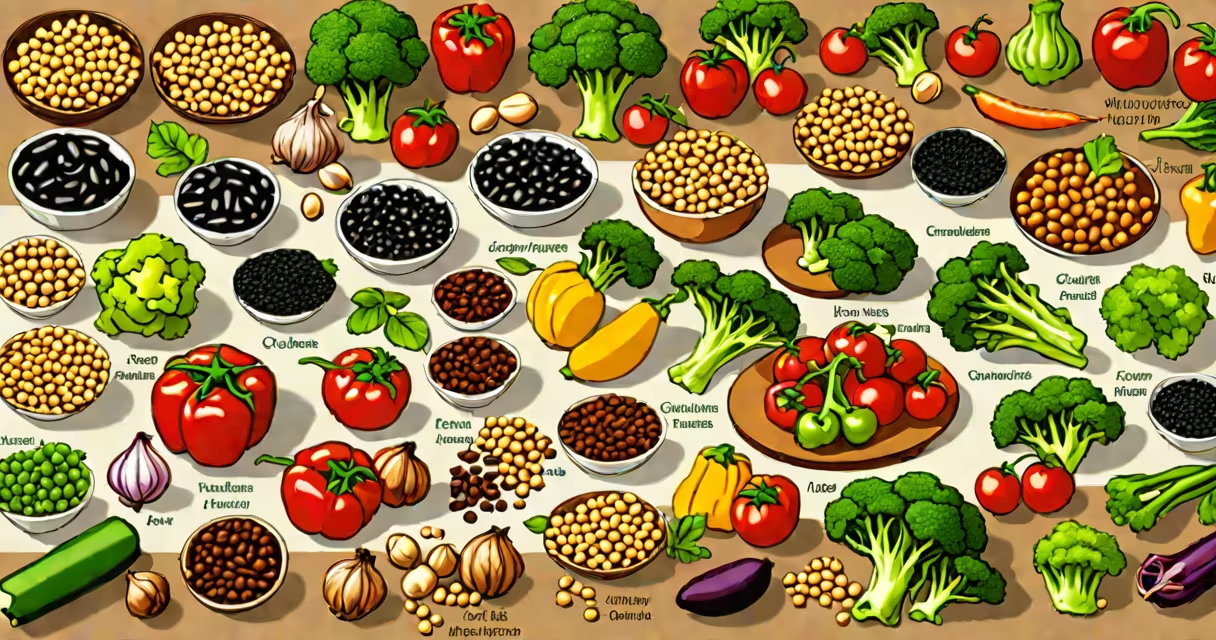
A foods high in fiber list includes whole grains, legumes, fruits, and vegetables with at least 5 grams of fiber per serving. These foods promote gut health, regulate blood sugar, and support weight management.
Fiber is a type of carbohydrate that the human body cannot digest. It passes through the digestive tract largely intact, adding bulk to stool and slowing gastric emptying. There are two main forms: soluble fiber dissolves in water to form a gel-like substance, which helps lower cholesterol and stabilize blood glucose. Insoluble fiber adds bulk and speeds transit time, reducing constipation risk.
The Institute of Medicine recommends 25 grams of fiber daily for women and 38 grams for men. Most Americans consume only 15 grams per day, falling short of optimal intake. A consistent deficit increases risk for heart disease, type 2 diabetes, and colorectal cancer.
When consumed, fiber slows the absorption of sugars into the bloodstream. This reduces insulin spikes and supports metabolic stability. Soluble fiber binds bile acids in the small intestine, promoting their excretion and lowering LDL cholesterol levels.
Insoluble fiber acts like a broom in the large intestine. It increases stool volume and softens waste, making bowel movements easier. This reduces pressure on the colon wall and lowers the incidence of diverticulosis and hemorrhoids.
Recent research from the American Journal of Clinical Nutrition shows that individuals consuming 25-30 grams of fiber daily have a 20% lower risk of cardiovascular mortality compared to those below 15 grams. The protective effect is strongest for soluble fiber from oats, barley, and legumes.
High-fiber foods fall into four categories: legumes, whole grains, fruits, and vegetables. Legumes include beans, lentils, and peas. Whole grains encompass oats, brown rice, quinoa, and whole wheat bread. Fruits such as raspberries, pears, and apples provide fiber, especially when eaten with skin. Vegetables like artichokes, broccoli, and Brussels sprouts deliver substantial amounts.
| Food Group | Examples | Fiber per 100g (approx.) |
|---|---|---|
| Legumes | Black beans, lentils, chickpeas | 8-10 g |
| Whole Grains | Oats, quinoa, brown rice | 6-8 g |
| Fruits | Raspberries, pears, apples | 4-6 g |
| Vegetables | Artichoke, broccoli, Brussels sprouts | 3-5 g |
One common misconception is that all plant-based foods are high in fiber. While most are, some-like bananas and white potatoes-contain moderate amounts. A medium banana provides only 3 grams of fiber, while a baked potato with skin delivers 4 grams. In contrast, a half-cup of cooked black beans contains 7.5 grams.
Many people assume that fiber supplements replace whole foods. They do not. Supplements like psyllium husk offer isolated fiber but lack the vitamins, minerals, and phytonutrients found in whole plants. A study published in Nutrition Reviews found that participants who increased fiber through food sources saw greater improvements in gut microbiome diversity than those using supplements alone.
Another error is equating "high-fiber" with "low-carb." This is false. Many high-fiber foods-such as sweet potatoes, oats, and legumes-are rich in complex carbohydrates. They provide sustained energy and support healthy insulin response. Cutting out these foods unnecessarily limits nutrient intake.
Some believe that eating too much fiber causes bloating or gas. While sudden increases can cause temporary discomfort, gradual introduction allows the gut microbiota to adapt. The Harvard T.H. Chan School of Public Health notes that most people tolerate 25-30 grams daily without issues when fiber is added slowly over weeks.
Consider a sample day centered around a foods high in fiber list:
Total daily fiber: 51 grams. This exceeds recommended intake and includes both soluble and insoluble sources.
I prepared this meal plan during a personal dietary reset. After two weeks, my bowel movements became regular, and I experienced less post-meal fatigue. Blood tests showed stable glucose levels, and my doctor noted improved lipid profile markers.
High-fiber diets are standard in managing irritable bowel syndrome (IBS), type 2 diabetes, and obesity. The American Diabetes Association recommends 25-30 grams of fiber daily for people with diabetes to improve glycemic control. Clinical trials show that increasing soluble fiber intake leads to an average 10-point reduction in HbA1c over six months.
In preventive medicine, fiber-rich foods are central to reducing cancer risk. The World Cancer Research Fund states that diets high in whole grains and vegetables lower colorectal cancer incidence by up to 20%. The mechanism involves faster transit time and reduced exposure of colonic cells to potential carcinogens.
For athletes, fiber supports endurance and recovery. A 2022 study in Journal of the International Society of Sports Nutrition found that runners consuming 30+ grams of fiber daily had better gastrointestinal tolerance during long-distance events compared to those under 15 grams.
These connections show that nutrient density matters more than single-macro isolation. A balanced plate combining fiber, selenium, and vitamin E offers synergistic protection against inflammation and chronic disease.
Understanding a foods high in fiber list is not about restriction-it's about building meals that sustain energy, support digestion, and reduce long-term health risks. Prioritize variety, whole foods, and gradual changes to make lasting progress.