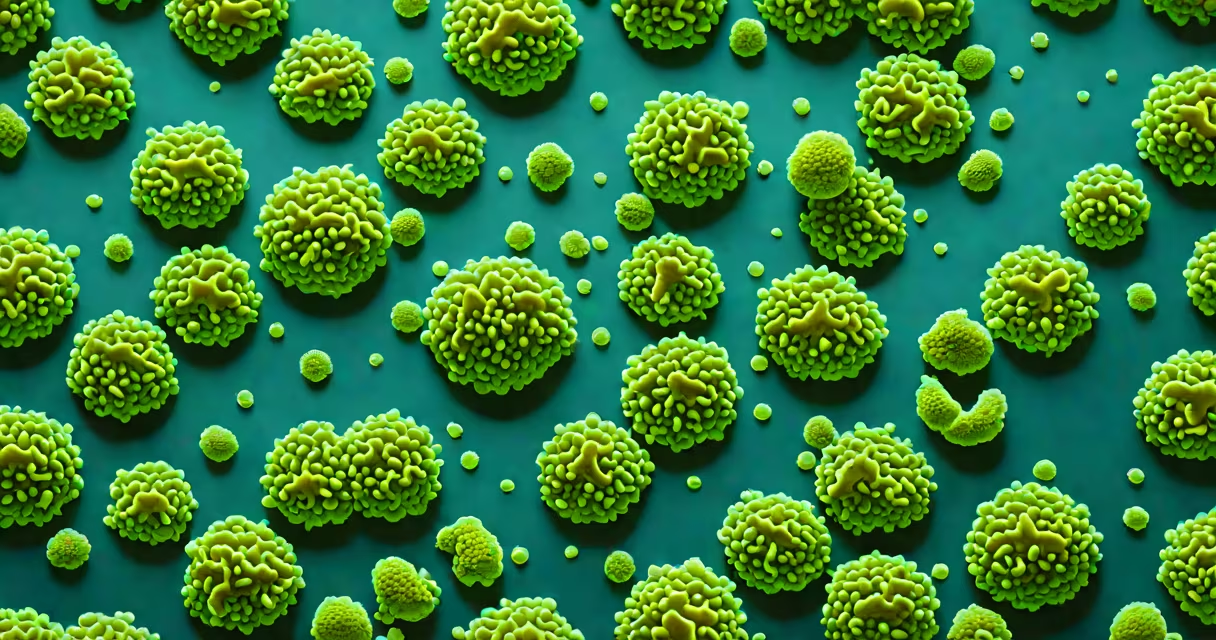
MRSA, or methicillin-resistant Staphylococcus aureus, is a strain of staph bacteria that resists many standard antibiotics, making infections difficult to treat and increasing the risk of severe outcomes. It spreads in healthcare settings and communities, often causing life-threatening conditions like sepsis, pneumonia, and surgical site infections.
Staphylococcus aureus normally lives harmlessly on skin or in the nose of about 30% of people. But when it develops resistance to beta-lactam antibiotics-including methicillin, oxacillin, penicillin, and amoxicillin-it becomes MRSA. This resistance arises through genetic mutations, particularly the acquisition of the mecA gene, which alters the bacterial cell wall structure so antibiotics can't bind effectively.
The Centers for Disease Control and Prevention (CDC) reports that MRSA caused over 11,000 deaths annually in the U.S. between 2017 and 2021, despite declining rates since peak years in the early 2000s. The persistence of MRSA stems from both its resilience and the overuse of antibiotics in medicine and agriculture, which accelerates resistance development.
Standard antibiotics fail against MRSA because they target the bacterial cell wall. Methicillin and similar drugs work by binding to penicillin-binding proteins (PBPs), disrupting cell wall synthesis. MRSA produces an altered PBP called PBP2a, encoded by the mecA gene, which has low affinity for these drugs. As a result, the antibiotics pass through without effect.
This resistance isn't limited to one drug class. Some MRSA strains show resistance to fluoroquinolones, macrolides, and even newer agents like linezolid in rare cases. A 2022 study in *The Lancet Infectious Diseases* documented a rise in multidrug-resistant MRSA isolates in intensive care units, especially among patients with prolonged hospital stays.
When treatment fails, infections progress rapidly. Skin abscesses may deepen into necrotizing fasciitis-tissue-destroying infections requiring emergency surgery. Bloodstream infections (bacteremia) can lead to septic shock, with mortality rates exceeding 30% in older adults or immunocompromised individuals.
Two main forms of MRSA exist: healthcare-associated (HA-MRSA) and community-associated (CA-MRSA). HA-MRSA typically affects hospitalized patients, especially those in ICUs, on ventilators, or with indwelling devices like catheters. CA-MRSA spreads among otherwise healthy people in close-contact environments-schools, gyms, military barracks-and often presents as painful skin boils.
| Type | Setting | Common Symptoms | Antibiotic Resistance Profile |
|---|---|---|---|
| HA-MRSA | Hospitals, nursing homes | Surgical site infections, bloodstream infections | Resistant to multiple classes: beta-lactams, fluoroquinolones |
| CA-MRSA | Community, sports teams, prisons | Painful skin abscesses, cellulitis | Often resistant to beta-lactams; sometimes sensitive to clindamycin or trimethoprim-sulfamethoxazole |
Transmission occurs via direct contact with infected wounds or contaminated surfaces. MRSA can survive on dry surfaces like bed rails, doorknobs, and gym equipment for days. A 2019 study in *Clinical Microbiology and Infection* found MRSA persisted on stainless steel for up to 7 days and on plastic for 4 days at room temperature.
Many assume MRSA only affects hospitals. That's incorrect. Community-associated MRSA accounts for nearly half of all MRSA cases in the U.S., according to CDC surveillance data from 2020. In some regions, CA-MRSA is more prevalent than HA-MRSA, especially among young adults and children.
Another misconception is that MRSA always causes severe illness. While it can be deadly, many carriers remain asymptomatic. Up to 2% of the general population carry MRSA in their nasal passages without showing symptoms, acting as silent reservoirs. These individuals can unknowingly transmit the bacteria during close contact.
I once observed a high school wrestling team outbreak in 2018. Five athletes developed boil-like lesions after training. Cultures confirmed CA-MRSA. Despite prompt isolation and decolonization protocols, two players required IV antibiotics and missed two months of competition. The incident underscored how quickly MRSA spreads in shared spaces with frequent skin-to-skin contact.
Preventing MRSA requires layered strategies. Healthcare facilities use contact precautions-gloves, gowns, dedicated equipment-for known carriers. Screening high-risk patients upon admission reduces transmission. The CDC recommends daily chlorhexidine bathing for ICU patients to reduce colonization.
In communities, hygiene is key. Regular handwashing with soap and water, avoiding sharing personal items like razors or towels, and covering wounds prevent spread. A 2021 study in *JAMA Internal Medicine* showed that routine hand hygiene compliance reduced MRSA transmission by 40% in long-term care facilities.
Understanding why MRSA is dangerous involves recognizing its dual threat: biological resilience and human behavior. Its resistance profile limits treatment options, while its ability to hide in asymptomatic carriers enables unchecked spread. The combination makes MRSA a persistent public health challenge, demanding vigilance in both clinical and everyday settings.