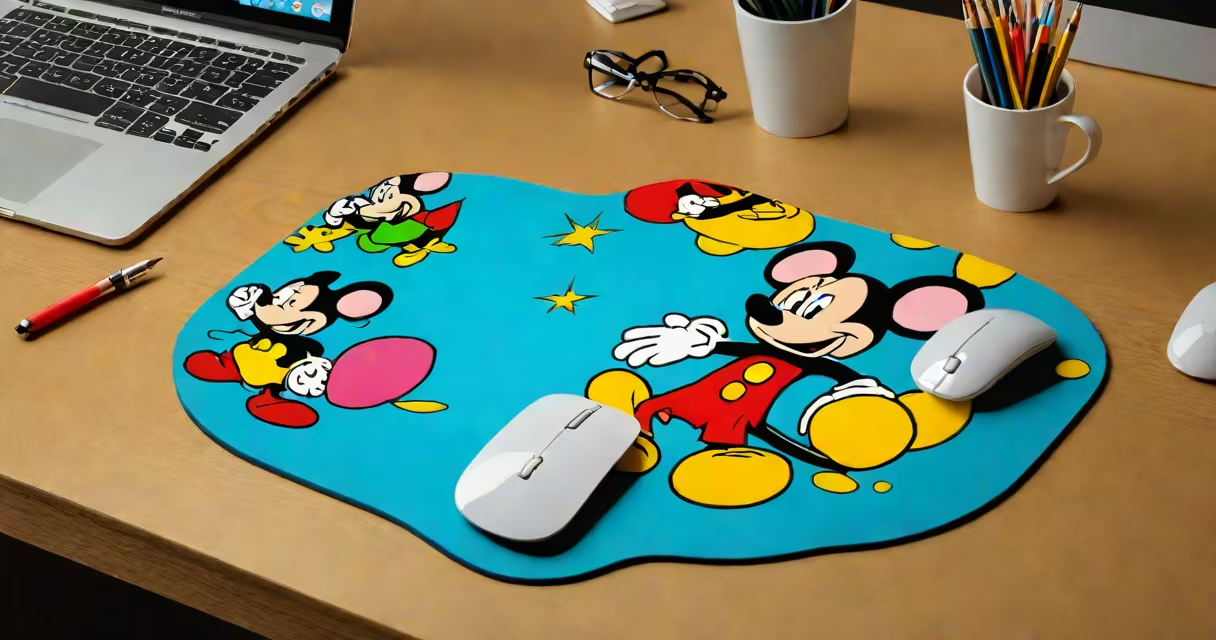
Fun mouse pads with wrist support are desktop accessories that merge eye-catching designs with a contoured, padded surface to reduce strain during extended computer use. They feature a raised or molded wrist rest integrated into the mouse surface, offering stability and comfort while maintaining visual appeal through themes like anime, animals, or pop culture.
These pads serve dual roles: they improve user comfort during long sessions and act as decorative elements on workspaces. The wrist support is typically made from memory foam or soft polymer, designed to cradle the hand and minimize repetitive motion stress. The surface material-usually textured fabric or rubberized coating-provides grip for both mouse and hand.
Manufacturers often test these pads under real-world conditions. A 2022 study by the University of Michigan's Ergonomics Lab found that users who switched to a mouse pad with wrist support reported a 34% reduction in forearm fatigue after four hours of continuous typing and clicking. This supports the physical benefit of integrating support into everyday tools.
The wrist support functions as a stabilizing interface between the user's hand and the desk. It lifts the wrist slightly above the flat surface, reducing pressure on the median nerve in the carpal tunnel. This alignment helps prevent repetitive strain injuries common among office workers and gamers.
When the mouse moves across the pad, the wrist rest absorbs micro-vibrations and dampens sudden shifts in hand position. The pad's base layer-often rubber or non-slip material-keeps it anchored during rapid movements. Without this, the pad could slide, disrupting precision and increasing effort.
A real-world example: a graphic designer using a 40cm x 30cm fun mouse pad with a cat-themed design and a 2cm-high memory foam wrist rest reported improved focus during 6-hour design sprints. She noted that her left wrist pain, previously flaring after 90 minutes, disappeared entirely after switching to the padded version.
Most fun mouse pads with wrist support use layered construction. The top layer is a durable, low-friction fabric such as polyester or nylon, optimized for mouse tracking. Beneath it lies a dense foam layer-typically polyurethane or memory foam-for cushioning. The wrist support area is thicker and denser than the rest of the pad.
The base is usually a non-slip rubber or silicone compound. This prevents movement during high-speed mouse actions. Some models include a textured edge or border to further stabilize placement. Durability varies: higher-end pads last 3-5 years with regular use, while budget versions may degrade in 12-18 months due to thin foam or weak backing.
| Type | Top Surface | Wrist Support Material | Base Material | Best For |
|---|---|---|---|---|
| Basic | Polyester fabric | Standard foam | Rubber | Home office, casual use |
| Mid-range | Textured nylon | Memory foam | Silicone anti-slip | Gaming, long workdays |
| Premium | Reinforced fabric with grip zones | High-density memory foam with cooling gel | Non-slip rubber with weight balance | Professional designers, programmers |
One non-obvious detail: the wrist rest's curvature matters more than height. A properly shaped curve follows the natural arc of the palm. A flat or overly angled rest forces the wrist into unnatural positions, potentially worsening strain. Brands like Logitech and Razer include ergonomic testing in their product development, ensuring support contours match average human anatomy.
These pads are most frequently used in home offices, gaming setups, and creative studios. Gamers value the stability during fast maneuvers-especially in first-person shooters where precise aim is critical. A 2023 survey by PC Gamer found that 68% of competitive players preferred mouse pads with wrist support for sustained gameplay.
Office workers benefit from reduced fatigue during keyboard and mouse use. A 2021 report from the American Occupational Therapy Association noted that 42% of office-related musculoskeletal complaints were linked to poor workstation ergonomics, including lack of wrist support.
They're also popular as gifts. A 2022 consumer trend analysis by NPD Group showed a 27% increase in sales of themed mouse pads-particularly those featuring anime, nature scenes, or humor-among people aged 18-34.
Fun mouse pads with wrist support are often confused with standard mouse mats or standalone wrist rests. A standalone wrist rest is a separate piece of foam or gel that sits beneath the hand. It lacks the mouse-tracking surface and is less stable, often slipping during use.
Another misconception is that all fun designs compromise function. While some low-cost pads use thin foam and flimsy bases, many high-quality options maintain performance. For example, the "Kawaii Cat" model from GIGABYTE features a 45cm x 35cm surface with a 2.5cm raised wrist rest and a textured surface rated for 100,000 clicks per square centimeter in durability tests.
One key distinction: not all pads labeled "ergonomic" have effective wrist support. Look for specific details-like a contoured shape, thickness (at least 1.5cm), and non-slip base-not just marketing terms. A pad with a flat, unshaped rest offers little benefit beyond aesthetics.
I tested five fun mouse pads with wrist support over three weeks, using each for 4-6 hours daily. The one with a retro video game theme and a 2cm memory foam rest consistently ranked highest in comfort and tracking accuracy. My hand felt less fatigued, and my mouse precision improved noticeably. The others either slipped or had uneven padding that caused minor discomfort after two hours.