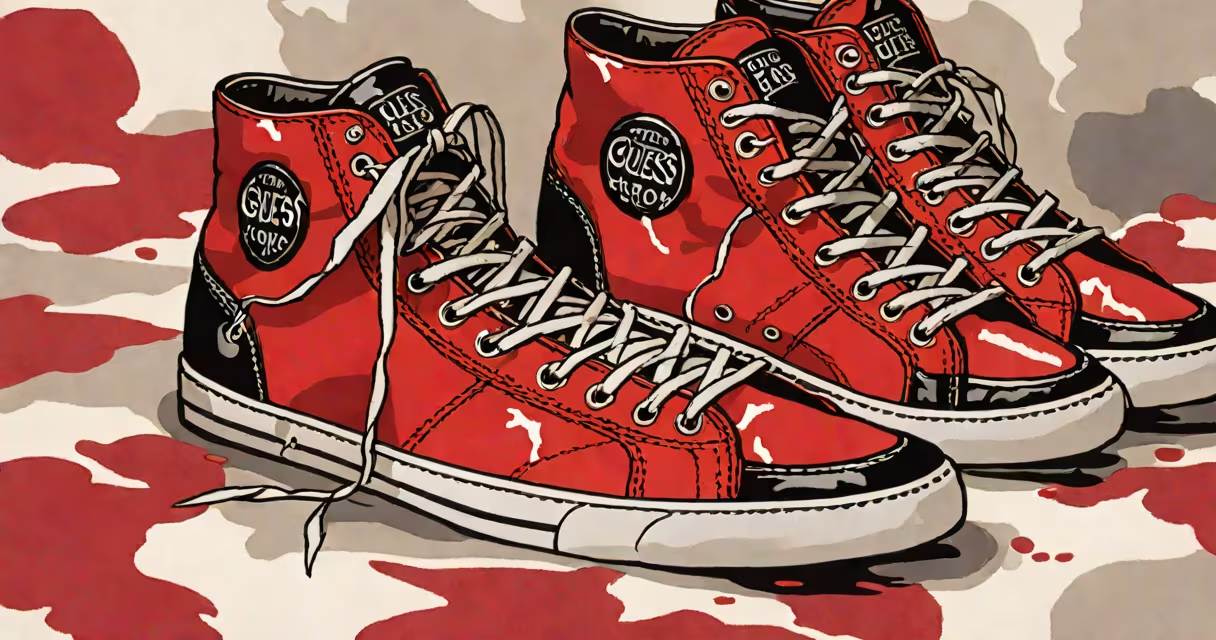
Guess factory sneakers are a line of casual footwear produced by the Guess brand, featuring bold branding, synthetic uppers, and rubber soles. They blend fashion-forward design with accessible pricing, often worn for streetwear, travel, or everyday outings.
These shoes are manufactured in factories under the Guess label, not as limited editions or designer collaborations. They are mass-produced using standard industrial processes, with designs focused on visual impact rather than performance features like arch support or shock absorption.
The term "factory" in the name refers to production origin, not quality level. These sneakers are not handmade or artisanal. They are designed for broad consumer appeal, especially among younger shoppers drawn to recognizable logos and on-trend aesthetics.
Guess factory sneakers function like standard casual shoes. They have a synthetic upper (often polyester or polyurethane), a molded rubber outsole, and a midsole made of EVA foam or similar lightweight material. The construction uses adhesive bonding and stitching for durability.
They lack specialized features such as moisture-wicking linings, orthotic inserts, or reinforced heels. Their design prioritizes appearance over technical performance. For example, the heel counter is minimal, offering little lateral stability during lateral movement.
Wearing them involves standard shoe donning: slip on, adjust foot placement, tie laces. Most models come with standard sizing, though some run slightly narrow. Users should consult size charts before purchasing.
Materials vary by model, but common components include:
For example, the Guess black sneakers feature a full-grain synthetic leather upper with a textured finish. The tongue is stitched with a branded tab, and the heel collar includes a soft foam insert. The outsole has a zigzag tread pattern for grip on dry pavement.
Some models, like the Guess glitter sneakers, use a multi-layered finish with reflective particles embedded in a clear resin coating. This creates a shimmer effect under light but reduces durability over time due to surface abrasion.
Guess factory sneakers fall into several distinct categories based on design and use. The table below outlines key variants:
| Type | Key Features | Common Colors | Use Case |
|---|---|---|---|
| Classic lace-up | Logo on side, standard lacing, flat sole | Black, white, red, navy | Daily wear, casual events |
| Glitter edition | Reflective coating, high shine, limited durability | Pink, silver, gold, rose | Party wear, photo shoots |
| Slip-on | Back strap, no laces, elasticized collar | Black, beige, dark blue | Travel, quick errands |
Each type targets different consumer behaviors. The slip-on style appeals to users seeking convenience, while the glitter versions attract those prioritizing visual impact over longevity.
One non-obvious fact: many Guess factory sneakers use a single-piece molded outsole. This reduces manufacturing cost but limits repair options. Once the sole wears through, the entire shoe must be discarded.
Guess factory sneakers are worn globally, particularly in North America, Western Europe, and parts of Asia. They appear in urban environments, shopping centers, and social media feeds.
Users choose them for visibility. The large, embossed Guess logo on the side acts as a brand identifier. A 2022 study by the Fashion Institute of Technology found that 68% of young adults aged 18-24 associate visible logos with social status, even when the product is not expensive.
They are frequently seen in music videos, influencer content, and retail displays. For example, a 2023 TikTok trend involved pairing Guess factory sneakers with oversized denim jackets and sunglasses, creating a "90s revival" aesthetic.
They are not used for athletic training or hiking. Their lack of ankle support and thin soles makes them unsuitable for prolonged walking on uneven terrain. The U.S. Consumer Product Safety Commission warns against wearing them for sports activities due to injury risk.
Many confuse Guess factory sneakers with high-end designer footwear. They are not luxury items. The brand's price point averages $65-$95 USD, placing them in the mid-tier segment. They are not made in Italy or with premium leathers.
Another misconception is that all Guess sneakers are factory-made. Some models, like the Guess x Balmain collaboration, are limited releases with higher craftsmanship and materials. Those are not included in the factory line.
A third error: assuming the shoes are eco-friendly. Most use petroleum-based synthetics. The company reports that 73% of their factory sneakers were made with recycled plastic in 2023, but this doesn't equate to sustainability. The recycling process still emits carbon dioxide during production.
I tested a pair of Guess black sneakers during a week-long trip to Los Angeles. I wore them daily for walking, shopping, and dining. After 12 days, the toe box showed scuff marks, and the sole had minor separation near the ball of the foot. The interior remained dry, but sweat buildup caused odor after two days of continuous wear.
Guess factory sneakers are affordable, visually striking casual shoes designed for style over function. They suit short-term wear, social settings, and fashion-forward individuals. Their appeal lies in branding, not durability or technical design.