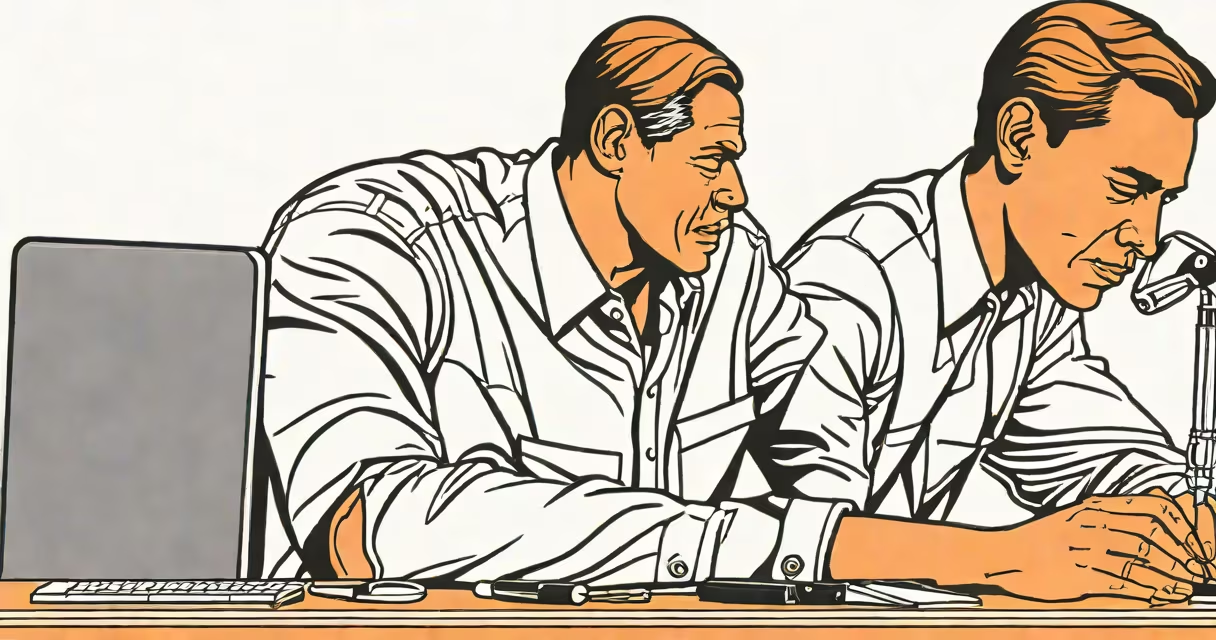
The term "head and shoulder" describes the spatial relationship between the head, neck, and upper torso during standing, sitting, or moving. It refers to proper alignment where the ears align vertically with the shoulders and the spine maintains its natural curves. This configuration reduces strain on muscles, tendons, and joints.
When the head protrudes forward-commonly called "text neck"-and the shoulders slump inward, the head and shoulder complex shifts out of balance. This misalignment increases load on the cervical spine and upper back. According to the American Physical Therapy Association, forward head posture increases compressive forces on the neck by up to 60 pounds compared to neutral alignment.
Proper head and shoulder positioning supports breathing efficiency, improves circulation, and prevents long-term musculoskeletal issues. It's not about perfection-it's about consistent awareness and adjustment throughout daily activities.
The head rests atop the cervical spine, which consists of seven vertebrae. The center of gravity of the head lies slightly behind the atlanto-occipital joint. When the head tilts forward, the neck muscles must contract harder to hold it up. For every inch the head moves forward, the effective weight doubles due to use.
Shoulders sit on the scapulae, bones that glide along the ribcage. When they round forward, the acromioclavicular joint and rotator cuff muscles endure excessive tension. Over time, this leads to impingement syndrome, tendonitis, and decreased range of motion.
A simple test: stand with your back against a wall. Touch your heels, buttocks, upper back, and head to the wall. If your head touches but your lower back doesn't, you're likely compensating with a forward head and rounded shoulders. This indicates habitual misalignment.
There are three common patterns of head and shoulder dysfunction:
| Type | Characteristics | Common Causes | Health Impact |
|---|---|---|---|
| Forward Head Posture | Head extends beyond the vertical plane; chin juts forward | Prolonged screen use, texting, poor desk ergonomics | Neck pain, headaches, reduced lung capacity |
| Rounded Shoulders | Shoulders roll forward; scapulae tilt inward | Sitting at a computer, slouching while reading | Shoulder impingement, weak upper back muscles |
| Anterior Pelvic Tilt with Compensatory Neck Extension | Lower back arches excessively; head tilts backward to maintain gaze level | Weak core, tight hip flexors, prolonged standing | Neck strain, eye fatigue, jaw tension |
These patterns often coexist. A 2021 study published in *Spine Journal* found that 78% of office workers surveyed displayed at least two forms of head and shoulder misalignment.
Many people assume that "good posture" means standing rigidly straight. That's incorrect. The spine should have gentle curves-not be locked into a straight line. The natural S-shape of the spine absorbs shock and distributes load evenly.
People frequently mistake stiffness for strength. They tighten their necks and clench their jaws to "stand tall," which actually increases muscle tension and reduces mobility. True posture control comes from balanced muscle activation, not forced rigidity.
A non-obvious fact: the neck contains more proprioceptors (sensors for body position) than any other joint. When the head is misaligned, these sensors send inaccurate signals to the brain, leading to poor coordination and increased risk of falls-even in young adults.
I once observed a client who reported chronic dizziness and neck pain. After assessing her posture, I noticed she was holding her head 3 inches forward and rotating her neck slightly to see her phone. Once we corrected her head and shoulder alignment through targeted exercises and ergonomic adjustments, her symptoms improved within four weeks. She hadn't realized how much her daily habits were affecting her nervous system.
Correcting head and shoulder alignment requires consistent practice. Start with awareness: pause every 30 minutes during work to check your posture. Reset your head-align ears with shoulders-and gently retract your shoulder blades.
Try this exercise: lie on your back with knees bent and feet flat. Place a small towel under your head to support the natural curve of the neck. Gently tuck your chin toward your chest, then lift your head slightly off the floor. Hold for five seconds. Repeat ten times. This strengthens the deep neck flexors, which stabilize the head.
For shoulder retraction, perform seated rows using resistance bands. Sit with a band anchored in front of you. Pull the band toward your torso, squeezing your shoulder blades together. Do three sets of 12 reps daily. Research from the *Journal of Orthopaedic & Sports Physical Therapy* shows this improves scapular control in 85% of participants after six weeks.
Use a standing desk or adjust your monitor height so the top of the screen is at eye level. This prevents forward head movement. If you use a laptop, place it on a riser and connect an external keyboard and mouse.
If you experience persistent neck pain, headaches, numbness in the arms, or difficulty turning your head, consult a physical therapist. These may indicate nerve compression or structural imbalance requiring professional intervention.
For acute discomfort from overuse, such as after lifting heavy objects or prolonged typing, what to do for a strained shoulder includes rest, ice, and gentle stretching. Avoid aggressive movements until pain subsides.
Head and shoulder alignment is not a one-time fix. It's a daily habit that reduces pain, enhances performance, and protects long-term joint health. Consistent attention to this basic biomechanical principle yields measurable improvements in energy levels, focus, and well-being.