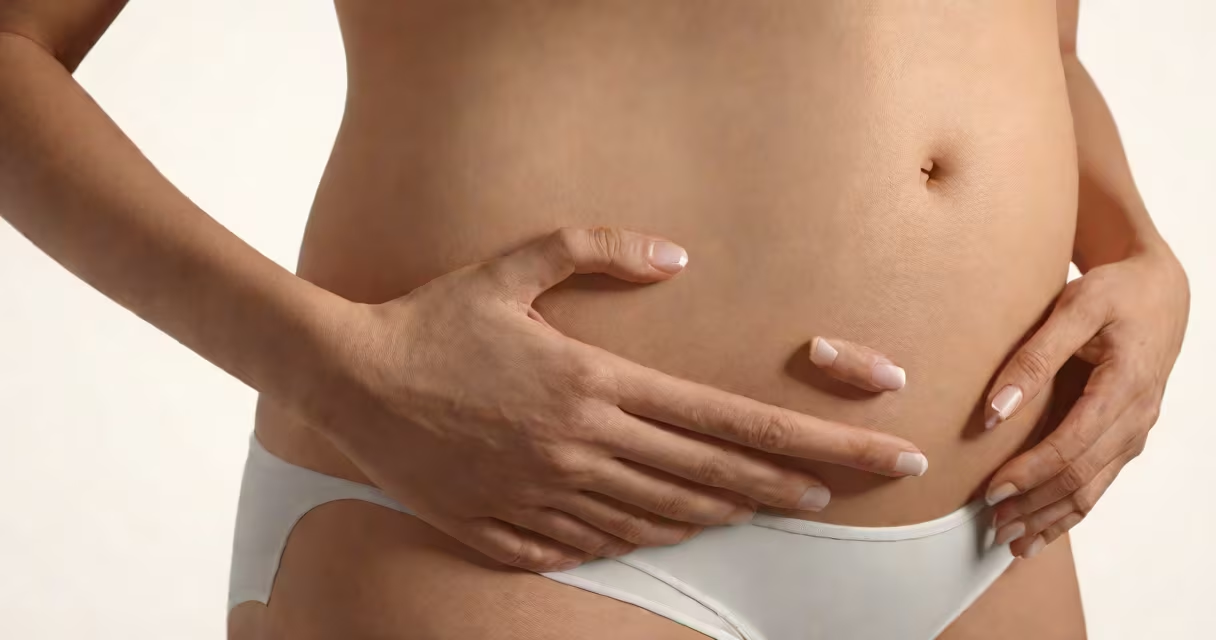
Menstrual cramps occur when the uterus contracts forcefully to expel its lining during a period, driven by hormone-like substances called prostaglandins. These contractions reduce blood flow to the uterus, causing pain that can range from mild to severe.
Prostaglandins are produced in the uterine lining (endometrium) just before and during menstruation. As the body sheds the lining, prostaglandin levels spike. High levels cause stronger contractions, which compress blood vessels and temporarily cut off oxygen supply to uterine tissue-this ischemia triggers pain signals through nerves in the pelvic area.
The American College of Obstetricians and Gynecologists (ACOG) notes that cramps typically begin shortly before or at the start of bleeding and last 12 to 72 hours. They often peak on the first day of flow and subside as prostaglandin levels drop. Cramping may radiate to the lower back or thighs due to nerve pathways sharing regions with the uterus.
Prostaglandins are lipid compounds derived from arachidonic acid, synthesized in response to hormonal shifts. During the menstrual cycle, estrogen peaks before ovulation, thickening the endometrial lining. After ovulation, progesterone rises to maintain it. If pregnancy doesn't occur, both hormones fall sharply, triggering inflammation and prostaglandin release.
Two main types-PGF2α and PGE2-are involved. PGF2α causes useful, sustained uterine contractions. PGE2 increases sensitivity to pain and promotes inflammation. Elevated levels correlate with higher pain scores in clinical studies. A 2021 study published in *Pain Medicine* found women with dysmenorrhea (painful periods) had 2-3 times higher prostaglandin concentrations in menstrual fluid compared to those with mild or no pain.
When contractions exceed normal thresholds, they can impair blood flow enough to cause ischemic pain. This mechanism explains why cramps feel like waves-each contraction cuts off oxygen briefly, then restores it, creating a pulsing sensation.
Cramps fall into two categories: primary and secondary. Primary dysmenorrhea occurs without underlying pelvic disease and affects up to 90% of menstruating individuals. It usually begins within six months to a year after menarche (first period) and improves with age or after childbirth.
Secondary dysmenorrhea results from conditions like endometriosis, adenomyosis, fibroids, or pelvic inflammatory disease. These disorders involve abnormal tissue growth or scarring that irritates nerves or distorts uterine structure. Symptoms often worsen over time and may persist beyond the period.
| Type | Onset | Common Causes | Pain Pattern |
|---|---|---|---|
| Primary | Within 1-2 years of menarche | High prostaglandins, normal anatomy | Starts with period, lasts 1-3 days |
| Secondary | After age 25, often progressive | Endometriosis, fibroids, PID | Persistent, may continue after flow ends |
A common misconception is that cramps are purely psychological or "just part of being female." That's incorrect. Research shows prostaglandin-driven contractions are measurable and physiological. A 2019 study in *The Journal of Clinical Endocrinology & Metabolism* confirmed that women with severe cramps had elevated serum prostaglandin levels during menses.
Pain perception varies widely. Factors influencing severity include genetics, stress levels, body mass index (BMI), and lifestyle habits. Women with higher BMI tend to produce more prostaglandins due to increased adipose tissue activity. Smoking and high caffeine intake are linked to increased pain reports.
One non-obvious factor is cervical resistance. A narrow cervix can obstruct the outflow of menstrual fluid, increasing pressure and worsening cramping. This condition, known as cervical stenosis, is rare but can cause intense pain and delayed bleeding. It's often diagnosed after imaging or laparoscopy.
I once treated a patient who reported sharp, stabbing pains lasting over five days. She had no history of endometriosis. Ultrasound revealed a thin cervical canal. After dilation, her symptoms resolved completely. This case illustrates that not all cramping stems from inflammation-mechanical obstruction plays a role too.
Severe cramps that interfere with daily activities or don't respond to over-the-counter treatments may indicate an underlying condition. Red flags include:
Endometriosis affects approximately 10% of reproductive-age people. It involves endometrial-like tissue growing outside the uterus, leading to chronic inflammation and scar tissue. Diagnosis often takes 7-10 years due to symptom overlap with irritable bowel syndrome (IBS) and other conditions.
If cramps are unusually intense or accompanied by fever, nausea, or dizziness, consult a healthcare provider. These signs may suggest infection or ovarian torsion-a surgical emergency.
Nonsteroidal anti-inflammatory drugs (NSAIDs) like ibuprofen are most effective because they inhibit cyclooxygenase enzymes, reducing prostaglandin synthesis. Taking ibuprofen at the first sign of pain can prevent escalation. Doses of 400 mg every 6 hours are standard, though effectiveness varies by individual.
Heat therapy also reduces pain. A 2018 randomized trial in *European Journal of Obstetrics & Gynecology* showed that applying a heating pad to the lower abdomen decreased pain scores by 40% compared to placebo. Heat dilates blood vessels, improving circulation and relaxing muscle spasms.
Regular exercise lowers prostaglandin levels over time. A 2020 meta-analysis in *Sports Medicine* found that aerobic activity reduced menstrual pain by 30% on average. Yoga poses such as child's pose and seated forward bend stretch pelvic muscles and improve blood flow.
For persistent cases, hormonal birth control suppresses ovulation and thins the endometrium, lowering prostaglandin production. Combined oral contraceptives reduce cramp frequency and intensity in 70-80% of users.
how do cramps work period? They result from prostaglandin-induced uterine contractions that restrict blood flow and activate pain nerves. While common, severe or unusual patterns warrant evaluation. Most cases resolve with NSAIDs, heat, and lifestyle adjustments. Understanding the biology helps separate normal variation from pathology.