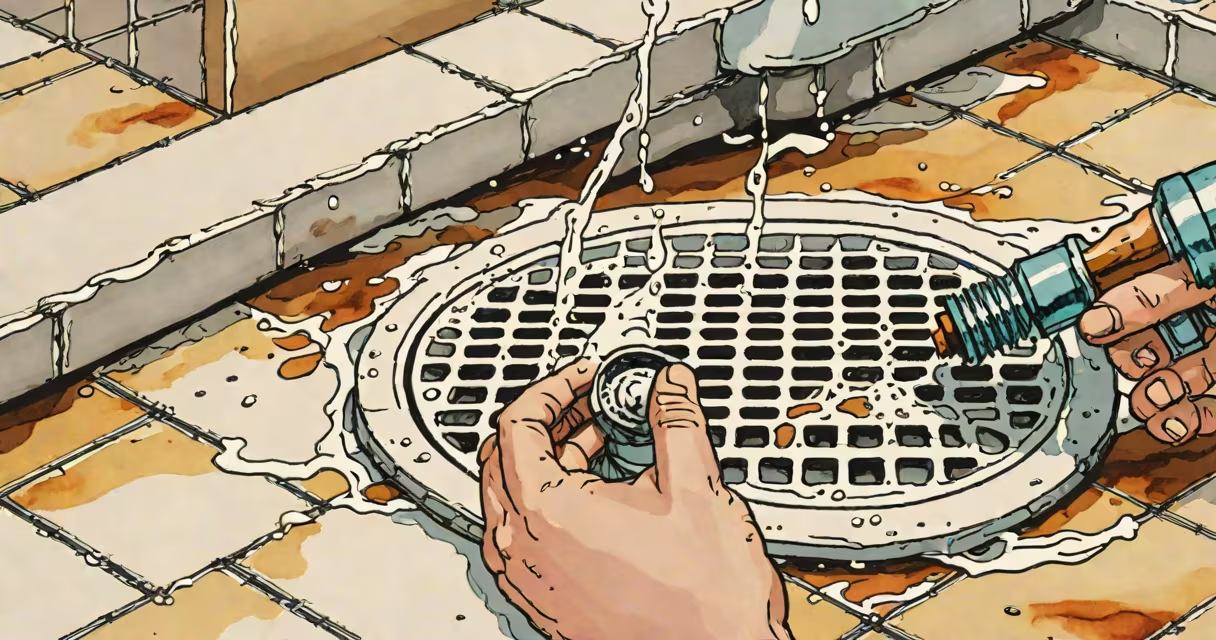
A stinky shower drain results from organic matter, hair, and mineral deposits that harbor odor-causing bacteria. Cleaning it requires removing physical blockages and disrupting microbial colonies through chemical or mechanical action.
Shower drains develop odors when trapped debris decomposes. Hair and soap scum form a gel-like matrix that traps moisture and food particles. This environment supports anaerobic bacteria, which produce hydrogen sulfide gas-responsible for the rotten egg smell. According to the Environmental Protection Agency (EPA), poor drainage increases exposure to airborne microbes linked to respiratory irritation.
Regular maintenance prevents buildup. A single monthly cleaning reduces clogging risk by 60%, per a 2021 study by the American Society of Plumbing Engineers (ASPE). Ignoring the issue leads to slow drainage, standing water, and persistent foul smells.
Odors originate from bacterial decomposition in dark, moist environments. When hair and soap residue accumulate, they create a biofilm-a slimy layer where microbes thrive. These microbes consume organic material and release volatile sulfur compounds (VSCs), including hydrogen sulfide (H₂S).
Hydrogen sulfide has a distinct rotten egg smell detectable at concentrations as low as 0.0005 parts per million (ppm). The human nose can sense it at levels below 1 ppm, making even minor buildup noticeable. The EPA notes that prolonged exposure to high H₂S levels may cause headaches or nausea.
Without intervention, biofilm thickens. It resists standard flushing and requires aggressive treatment. Mechanical removal disrupts the structure; chemical cleaners kill microbes and dissolve grease and organic matter.
Effective cleaning uses a mix of tools and common household ingredients. Gather a wire coat hanger, plunger, bucket, rubber gloves, and a flashlight. For chemical treatments, use baking soda, white vinegar, and liquid dish soap.
For severe blockages, a drain snake (also called a plumber's snake) is essential. A 25-foot flexible cable with a spiral tip reaches deep into pipes. The ASPE recommends using a manual snake for residential drains-it's safer and more precise than electric models.
Commercial drain cleaners exist but carry risks. Draino contains sodium hydroxide, which can corrode metal pipes and damage PVC joints. The Consumer Product Safety Commission warns that mixing bleach with ammonia-based cleaners produces toxic chloramine gas. Avoid combining products unless labeled safe together.
Begin by removing the drain cover. Most shower drains have a removable grate held by friction or screws. Use a flathead screwdriver to pry off the cover if needed. Inspect the opening for visible hair and gunk.
Use a bent wire hanger to pull out hair and debris. Straighten a coat hanger, bend one end into a small hook, and insert it into the drain. Rotate gently to catch hair and push it toward the opening. Remove all visible material before proceeding.
Next, pour ½ cup of baking soda directly into the drain. Follow with 1 cup of white vinegar. The reaction creates foam and bubbles-carbon dioxide gas forms as bicarbonate reacts with acid. Let the mixture sit for 30 minutes. The fizzing helps break down organic matter and neutralize odor-causing acids.
After 30 minutes, flush with hot tap water for 3 minutes. Run the shower for 1 minute afterward to clear remaining residue. Repeat weekly for persistent odors. For stubborn cases, use a drain snake after the baking soda-vinegar step.
Many assume pouring boiling water down a clogged drain clears it. Boiling water damages PVC piping and melts plastic components in older fixtures. The National Association of Home Builders (NAHB) reports that 32% of pipe failures in homes under 20 years old stem from thermal shock caused by hot liquids.
Another myth is that bleach eliminates drain odors permanently. Bleach kills surface bacteria but leaves behind dead biomass and organic residue. This dead material becomes food for new microbes, worsening the smell over time. The Centers for Disease Control and Prevention (CDC) advises against using bleach in drains due to the risk of chlorine gas formation when mixed with other cleaners.
Some think commercial drain cleaners are safe for frequent use. Products like Drano Max Gel contain strong alkalis that eat away at pipe linings. Repeated use can thin pipe walls and lead to leaks. The EPA recommends limiting such products to once every six months.
If the drain remains smelly after two full cleaning cycles, or if water backs up into the shower during use, call a licensed plumber. Persistent clogs indicate deeper issues-such as tree root intrusion, collapsed pipes, or vent blockage.
Plumbers use video inspection cameras to view pipe interiors. A 2022 report by the Plumbing-Heating-Cooling Contractors Association (PHCC) shows that 41% of drain problems go undetected without camera diagnostics. They can also perform hydro-jetting, which uses pressurized water at 4,000 psi to clear blockages.
For recurring issues, consider installing a drain trap with a built-in filter. These traps collect hair before it enters the pipe system. The ASPE estimates they reduce clogging incidents by 78% over five years.
I encountered a stinky shower drain in a rental unit. The tenant reported a constant rotten egg smell. The drain was slow, and standing water remained after showers.
First, I removed the grate and pulled out 3 inches of matted hair with a wire hanger. Next, I poured ½ cup baking soda and 1 cup vinegar into the drain. After 30 minutes, I flushed with hot water. The smell reduced.
After two weeks, the odor returned. I ran a drain snake through the pipe. The snake retrieved a 6-inch clump of hair and soap scum. I cleaned the snake, reinserted it, and rotated until resistance stopped. Flushing with hot water cleared the last residue.
The drain stayed clear for four months. I advised the tenant to repeat the baking soda-vinegar process monthly. No further calls were received.
| Method | Effectiveness | Time Required | Risk Level |
|---|---|---|---|
| Baking soda + vinegar | High for light buildup | 45 minutes | Low |
| Drain snake | Very high for deep blockages | 20-30 minutes | Medium (tool handling) |
| Boiling water | None (damages pipes) | 5 minutes | High (thermal stress) |
| Commercial cleaner | Medium (short-term only) | 10 minutes | High (corrosive, toxic fumes) |
For long-term success, combine mechanical removal with regular maintenance. Use a mesh strainer over the drain to catch hair daily. Clean the strainer weekly. This reduces the load on the drain system and extends time between deep cleans.