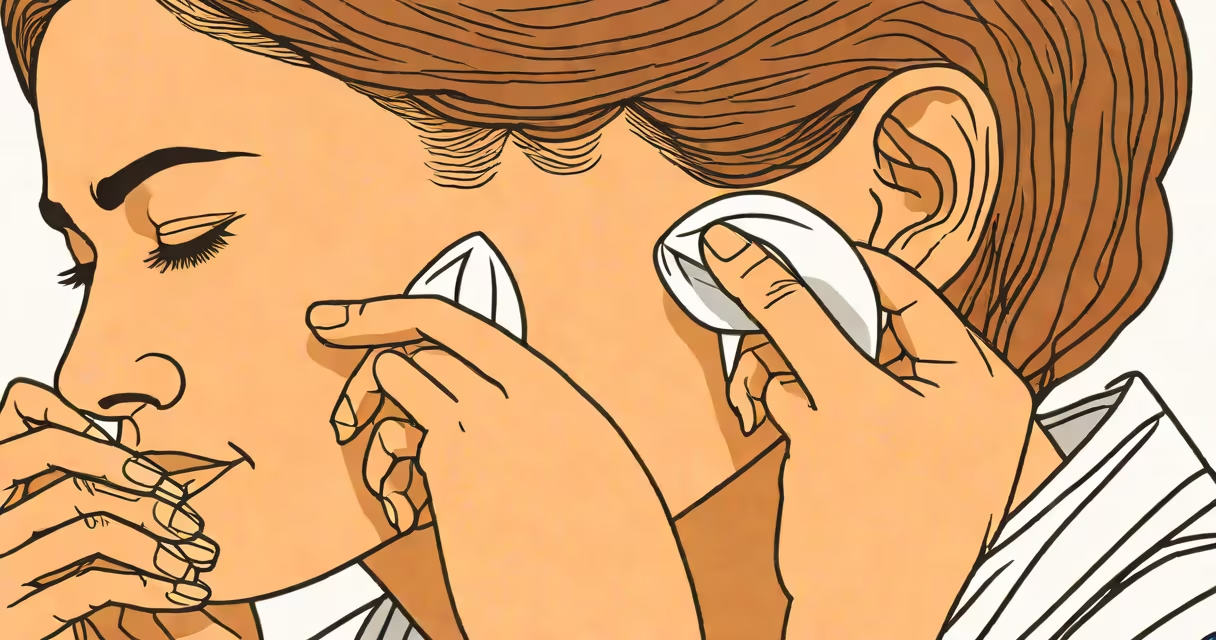
A sore ear typically results from infection, inflammation, or pressure changes. Effective relief includes warm compresses, over-the-counter pain relievers like ibuprofen or acetaminophen, and avoiding water exposure. Persistent pain, fever, or discharge requires medical evaluation.
Ear pain arises when tissues in the outer, middle, or inner ear become inflamed. The most common cause is otitis media-middle ear infection-often following a cold or upper respiratory illness. Fluid buildup behind the eardrum increases pressure, triggering sharp or dull pain. Outer ear infections (otitis externa), often called swimmer's ear, occur when moisture trapped in the ear canal invites bacterial growth.
Pain signals travel through the trigeminal and glossopharyngeal nerves, which also serve the jaw and throat. This explains why ear pain may radiate to the temple or jaw. A 2021 study in *The Journal of Laryngology & Otology* found that 63% of acute ear pain cases in adults were linked to viral upper respiratory infections preceding the onset.
Self-diagnosis is risky. Pain from a dental abscess or temporomandibular joint disorder (TMJ) can mimic earache. If pain persists beyond 48 hours or worsens, consult a healthcare provider to rule out serious conditions.
Warm compresses applied to the affected ear reduce discomfort by improving blood flow and easing muscle tension. Use a clean cloth soaked in warm (not hot) water, wring it out, and hold it against the ear for 10-15 minutes. Repeat every few hours as needed.
Over-the-counter analgesics such as ibuprofen (200 mg every 6 hours) or acetaminophen (500 mg every 6 hours) effectively reduce both pain and inflammation. The American Academy of Otolaryngology-Head and Neck Surgery recommends these medications as first-line treatment for mild to moderate ear pain.
For outer ear infections, a doctor may prescribe antibiotic ear drops. Do not insert cotton swabs or earbuds into the ear canal during infection. Avoid swimming until symptoms resolve. If using earplugs, ensure they're properly fitted and cleaned regularly.
Seek medical attention if pain lasts longer than 48 hours, especially with fever above 100.4°F (38°C), hearing loss, dizziness, or fluid draining from the ear. These signs suggest a bacterial infection requiring antibiotics or drainage.
Children under 2 years old with ear pain should see a doctor within 24 hours. The American Academy of Pediatrics states that infants with ear infections have a higher risk of complications, including ruptured eardrums or persistent fluid buildup.
Do not attempt to remove impacted earwax with cotton swabs. Improper cleaning can push wax deeper and damage the eardrum. If you suspect wax blockage, see a clinician for safe irrigation or manual removal.
Many assume that ear pain always indicates an infection. However, referred pain from sinus congestion or TMJ dysfunction accounts for up to 20% of cases reported in primary care settings, according to a 2019 review in *Otolaryngologic Clinics of North America*.
Another error is using alcohol-based ear drops for suspected infection. Alcohol can irritate inflamed tissue and increase pain. Only use drops prescribed by a doctor. Over-the-counter "ear drops" labeled for "itchy ears" may contain ingredients harmful to damaged eardrums.
Some people believe that blowing the nose forcefully clears ear pressure. This can force mucus into the Eustachian tubes, worsening congestion. Instead, gently blow one nostril at a time while keeping the mouth open.
| Type | Common Causes | Recommended Treatment |
|---|---|---|
| Outer ear (otitis externa) | Swimmer's ear, fungal infection, trauma from cotton swabs | Antibiotic or antifungal ear drops; avoid water exposure |
| Middle ear (otitis media) | Viral or bacterial infection, Eustachian tube dysfunction | Analgesics; antibiotics if bacterial; decongestants for congestion |
| Inner ear (labyrinthitis) | Viruses, autoimmune reactions, trauma | Anti-inflammatory medication; vestibular rehab if balance issues persist |
In January 2023, a 34-year-old woman developed severe left ear pain after a week of nasal congestion. She tried warm compresses and ibuprofen, which reduced pain by 60% within four hours. On day two, pain returned with a low-grade fever. She visited her primary care provider, who diagnosed bilateral otitis media. A course of amoxicillin was prescribed. After five days, symptoms resolved completely. Her doctor emphasized that untreated middle ear infections can lead to chronic fluid buildup and temporary hearing loss.
What is good for a sore ear depends on the underlying cause. Warm compresses and OTC pain relievers offer immediate relief for minor discomfort. But persistent or worsening symptoms demand clinical evaluation. Early treatment prevents complications like permanent hearing loss or spread of infection. Always prioritize evidence-based care over unverified home remedies.