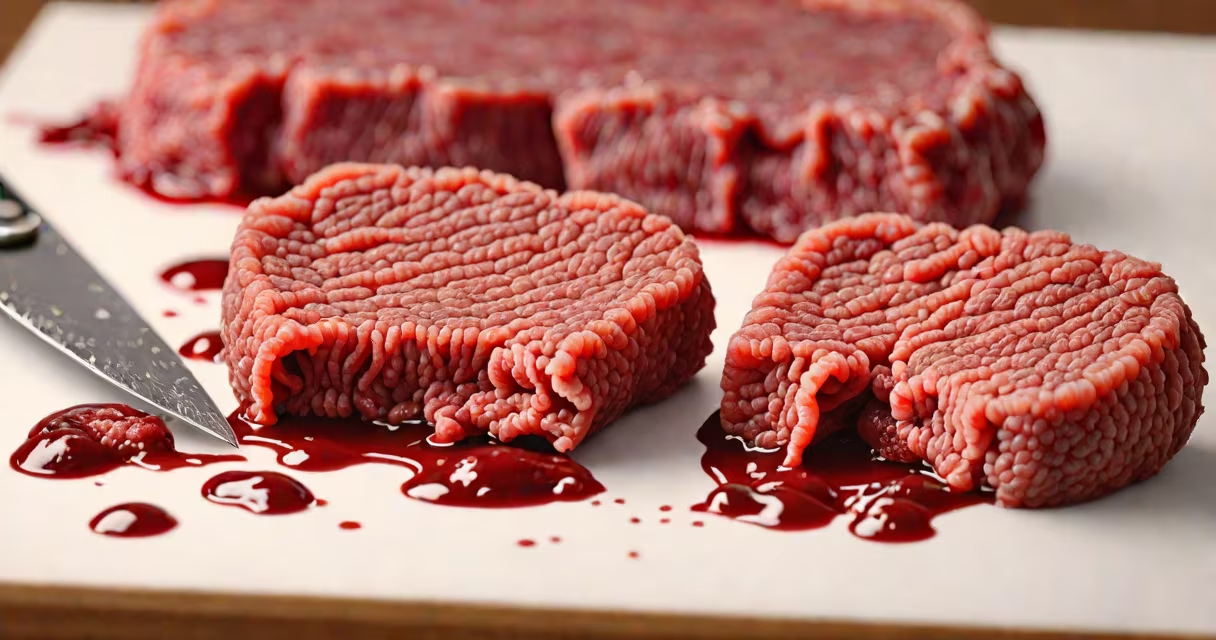
E. coli infection occurs when pathogenic strains of Escherichia coli enter the digestive tract, typically through ingestion of contaminated food, water, or direct contact with infected individuals or animals. The most common routes involve undercooked beef, unpasteurized dairy, contaminated produce, or exposure to fecal matter in settings like farms or daycare centers.
Pathogenic E. coli strains such as O157:H7 produce Shiga toxin, which damages intestinal lining cells and can lead to hemolytic uremic syndrome (HUS), a life-threatening condition affecting kidneys. These bacteria thrive in warm environments and survive standard refrigeration temperatures, making proper cooking and hygiene essential.
The Centers for Disease Control and Prevention (CDC) reports that approximately 265,000 E. coli infections occur annually in the United States, with around 3,000 hospitalizations and 30 deaths. Most cases stem from foodborne sources, though person-to-person spread in communal settings remains a documented risk.
Contamination happens when E. coli from animal intestines enters human food or water supplies. The bacterium itself is harmless in healthy humans' guts, but certain strains-especially those producing Shiga toxin-are dangerous when ingested externally.
Foodborne transmission accounts for roughly 70% of E. coli cases. Ground beef is a frequent culprit because grinding mixes surface bacteria throughout the meat. A 2018 outbreak traced to romaine lettuce linked to irrigation water contaminated by cattle runoff sickened 210 people across 36 states, according to the FDA.
Waterborne transmission occurs when recreational or drinking water becomes tainted with fecal matter. In 2019, a swimming pool in a public park in Ohio was closed after testing positive for E. coli due to improper chlorination and runoff from nearby farmland.
| Transmission Route | Common Source | Incidence Rate (U.S.) |
|---|---|---|
| Undercooked beef | Grilled burgers, meatloaf | ~40% |
| Raw produce | Romaine, spinach, sprouts | ~25% |
| Unpasteurized dairy | Raw milk, soft cheeses | ~10% |
| Person-to-person | Daycare centers, homes | ~5% |
| Recreational water | Pools, lakes, fountains | ~10% |
Animal contact is another vector. Petting zoos and farm visits have led to outbreaks when children touched animals and then put hands in their mouths. In 2021, a Minnesota county fair resulted in 18 confirmed E. coli cases among attendees who visited the goat pen.
Many assume E. coli only comes from spoiled or rotten food. This is incorrect. The bacteria can be present in fresh, unspoiled items. A 2020 study published in *Clinical Infectious Diseases* found that 12% of raw chicken samples from grocery stores contained Shiga toxin-producing E. coli, despite no visible signs of spoilage.
Another misconception is that boiling water kills all E. coli. While heat destroys most pathogens, some strains can survive brief boiling if they're protected within biofilms or particulates. The CDC recommends boiling water for at least one minute at sea level to ensure safety.
A lesser-known fact: E. coli can persist in soil for up to 120 days after manure application. This explains why leafy greens grown near livestock operations carry higher contamination risks-even if irrigation water appears clean.
In September 2018, the CDC issued a nationwide alert after 210 people across 36 states fell ill with E. coli O157:H7. Symptoms included severe abdominal cramps, bloody diarrhea, and vomiting. Twenty-eight required hospitalization, and five developed HUS.
Investigation traced the source to romaine lettuce grown in Yuma, Arizona. Water used for irrigation had been diverted from a canal that ran near cattle feedlots. Genetic analysis showed the strain matched E. coli isolated from cattle in the area, confirming environmental runoff as the transmission pathway.
Producers recalled all romaine from the region. Retailers pulled inventory. Consumers were advised to discard any romaine lettuce purchased between August 1 and September 15. The outbreak lasted six weeks and cost the industry an estimated $12 million in lost sales.
Preventing E. coli infection involves careful handling of food and water. Wash hands thoroughly after using the bathroom, changing diapers, or touching animals. Cook ground beef to an internal temperature of 160°F (71°C) and avoid cross-contamination between raw meat and vegetables.
When shopping, avoid produce with bruises or damaged packaging. Do not consume unpasteurized milk or juice. Always wash fruits and vegetables under running water-even if labeled "pre-washed."
If symptoms develop-such as watery or bloody diarrhea, fever, or persistent cramping-seek medical care promptly. Avoid antidiarrheals unless directed by a doctor, as they may prolong toxin exposure. Managing E. coli symptoms focuses on hydration and rest, not antibiotics, which can increase HUS risk.
For long-term concerns, especially in households with young children or immunocompromised individuals, consider testing well water annually. The EPA sets maximum contaminant levels for E. coli in drinking water at zero colony-forming units per 100 mL.
During a 2022 outbreak at a university dining hall, students reported illness after eating salad bars containing locally sourced kale. Testing revealed E. coli O157:H7 in the irrigation system feeding the farm. The campus implemented daily water quality checks and banned raw leafy greens until further notice.
Knowing how you contract E. coli reduces risk. Focus on safe food prep, clean water, and hygiene. When in doubt, throw it out. The consequences of ignoring transmission pathways can be severe.