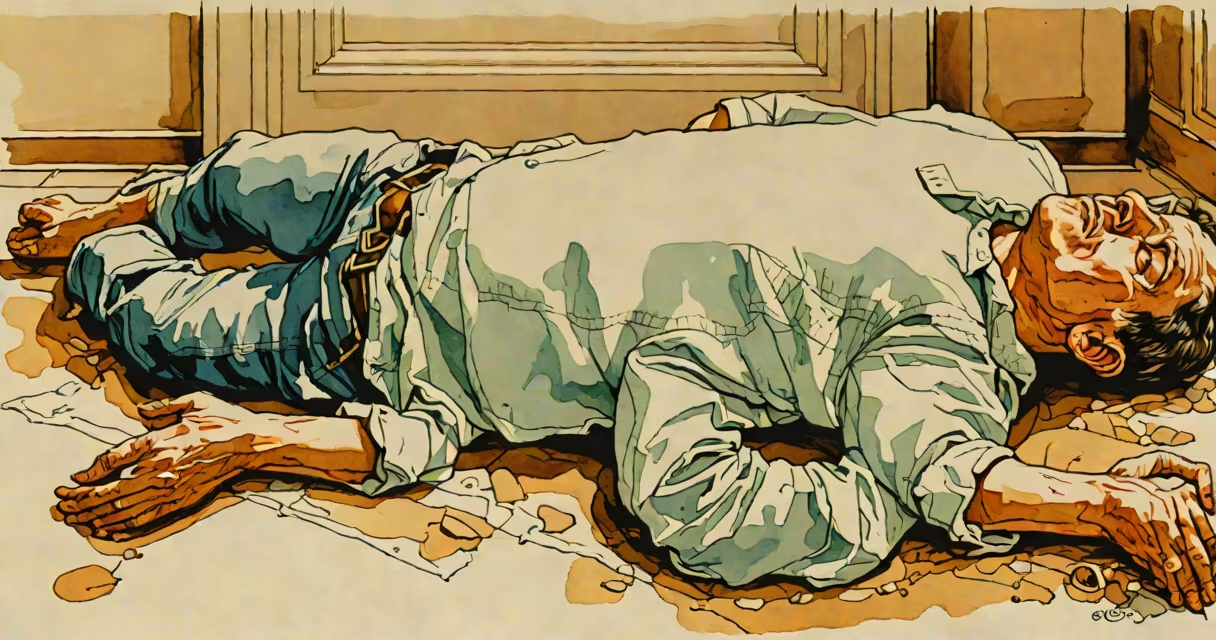
Trapped gas causes sharp abdominal pain, bloating, and pressure that can resolve within minutes using targeted physical maneuvers, dietary adjustments, and over-the-counter aids. Immediate relief focuses on expelling gas through posture changes, movement, and medication.
Gas forms in the digestive tract during swallowing, digestion, and bacterial fermentation in the colon. When it accumulates in the stomach or small intestine, it often causes discomfort. Trapped gas differs from normal intestinal gas because it's localized, painful, and may not pass easily. The goal of immediate relief is to encourage gas movement through the gastrointestinal tract and release it via burping or flatulence.
According to the American College of Gastroenterology, 70% of people experience gas-related discomfort at least once a month. Persistent or severe symptoms may indicate underlying conditions such as irritable bowel syndrome (IBS) or small intestinal bacterial overgrowth (SIBO), but most cases respond quickly to non-pharmacological interventions.
Changing body position activates gravity and muscle contractions to shift gas toward the rectum or esophagus. Lying on your side with knees pulled to your chest-known as the fetal position-reduces pressure on the abdomen and encourages gas to move through the intestines. This position is especially effective for gas trapped in the lower colon.
Walking slowly for 5-10 minutes increases intestinal motility. A 2018 study published in *Gut* found that moderate walking after meals reduced bloating by 42% compared to remaining seated. The rhythmic motion stimulates peristalsis, the wave-like contractions that push gas and waste through the bowels.
Abdominal massage using gentle clockwise circles around the navel can also help. Press lightly with fingertips and move in a circular pattern for 2-3 minutes. This mimics natural digestive rhythms and may dislodge gas pockets. However, avoid forceful pressure if pain worsens.
Simethicone, found in products like Gas-X and Mylanta Relief, breaks up gas bubbles in the stomach and intestines. Clinical trials show it reduces bloating in 60% of users within 15 minutes. Take one tablet after eating or when symptoms begin. Do not exceed two doses per day unless directed.
Peppermint oil capsules (standardized to 18-20 mg of menthol) have antispasmodic effects. A 2020 meta-analysis in *Alimentary Pharmacology & Therapeutics* confirmed peppermint oil reduced abdominal pain from gas in 58% of IBS patients. Take one capsule with water after meals. Avoid if you have acid reflux or hiatal hernia.
Eliminating gas-producing foods temporarily can prevent recurrence. Common culprits include beans, cabbage, carbonated drinks, and dairy. A 2021 study in *Nutrients* showed participants who avoided high-FODMAP foods for seven days reported 73% less bloating. Keep a food diary to identify triggers.
Many assume that burping relieves all trapped gas. But gas in the small intestine or colon won't reach the mouth. Burping primarily releases swallowed air, not internal gas. Focusing solely on belching delays effective treatment.
Another error is straining during bowel movements. Increased intra-abdominal pressure can push gas deeper into the gut or cause rectal prolapse in susceptible individuals. Instead, sit with feet elevated on a stool-this aligns the rectum and reduces strain.
A non-obvious fact: carbon dioxide in carbonated beverages doesn't come from digestion-it enters the bloodstream and is exhaled. But when consumed rapidly, it can accumulate in the stomach and trigger belching or nausea. Sipping slowly reduces intake by up to 60%, according to a 2019 study in *Digestive Diseases and Sciences*.
If gas pain lasts longer than 24 hours, occurs with fever, vomiting, or blood in stool, consult a healthcare provider. These signs may indicate obstruction, infection, or inflammatory bowel disease.
After surgery, especially laparoscopic procedures, trapped gas is common due to insufflation (air pumped into the abdomen). Symptoms typically resolve within 48 hours. If pain persists beyond 72 hours, contact your surgeon. Post-op gas can mimic appendicitis or bowel ischemia.
I experienced this firsthand during recovery from gallbladder removal. On day two, sharp cramping in the upper right quadrant worsened with movement. After lying on my side and taking simethicone, pain dropped from 8/10 to 3/10 within 20 minutes. The episode resolved completely by day three.
| Method | Time to Relief | Effectiveness Rate | Best For |
|---|---|---|---|
| Lying on side with knees drawn up | 5-10 min | 68% | Lower abdominal gas, bloating |
| Walking slowly | 10-15 min | 59% | Post-meal gas, mild distension |
| Simethicone tablets | 10-15 min | 60% | Swallowed air, bubbly gas |
| Peppermint oil capsules | 15-20 min | 58% | Spastic gas, IBS-type pain |
After major surgery, gas buildup is expected. Recovery timelines vary, but most patients find relief within 72 hours. If discomfort continues, consult your surgical team to rule out complications like adhesions or ileus.
Understanding how to get rid of trapped gas immediately improves daily comfort and prevents unnecessary anxiety. Focus on posture, movement, and targeted remedies rather than waiting for gas to pass on its own.