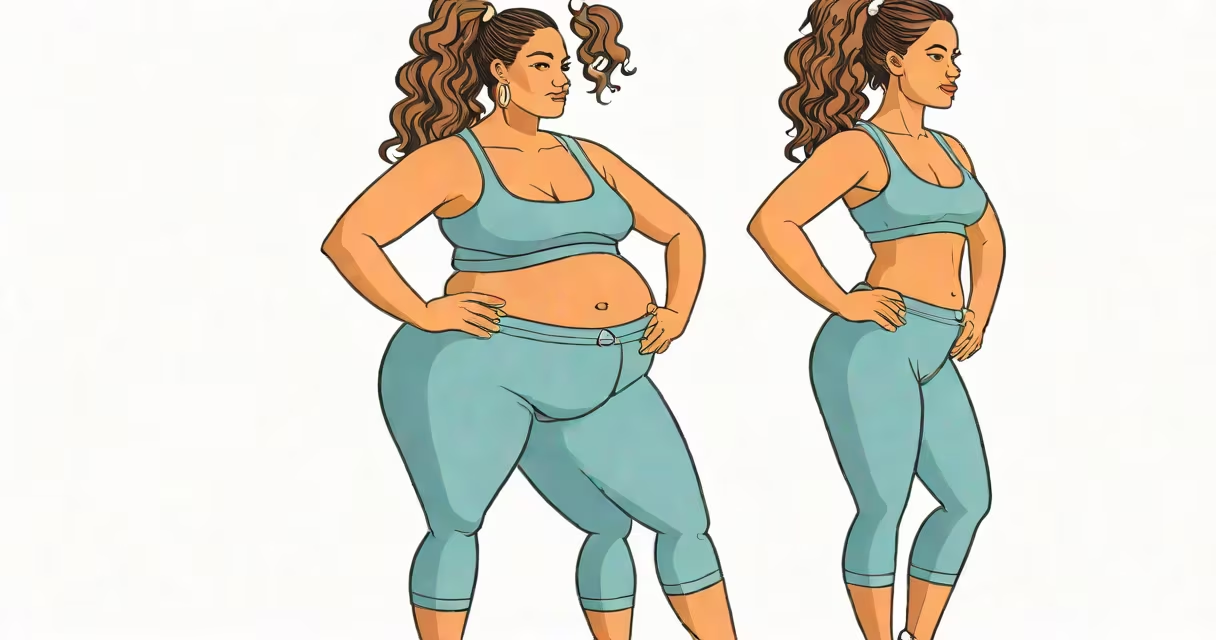
Losing weight around your waist involves reducing visceral fat-the deep abdominal fat surrounding organs-through sustained calorie deficit, strength training, and consistent cardiovascular exercise. This process improves metabolic health and reduces long-term disease risk.
Visceral fat is metabolically active and linked to insulin resistance, heart disease, and type 2 diabetes. Unlike subcutaneous fat (the pinchable layer under the skin), visceral fat doesn't respond to spot reduction. You cannot "burn" belly fat in isolation. Instead, fat loss occurs systemically when energy intake consistently falls below expenditure.
According to the American Council on Exercise (ACE), fat loss happens throughout the body in response to caloric restriction and physical activity. A 2021 study published in Obesity found that participants who combined aerobic exercise with resistance training lost 16% more visceral fat than those doing either alone.
When you create a calorie deficit-eating fewer calories than your body burns-it taps into stored fat for fuel. Fat cells release fatty acids into the bloodstream. These are transported to muscles and organs, where they're burned for energy. The location of fat loss varies by individual due to genetics, hormones, and age.
For example, a 40-year-old woman with high cortisol levels may store more fat in the abdomen. Cortisol increases appetite and promotes visceral fat deposition. Reducing stress through sleep and mindfulness can support fat loss, especially around the waist.
Research from Harvard Medical School shows that people who lose weight through diet and exercise see reductions in visceral fat even if their weight change is modest. One study tracked 120 adults over 12 weeks: participants lost an average of 2.8 inches from their waistlines despite only losing 5% of body weight.
Diet drives 70-80% of weight loss outcomes. Focus on whole foods: vegetables, lean proteins, healthy fats, and complex carbohydrates. Avoid added sugars and ultra-processed snacks-they spike insulin and promote fat storage in the abdomen.
A 2022 review in Frontiers in Nutrition confirmed that high-protein diets improve satiety and preserve muscle mass during fat loss. Participants consuming 1.6 grams of protein per kilogram of body weight daily lost more visceral fat than those on lower-protein plans.
Resistance training builds muscle, which increases resting metabolic rate. Perform compound movements like squats, deadlifts, and push-ups 2-3 times weekly. These stimulate hormone release (testosterone, growth hormone) that supports fat burning.
Cardiovascular exercise-such as brisk walking, cycling, or swimming-burns calories and improves insulin sensitivity. The American Heart Association recommends 150 minutes of moderate-intensity cardio per week. A 2020 study found that 30-minute sessions five days a week reduced waist circumference by 2.5 inches over 16 weeks.
| Factor | Recommended Action | Scientific Support |
|---|---|---|
| Diet | Reduce added sugar; increase protein and fiber | Frontiers in Nutrition, 2022: High-protein diets reduce visceral fat |
| Cardio | 150 min/week moderate intensity | Journal of the American Heart Association, 2020: 16-week program reduced waist size |
| Strength Training | 2-3 sessions/week targeting major muscle groups | Obesity, 2021: Combined training increased visceral fat loss by 16% |
Many assume that crunches or ab rollers eliminate belly fat. This is incorrect. Ab exercises strengthen the rectus abdominis but do not burn visceral fat. A 2019 study in Medicine & Science in Sports & Exercise showed that participants doing 100 crunches daily saw no change in waist circumference or visceral fat volume.
Another myth is that rapid weight loss leads to faster belly fat reduction. In reality, quick losses often come from water and muscle, not fat. A sustainable rate is 0.5-1 kg (1-2 lbs) per week. Losing more than that increases risk of rebound weight gain and metabolic slowdown.
Non-obvious fact: Waist-to-hip ratio matters more than waist size alone. A waist measurement above 35 inches for women or 40 inches for men indicates higher health risks-even if BMI is normal. The National Institutes of Health (NIH) uses this metric to assess cardiometabolic risk.
Consider a 38-year-old man weighing 95 kg (210 lbs) with a waist of 102 cm (40 inches). He begins a structured plan:
After 12 weeks, he loses 8.5 kg (18.7 lbs), with a waist reduction of 11 cm (4.3 inches). His visceral fat decreased by 32%, according to DEXA scan results. He reports improved energy and better sleep quality.
This outcome reflects real-world effectiveness: fat loss is not immediate, but consistent effort yields measurable results. Progress is not linear-some weeks show less change, but long-term adherence produces lasting change.
Remember: losing weight around your waist is not about aesthetics. It's about improving internal health. Lower visceral fat reduces inflammation, improves blood pressure, and enhances insulin function. The goal is not just a smaller waist-it's a healthier life.