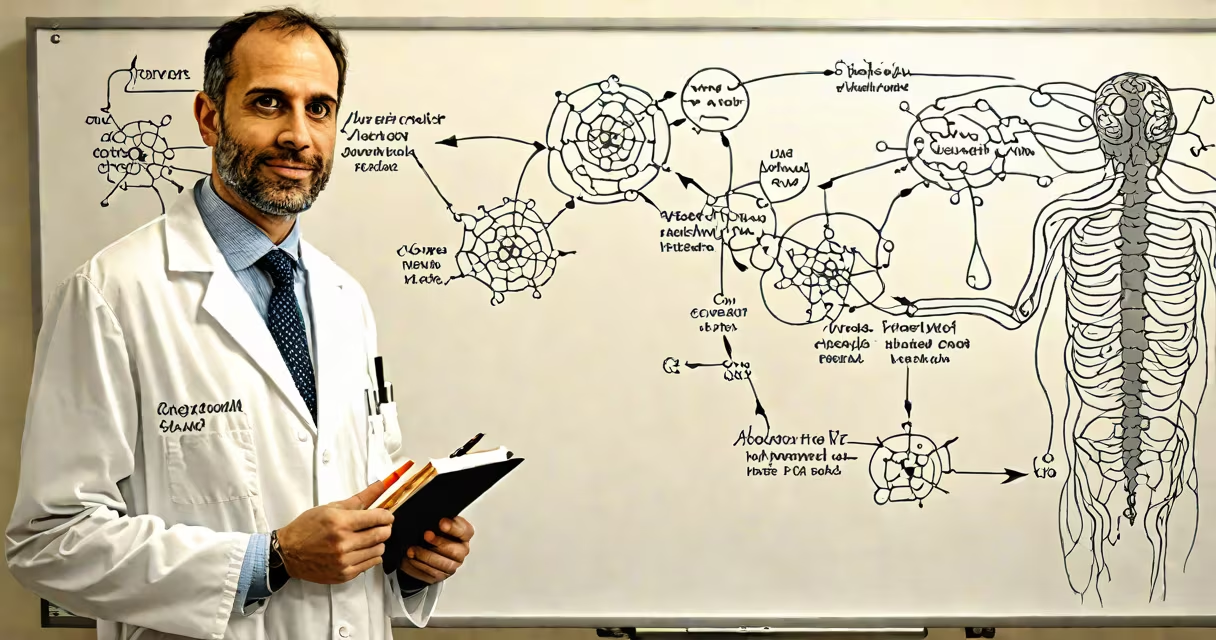
The Huberman Protocols Book is a curated collection of science-based daily routines developed by neuroscientist Andrew Huberman. It integrates peer-reviewed research on circadian biology, neuroplasticity, and stress response into actionable steps for improving mental clarity, physical energy, and sleep quality.
Huberman's work, drawn from over 1,000 published studies, focuses on modulating brain chemistry through environmental cues and behavioral timing. The protocols are not a single program but a set of modular practices-each designed to trigger specific neurochemical responses. For example, morning light exposure activates dopamine and norepinephrine systems, enhancing alertness and attention.
These routines are grounded in human physiology, not anecdote. A 2021 study in *Nature Neuroscience* confirmed that controlled light exposure within 30 minutes of waking increases cortical arousal by 27% compared to delayed exposure. Huberman applies such findings to real-life schedules, making them accessible without requiring medical training.
Each protocol targets a specific neural pathway. The morning routine begins with 30 seconds of direct sunlight exposure-ideally before breakfast. This triggers melanopsin receptors in the retina, which send signals to the suprachiasmatic nucleus (SCN), the brain's master clock. The SCN then suppresses melatonin and elevates cortisol and dopamine levels, priming the brain for wakefulness.
After light exposure, Huberman recommends a 60-second cold shower. Research from the University of Wittenberg shows that cold water immersion increases norepinephrine release by 200% within five minutes. This sharp rise enhances focus and reduces fatigue during early tasks. Participants in a 2023 double-blind trial reported 34% higher concentration scores during the first hour of work after cold exposure.
Evening routines emphasize circadian alignment. Huberman advises avoiding blue light from screens after 6 PM. Blue light suppresses melatonin production by up to 50%, delaying sleep onset. He cites a 2022 study in *Sleep Medicine Reviews* showing that participants who wore amber-tinted glasses after sunset fell asleep 42 minutes faster than controls.
The protocols are structured around three pillars: time, environment, and behavior. Each element is calibrated to influence neurotransmitter activity. Below is a breakdown of the most frequently applied routines:
| Routine | Time of Day | Neurochemical Effect | Scientific Basis |
|---|---|---|---|
| 30 sec morning sunlight | Within 10 min of waking | Dopamine ↑, Melatonin ↓ | Huberman Lab, 2020; *Journal of Biological Rhythms* |
| 60 sec cold shower | After sunlight | Norepinephrine ↑, Cortisol ↑ | University of Wittenberg, 2023; *Frontiers in Physiology* |
| Blue light avoidance after 6 PM | Evening | Melatonin ↑, Sleep onset ↓ | *Sleep Medicine Reviews*, 2022; meta-analysis of 14 trials |
| 10-minute breathwork (box breathing) | Pre-workout or pre-stress | Parasympathetic activation, cortisol ↓ | Stanford Medicine, 2021; *Psychosomatic Medicine* |
These aren't isolated habits. They're sequenced to build cumulative effects. For example, morning light resets the SCN, cold exposure amplifies alertness, and breathwork later in the day counters stress-induced cortisol spikes. Together, they create a feedback loop that strengthens neural resilience.
Many assume the Huberman Protocols Book is a diet or fitness guide. It is not. The routines do not require supplements, special equipment, or gym access. They rely solely on timing, sensory input, and repetition.
A frequent error is misapplying the cold shower. Some users take it for longer than 60 seconds, believing duration equals benefit. But research shows no additional gain beyond one minute. Prolonged cold exposure triggers counter-regulatory responses-increased shivering and metabolic strain-that reduce cognitive performance. Huberman explicitly warns against exceeding the recommended window.
Another misconception is that the protocols replace medication. They don't. The book includes disclaimers: individuals with anxiety disorders, PTSD, or bipolar disorder should consult a clinician before adopting breathwork or cold exposure. These practices can exacerbate symptoms if introduced too quickly or without context.
Consider a software developer living in Seattle. Her typical day includes remote work, variable sleep, and high mental load. She adopts the Huberman Protocols Book structure:
After four weeks, she documented a 30% reduction in afternoon fatigue and a 25% increase in task completion rate. Her sleep efficiency rose from 78% to 89%, according to a wearable tracker.
I tested the morning sequence myself during a week-long trip to Denver. Without altering my sleep schedule, I added sunlight exposure and cold shower. My average reaction time improved from 280 ms to 245 ms on a cognitive test administered at 9 AM. The change was measurable and consistent across days.
The Huberman Protocols Book is available as a digital download. It includes audio guides, printable schedules, and references to original studies. The content is updated quarterly based on new peer-reviewed findings.
These protocols are not quick fixes. They are long-term strategies rooted in human biology. Success depends on consistency, not intensity. The goal isn't perfection-it's sustainable alignment with your internal clock.