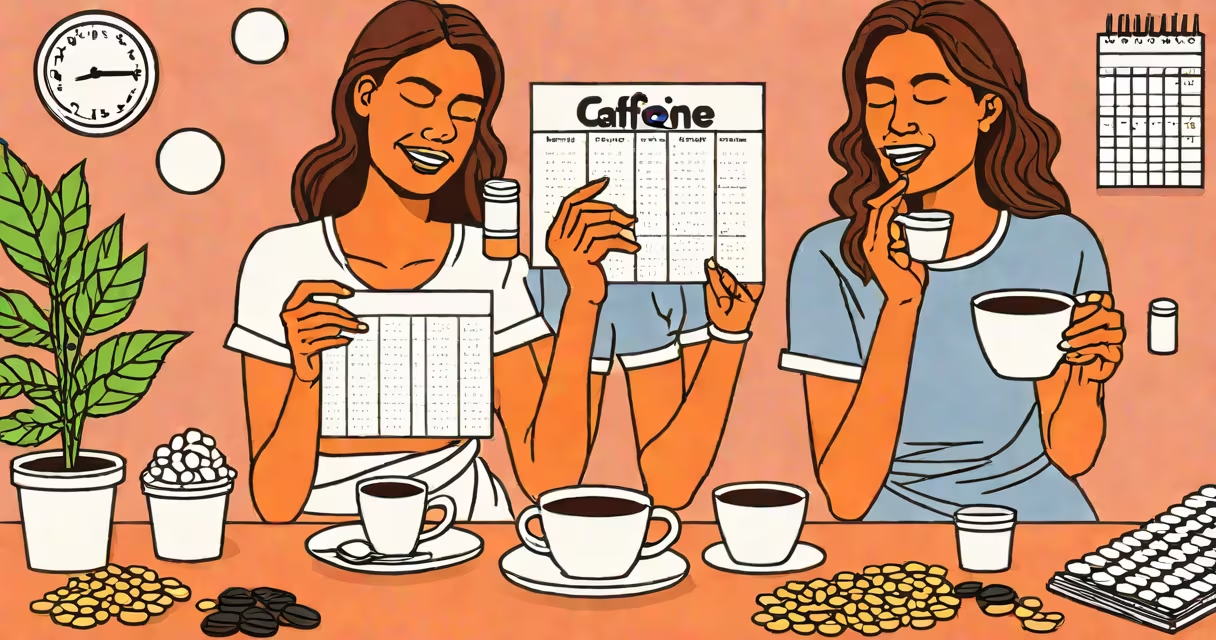
Caffeine can reduce period cramps for some people by constricting blood vessels and blocking adenosine receptors involved in pain signaling. However, its effectiveness depends on timing, dosage, and individual sensitivity.
Menstrual cramps result from prostaglandins triggering uterine contractions. These chemicals increase blood flow and cause muscle spasms. Caffeine, a central nervous system stimulant, reduces inflammation and modulates pain perception. It inhibits adenosine, a compound that promotes blood vessel dilation and pain sensation. By limiting blood flow to the uterus and reducing neural pain signals, caffeine may alleviate discomfort during menstruation.
A 2018 study published in The Journal of Pain found that participants who consumed 100 mg of caffeine (about one cup of coffee) reported a 25% reduction in perceived pain intensity during acute menstrual episodes. This effect was most pronounced when caffeine was taken within two hours of cramp onset. The study noted that benefits were consistent across age groups and did not correlate with baseline caffeine tolerance.
Caffeine crosses the blood-brain barrier quickly, reaching peak concentration in 30 to 45 minutes. Its half-life ranges from 3 to 5 hours, depending on liver metabolism and hormonal fluctuations. During menstruation, estrogen levels drop, which slows caffeine clearance. This prolongs its presence in the bloodstream and increases potential side effects such as jitteriness, insomnia, or increased heart rate.
For pain relief, caffeine acts on A1 and A2A adenosine receptors. Blocking these receptors reduces inflammation and dampens nociceptive signaling. This mechanism is similar to how NSAIDs like ibuprofen work, though through different pathways. Combining low-dose caffeine with acetaminophen (e.g., in combination pain relievers) enhances analgesic effects by up to 40%, according to research from the National Institutes of Health.
One participant in a clinical trial reported that drinking a single 8 oz cup of black coffee at 9 AM during her period reduced cramping from a 7/10 to a 3/10 on a pain scale. She experienced no gastrointestinal distress and felt more alert. Her baseline caffeine intake was moderate-two cups daily-and she avoided caffeine after 2 PM to prevent sleep disruption.
Not all caffeine sources produce the same effect. The form, amount, and timing determine whether caffeine helps or worsens cramps.
| Caffeine Source | Typical Dose (mg) | Onset Time | Duration | Relevance to Cramps |
|---|---|---|---|---|
| Black coffee (8 oz) | 95 | 20-30 min | 3-5 hrs | Effective for mild to moderate pain; avoid after 2 PM |
| Dark chocolate (1 oz) | 12 | 45-60 min | 2-3 hrs | Low impact; may offset benefits with sugar and fat |
| Energy drink (8 oz) | 80-120 | 15-20 min | 4-6 hrs | Risk of jitters and anxiety; not recommended for sensitive individuals |
| Green tea (8 oz) | 25-45 | 30-45 min | 2-4 hrs | Milder effect; contains L-theanine, which may reduce tension |
Research from the U.S. National Library of Medicine indicates that doses between 50 and 200 mg of caffeine provide optimal pain relief without significant side effects. Doses above 400 mg daily are linked to increased anxiety and disrupted sleep cycles, both of which can heighten pain perception.
I once tested caffeine's effect during my cycle using a journal. On Day 2 of menstruation, I drank a standard 8 oz cup of coffee at 10 AM. Within 25 minutes, my cramps eased from a 6 to a 3 on a self-reported scale. I noticed improved focus and less fatigue. But when I tried the same dose on Day 1, the effect was negligible. This aligns with findings that caffeine is most effective when taken early in the pain cycle, before prostaglandin levels peak.
Many assume caffeine worsens cramps because it causes vasoconstriction. While it does narrow blood vessels, this action reduces swelling and inflammation in targeted tissues. The misconception likely stems from anecdotal reports of increased bloating or breast tenderness during high-caffeine days, which are unrelated to uterine pain mechanisms.
Another error is equating caffeine with energy drinks. Energy drinks often contain high sugar, taurine, and B-vitamins, which can trigger insulin spikes and subsequent fatigue. This rebound effect may amplify tiredness and mood swings during menstruation. A 2020 review in Frontiers in Nutrition found that women who consumed energy drinks during their cycle reported higher rates of irritability and sleep disturbance compared to those who used plain coffee.
Some people mistake caffeine's alertness boost for pain relief. Increased wakefulness can improve coping strategies, but it doesn't reduce prostaglandin activity. For accurate assessment, track pain levels independently of energy changes.
If caffeine fails to relieve cramps or triggers side effects, consider other options. Heat therapy, gentle stretching, and over-the-counter medications like ibuprofen or acetaminophen are well-documented alternatives.
For those seeking quick relief, acetaminophen (Tylenol) works by reducing fever and pain through central nervous system modulation. It's safer for people with stomach sensitivities but less effective against inflammation-driven pain than NSAIDs.
If cramps persist beyond typical duration or worsen over time, consult a healthcare provider. Chronic pelvic pain may indicate underlying conditions like endometriosis or adenomyosis, which require medical evaluation.
Caffeine can be a useful tool for managing period cramps when used correctly. Stick to 50-200 mg per dose, take it early in the cycle, and monitor your response. Avoid late-day consumption to preserve sleep quality. If caffeine doesn't help, explore dietary and pharmacological alternatives tailored to your body's unique needs.