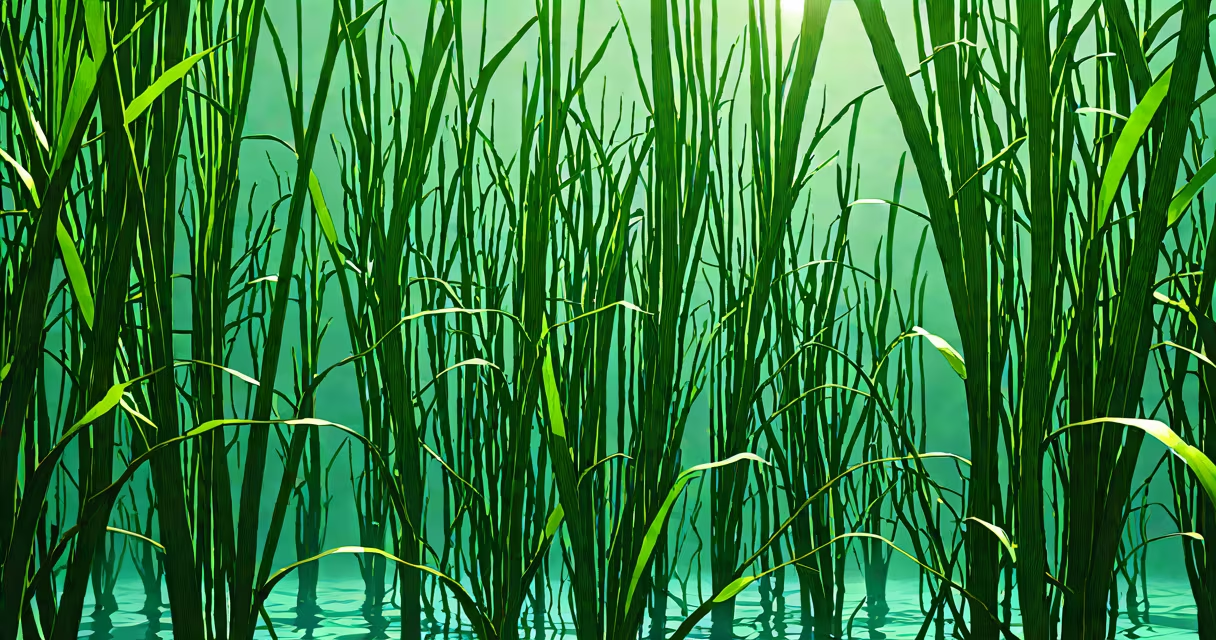
Kelp is a large, multicellular brown algae that grows in underwater forests along temperate and polar coastlines. It anchors to rocky substrates and can reach heights of over 60 meters, forming dense ecosystems that support diverse marine life.
Kelp belongs to the order Laminariales and includes species such as giant kelp (Macrocystis pyrifera), bull kelp (Nereocystis luetkeana), and sugar kelp (Saccharina latissima). These organisms are not plants-they lack roots, stems, and leaves in the botanical sense-but they perform photosynthesis using chlorophyll a and c, enabling them to grow rapidly in nutrient-rich waters.
Found primarily in cold, shallow coastal regions, kelp thrives where sunlight penetrates the water column and nutrients are abundant. Its growth rate averages 30 to 60 centimeters per day during peak seasons, making it one of the fastest-growing organisms on Earth. This rapid growth allows kelp to sequester significant amounts of carbon dioxide-up to 120 grams of carbon per square meter annually-contributing to climate regulation.
Kelp reproduces via spores released from specialized reproductive structures called sporophylls. These spores settle on hard surfaces and develop into microscopic gametophytes, which produce gametes. Fertilization leads to the formation of a new sporophyte-the mature kelp plant-completing the alternation of generations typical of algae.
The structure of kelp includes a holdfast, which anchors it to rocks; a stipe, which functions like a stem; and blades, which are flat, leaf-like structures responsible for photosynthesis. Gas-filled bladders called pneumatocysts float near the blade tips, helping keep the kelp upright and exposed to sunlight.
A single kelp forest can host over 100 species of fish, invertebrates, and marine mammals. For example, the California sea otter relies heavily on kelp forests for shelter and hunting grounds. Without kelp, many of these species face habitat loss and population decline.
Different kelp species adapt to specific environmental conditions. The following table outlines major kelp types based on geography, physical traits, and ecological roles.
| Species | Common Name | Region | Height Range | Key Use |
|---|---|---|---|---|
| Macrocystis pyrifera | Giant kelp | California, Chile, South Africa | 15-60 m | Marine habitat, bioremediation |
| Nereocystis luetkeana | Bull kelp | Pacific Northwest, Alaska | 10-20 m | Coastal protection, aquaculture feed |
| Saccharina latissima | Sugar kelp | North Atlantic, Arctic | 1-2 m | Food, fertilizer, biofuels |
| Laminaria digitata | Sea oak | North Atlantic, UK | 1-2 m | Traditional food, phycocolloid extraction |
Some kelp species have high concentrations of iodine, fucoidan, and alginates-compounds used in medicine and industry. For instance, alginate extracted from kelp is used in dental impressions and wound dressings due to its gelling properties.
Kelp is cultivated commercially in countries including China, Korea, Japan, and Norway. Global kelp production exceeds 20 million dry metric tons annually, with China accounting for over 80% of output. Harvesting methods include hand-cutting and mechanical harvesting, though sustainable practices prioritize leaving enough biomass to maintain system function.
In food systems, kelp is consumed fresh, dried, or processed into products like kelp noodles, seaweed snacks, and dashi broth. A 100-gram serving of dried kelp contains approximately 1,000 micrograms of iodine-well above the recommended daily intake of 150 micrograms for adults. Excessive consumption can lead to thyroid dysfunction, so moderation is advised.
Environmental applications include kelp's role in carbon sequestration. A 2021 study published in *Nature Communications* estimated that kelp forests globally remove about 17 million tons of CO₂ per year. Some researchers are exploring "kelp farming for blue carbon" as a nature-based solution to climate change, though long-term storage depends on whether harvested kelp sinks to deep-sea sediments or decomposes near the surface.
Many confuse kelp with other seaweeds like red algae (e.g., nori) or green algae (e.g., sea lettuce). While all are macroalgae, kelp is distinct in size, structure, and ecological impact. Unlike small, filamentous green algae, kelp forms complex, three-dimensional habitats that stabilize coastlines and reduce wave energy.
Another misconception is that kelp farming replaces coral reefs. Kelp forests and coral reefs are separate ecosystems. Coral reefs form in warm tropical waters; kelp forests dominate cooler, temperate zones. They do not overlap geographically and serve different ecological functions.
A less obvious point: kelp does not require soil or freshwater. It absorbs nutrients directly from seawater through its blade surface. This makes kelp cultivation low-input and suitable for integration with shellfish farming in offshore aquaculture systems. In Norway, integrated multi-trophic aquaculture (IMTA) combines salmon pens with kelp farms to recycle nitrogen and phosphorus waste, reducing eutrophication risks.
In 2019, the University of Maine launched a pilot project to grow sugar kelp (Saccharina latissima) in the Gulf of Maine. Farmers deployed longlines suspended 10 meters below the surface, with seedlings attached at intervals. After 12 weeks, average growth reached 1.2 meters per plant.
Harvested kelp was processed into dried flakes and sold to restaurants and health food stores. The project demonstrated that kelp farming could generate $3,000 per hectare annually while improving local water quality. Monitoring showed a 25% reduction in dissolved nitrogen levels within 50 meters of the farm site.
This model has since expanded to over 150 commercial farms across New England. The success of this initiative led to the inclusion of kelp in the U.S. Department of Agriculture's 2023 National Organic Standards, allowing kelp products to carry organic certification when grown under regulated conditions.
When considering kelp what is it, remember: it is not a plant, but a important marine organism that shapes ocean ecosystems, supports fisheries, and offers sustainable solutions for food, materials, and climate resilience. Its ecological and economic value continues to grow as global demand for renewable resources increases.