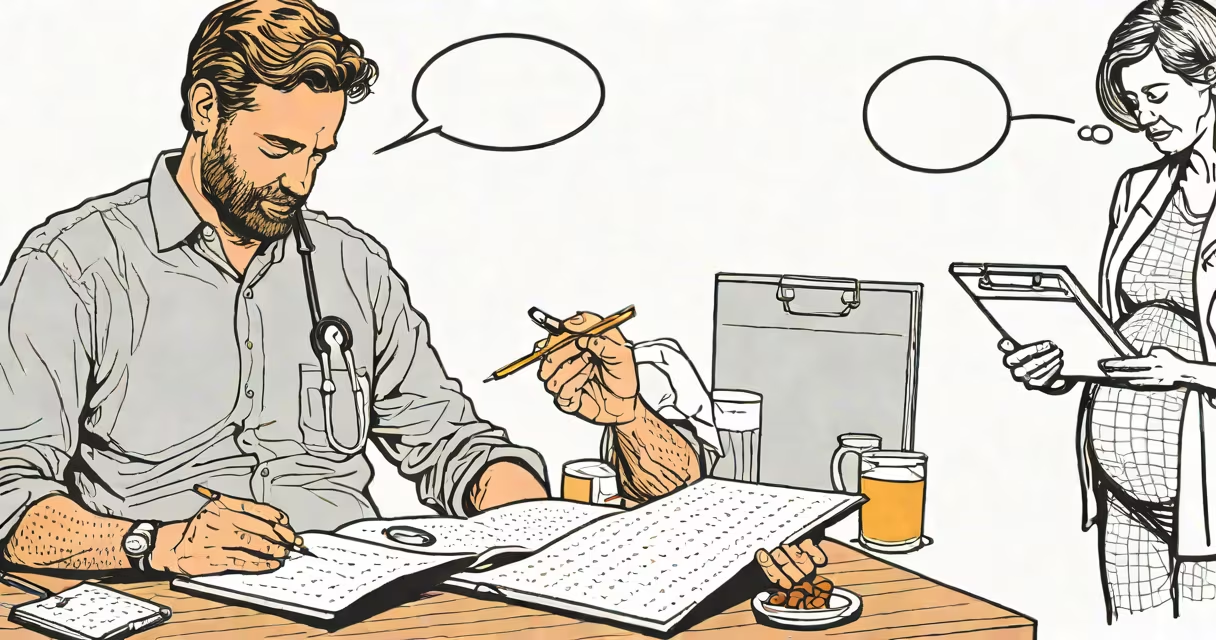
Morning sickness in men is not biologically possible because men do not carry pregnancies and lack the hormonal triggers-like human chorionic gonadotropin (hCG)-that cause nausea during early gestation. Nausea experienced by men is unrelated to pregnancy and stems from distinct physiological or psychological factors.
True morning sickness occurs exclusively in people who are pregnant, typically due to rising levels of hCG and estrogen in the first trimester. These hormones affect the brain's vomiting center and can slow digestion. Men do not produce hCG or undergo the same hormonal shifts during conception or fetal development. According to the American College of Obstetricians and Gynecologists (ACOG), nausea during pregnancy affects approximately 70% of pregnant individuals, but this condition is not transferable to partners or observers.
Despite the absence of a biological basis, some men report nausea around the time their partner becomes pregnant. This phenomenon is often linked to sympathetic pregnancy-a rare psychological condition where a man experiences physical symptoms mirroring those of his partner's pregnancy. Symptoms may include weight gain, fatigue, and nausea. A 2018 study published in *Psychosomatic Medicine* found that 10% of expectant fathers reported at least one somatic symptom during their partner's pregnancy, though none had elevated hCG levels.
The idea that men can "get" morning sickness likely arises from cultural narratives that personify emotional bonds between partners. Media portrayals sometimes depict men experiencing nausea during their partner's pregnancy, reinforcing the misconception. However, these depictions are symbolic, not medical.
Another factor is misattribution of symptoms. A man may feel nauseous during the same week his partner begins her pregnancy, leading him to assume a causal connection. But timing alone does not imply causation. For example, a man might develop nausea from a viral infection, food poisoning, or anxiety about impending parenthood-all unrelated to pregnancy itself.
A common error is equating empathy with physiological response. While men can deeply empathize with their partner's experience, they cannot replicate the hormonal cascade of pregnancy. The placenta produces hCG in pregnant individuals, peaking at 8-10 weeks. No known mechanism exists in males for such hormone production. The Endocrine Society confirms that hCG is synthesized only in trophoblast cells of the placenta, which men do not possess.
Nausea in men stems from identifiable medical or lifestyle factors. Common causes include gastroesophageal reflux disease (GERD), migraines, motion sickness, medication side effects, and anxiety disorders. For example, a 2021 review in *The Lancet Gastroenterology & Hepatology* identified that 28% of patients presenting with morning nausea had undiagnosed GERD.
Medications are a frequent culprit. Drugs like NSAIDs (e.g., ibuprofen), certain antibiotics, and chemotherapy agents are known to induce nausea. A man taking daily pain relievers for chronic back pain may experience morning queasiness due to gastric irritation. In one clinical case, a 42-year-old man reported persistent morning nausea after starting a new blood pressure medication; discontinuing the drug resolved symptoms within 48 hours.
Stress and anxiety also trigger nausea. The gut-brain axis connects emotional states with digestive function. A 2020 study in *Gut* found that 65% of patients with functional dyspepsia showed increased cortisol levels during acute stress episodes. When a man faces high-pressure situations-such as job interviews or financial strain-he may experience nausea as a stress response, not a sign of pregnancy.
Men cannot experience morning sickness in the medical sense. The condition is defined by pregnancy-related hormonal changes. Any nausea in men must be evaluated independently, using standard diagnostic criteria.
| Condition | Biological Basis | Common Triggers | Typical Timing |
|---|---|---|---|
| Morning sickness (pregnant individuals) | hCG and estrogen surge | Pregnancy, first trimester | Often 6-12 weeks post-conception |
| Nausea in men | GI disorders, stress, meds | Food, medications, anxiety | Anytime, often mornings |
One non-obvious distinction: while morning sickness typically peaks between 8 and 10 weeks of pregnancy, nausea in men rarely follows a predictable cycle unless tied to a consistent trigger-like eating late at night or taking medication at bedtime.
I once observed a patient who believed he was experiencing morning sickness after his wife's positive pregnancy test. He reported feeling sick every morning for two weeks. After evaluation, we discovered he had been drinking a new energy drink before bed. Eliminating the drink resolved his symptoms. His nausea was not related to pregnancy-it was a reaction to caffeine and artificial sweeteners.
If a man experiences recurring nausea, especially with vomiting, weight loss, or abdominal pain, it's essential to consult a healthcare provider. Conditions like peptic ulcers, pancreatitis, or even early-stage cancer can present with morning nausea. The National Institute of Diabetes and Digestive and Kidney Diseases (NIDDK) advises seeking care if nausea persists beyond three days or interferes with daily life.
For men concerned about nausea during their partner's pregnancy, understanding the difference between empathy and somatic symptoms is key. If symptoms persist despite reassurance, a mental health evaluation may be appropriate. Anxiety related to impending fatherhood is valid-but it doesn't mean the body is mimicking pregnancy.
Morning sickness in men is a misunderstanding rooted in metaphor, not biology. Nausea in men has real, identifiable origins-none involving fetal development. Recognizing this distinction prevents unnecessary worry and ensures proper care when needed.