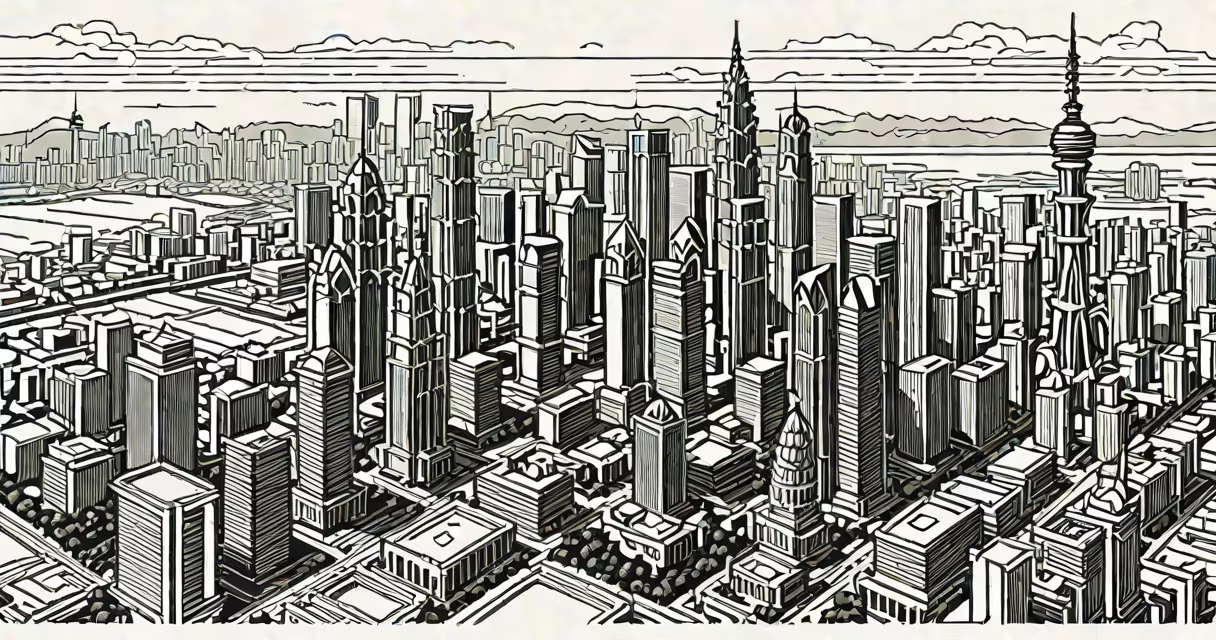
Kuala Lumpur tourist attractions include iconic landmarks like the Petronas Twin Towers, spiritual sites such as Batu Caves, and green spaces like KLCC Park. These sites draw over 10 million international visitors annually, blending modern architecture, ancient temples, and vibrant street life.
The city's core attractions span multiple eras and cultures. Colonial-era buildings stand beside futuristic skyscrapers. Religious sites coexist with shopping malls and food markets. This mix makes Kuala Lumpur a destination where history, faith, and urban energy intersect.
Many visitors expect only high-rises and shopping. But the most memorable experiences often come from lesser-known spots: a quiet temple courtyard, a rooftop café with city views, or a night market serving durian-stuffed pancakes. The city rewards curiosity.
Most tourist attractions operate on a model of public access with optional paid entry. Entry fees fund maintenance, security, and cultural preservation. Some sites charge extra for guided tours, audio guides, or photography permits.
For example, Batu Caves charges RM10 ($2.10 USD) for adults and RM5 ($1.05 USD) for children. The fee includes access to the cave complex and the Hindu shrine. Visitors may also pay separately for a guided tour through the 272-step staircase.
Public transit connects major sites. The LRT and MRT systems run from 6:00 AM to 11:00 PM daily. A single ride costs RM2.50. Many attractions offer free shuttle buses during peak hours. The KL Monorail links the city center to Bukit Bintang and the National Museum.
Attractions fall into four categories: architectural, religious, cultural, and recreational. Each serves a different purpose and appeals to distinct visitor interests.
| Type | Examples | Entry Fee (RM) | Best Time to Visit |
|---|---|---|---|
| Architectural | Petronas Twin Towers, KL Tower, Sultan Abdul Samad Building | 15-30 | Evening (for skyline views) |
| Religious | Batu Caves, Masjid Negara, Buddhist temples | 0-10 | Morning (for worship and quiet) |
| Cultural | National Museum, Central Market, Chinatown streets | 0-5 | Weekend mornings (for events) |
| Recreational | KLCC Park, Sunway Lagoon, Aquaria KLCC | 10-50 | Afternoon (for outdoor activities) |
Some sites blend categories. The National Mosque (Masjid Negara) is both a place of worship and a modern architectural landmark. Its 73-meter minaret and geometric design reflect Islamic art traditions while drawing global attention.
Another example: the Perdana Botanical Gardens. Though primarily a green space, it hosts the National Planetarium and the Royal Selangor Pewter Museum. This mix allows visitors to explore nature, science, and craftsmanship in one location.
Many travelers assume Kuala Lumpur is only about skyscrapers and shopping. That's only half the story. The city's identity lies in its layered diversity-Malay, Chinese, Indian, and indigenous influences shaped its neighborhoods, food, and festivals.
A common error is visiting Batu Caves during the Hindu festival of Thaipusam. The site sees 100,000+ pilgrims then. Crowds stretch for blocks. Entry lines exceed 90 minutes. Visitors expecting quiet reflection may find chaos instead. The best time to visit is early morning on a weekday.
Another misconception: all tourist attractions are safe. While crime rates are low, pickpockets operate near busy transit hubs. In 2022, police reported 180 incidents of petty theft at tourist sites. Most involved wallets or phones left unattended.
I once saw a traveler leave their backpack unattended at a food stall in Jalan Alor. Within 90 seconds, it was gone. The stall owner didn't see it happen. Police advised placing bags under seats or using anti-theft straps. Always stay aware.
Consider a typical day for a first-time visitor. They arrive at 8:00 AM at KLCC Park. The park opens at 6:00 AM. They walk past the fountain, take photos of the twin towers reflected in the water, and stop at a nearby coffee cart for a local brew-kopi O (sweetened black coffee).
At 10:00 AM, they enter the Petronas Towers' Skybridge. Tickets cost RM100 ($21 USD) and require advance booking. The bridge spans 58 meters between the 41st and 42nd floors. From there, visibility extends 360 degrees. On clear days, you can see Mount Kinabalu, 500 kilometers away.
By 1:00 PM, they're in Chinatown. They eat at a hawker stall-nasi lemak with sambal and fried anchovies. The meal costs RM12. Afterward, they walk through the alleyways, browsing for souvenirs. A silk scarf from a roadside vendor costs RM25.
At 6:00 PM, they head to Batu Caves. Entrance fee RM10. They climb the 272 steps, pass through the cave's mouth, and see the 42-foot golden statue of Lord Murugan. The air is cool, humid. The scent of incense lingers. They leave feeling calm, even if not religious.
This itinerary covers three major attraction types: architectural (Petronas), cultural (Chinatown), and religious (Batu Caves). It shows how each site contributes to a layered experience.
For context, the World Travel & Tourism Council reports that Kuala Lumpur ranked 14th globally for tourism revenue in 2023, generating $12.4 billion. The top five attractions account for 68% of all inbound visits. Petronas Towers alone drew 2.1 million visitors that year.
When planning, prioritize timing. Morning visits avoid crowds at religious sites. Late afternoon offers better light for photography. Avoid weekends at KLCC Park-families and school groups flood the area.
Understanding kuala lumpur tourist attractions begins with recognizing their variety. It ends with experiencing their rhythm-the pace of the city, the sound of prayers, the smell of street food. These details define the process more than any map or list.