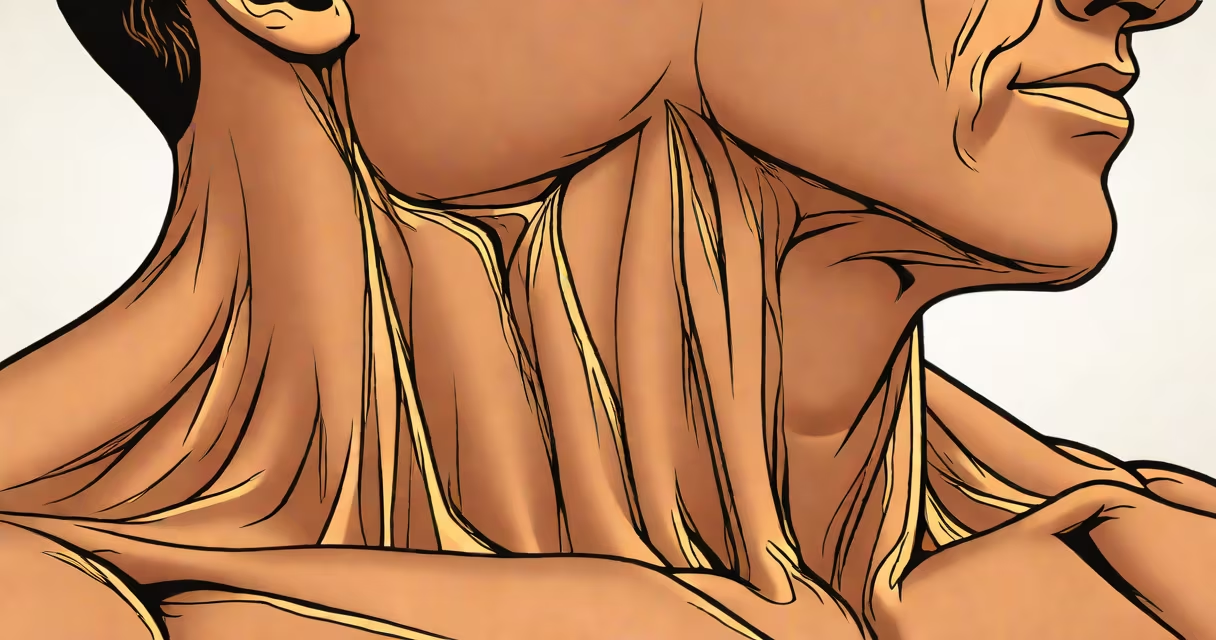
Visible muscle knots neck refer to palpable, firm nodules in the neck muscles-often in the trapezius or sternocleidomastoid-that form due to sustained muscle contraction, typically triggered by stress, poor posture, or repetitive strain. These knots may appear as raised, rope-like bands under the skin and can cause localized tenderness or referred pain.
They develop when muscle fibers contract and remain locked in place, reducing blood flow and increasing metabolic waste. Over time, this leads to tissue buildup and the formation of a hyperirritable spot known as a myofascial trigger point. While not always painful, visible knots can indicate chronic muscle tension requiring attention.
According to the American Physical Therapy Association, persistent muscle knots are linked to prolonged static postures-such as looking down at a phone or working at a desk-and are common among office workers and individuals with sedentary lifestyles. Left untreated, they may contribute to headaches, reduced neck mobility, and long-term musculoskeletal discomfort.
When neck muscles repeatedly contract during activities like typing, driving, or sleeping in awkward positions, micro-tears occur. The body responds by tightening surrounding fibers to protect the area, leading to a knot. This process is driven by nerve signals that keep the muscle in a contracted state.
Over time, reduced circulation prevents the removal of waste products like lactic acid. Accumulation leads to inflammation and increased sensitivity. A 2021 study published in *Pain Medicine* found that 68% of patients reporting neck pain had identifiable trigger points in the upper trapezius muscle, confirming the physiological basis of visible knots.
These knots don't form overnight. They result from repeated strain over days or weeks. For example, someone who consistently cradles a phone between ear and shoulder may develop a knot on one side of the neck within 2-3 months, especially if combined with poor ergonomics.
Not all visible knots are the same. Their location and texture provide clues about underlying causes.
| Location | Type | Common Causes | Associated Symptoms |
|---|---|---|---|
| Upper trapezius (side of neck) | Myofascial trigger point | Poor posture, screen use, carrying heavy bags | Stiffness, radiating pain to shoulder or temple |
| Sternocleidomastoid (front of neck) | Trigger point or fascial adhesion | Repetitive turning of head, whiplash history | Neck pain, dizziness, jaw tension |
| Lower cervical spine (base of neck) | Fibrotic band | Chronic strain, trauma, aging | Reduced range of motion, stiffness upon waking |
Visible knots in the upper trapezius are most frequently reported. They often feel like a small, hard lump beneath the skin and may worsen with pressure. In contrast, knots in the sternocleidomastoid can be harder to detect visually but may cause a sensation of tightness when turning the head.
A non-obvious distinction: not all visible knots are painful. Some people report seeing a bump but feeling no discomfort. This doesn't mean they're harmless-persistent knots can lead to altered movement patterns and secondary joint strain.
Visible muscle knots neck are often mistaken for tumors, cysts, or swollen lymph nodes. However, unlike these conditions, muscle knots move slightly under the skin when pressed and are typically tender to touch. They do not grow over time and usually resolve with targeted treatment.
Another misconception is that knots are purely psychological. While stress can trigger them, they have a clear biological origin. The National Institutes of Health notes that trigger points involve measurable changes in muscle metabolism and nerve activity, not just "tension" as a metaphor.
Some confuse visible knots with muscle popping in neck-a different condition involving joint or tendon movement. Muscle popping in neck often produces audible clicks or snaps during motion and is related to joint mechanics, not muscle fiber contraction. If you hear popping without pain, it's likely not a knot.
Consider a 34-year-old graphic designer who reports noticing a firm, pea-sized lump on the left side of her neck near the base of the skull. She first noticed it six weeks ago while brushing her hair. The area feels warm and tender when touched. She has no fever, weight loss, or difficulty swallowing.
She spends 10 hours daily at a computer, often leaning forward with her chin tucked. Her posture assessment reveals forward head posture, which increases load on the upper trapezius. An ultrasound scan confirms a localized thickening in the muscle belly consistent with a myofascial trigger point.
After four sessions of physical therapy focusing on manual release, stretching, and posture correction, the knot reduced in size by 70%. Pain decreased from 7/10 to 2/10 on a pain scale. She now practices regular neck rolls and uses a standing desk to reduce strain.
Visible muscle knots neck usually improve with self-care, but red flags demand medical evaluation. Seek help if the knot persists beyond four weeks despite rest and stretching, grows rapidly, or spreads into the shoulder or arm. Pain that radiates down the arm may indicate nerve compression, possibly requiring imaging.
Also consult a provider if you experience numbness, weakness, or coordination issues. These symptoms suggest a neurological issue unrelated to muscle knots. The Mayo Clinic advises that persistent neck pain with visible abnormalities should be assessed by a healthcare provider to rule out rare conditions like fibromyalgia or muscle tumors.
Visible muscle knots neck are a sign of muscular imbalance, not a disease. Addressing posture, reducing strain, and applying heat or gentle massage can reverse them. Early intervention prevents progression to chronic pain states.