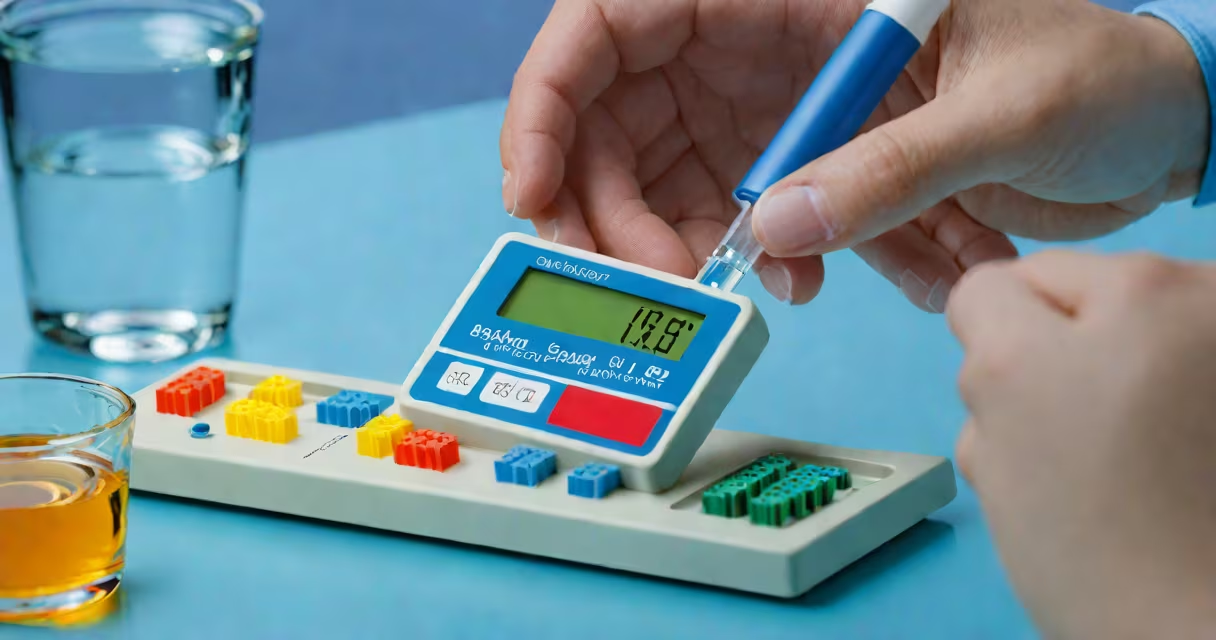
pH and water quality refer to the measure of hydrogen ion concentration in water and how that level affects biological safety, chemical stability, and infrastructure integrity. A pH value between 6.5 and 8.5 is recommended for drinking water by the EPA, with deviations indicating potential contamination or corrosive conditions.
The pH scale runs from 0 to 14, with 7 being neutral. Values below 7 indicate acidity; above 7, alkalinity. Water with a pH below 6.5 may leach metals like lead and copper from pipes, while water above 8.5 can form scale deposits that reduce flow and damage plumbing. These shifts impact both human health and environmental systems.
Water quality assessments include pH because it influences microbial activity, nutrient availability, and solubility of toxins. For example, low pH increases the bioavailability of aluminum, which can impair fish gills and disrupt aquatic ecosystems. High pH reduces chlorine's disinfectant power, increasing pathogen risk in treated water supplies.
pH controls the charge state of molecules in water. This determines whether substances dissolve, precipitate, or remain suspended. In acidic conditions (pH < 6), metals such as iron, manganese, and zinc dissolve more readily. In alkaline environments (pH > 8), calcium carbonate forms scale, reducing pipe efficiency and clogging fixtures.
For instance, a residential well with a pH of 5.2 showed elevated iron levels in tap water, causing rust-colored stains and a metallic taste. After adjusting pH to 7.0 using a limestone filter, iron concentrations dropped by 89% within one month. This demonstrates how pH correction prevents secondary contamination.
Microbial growth is also pH-dependent. Most pathogens thrive between pH 6.5 and 8.0. Outside this range, some bacteria die faster due to protein denaturation. However, extreme pH values can inhibit beneficial microbes in wastewater treatment plants, reducing breakdown efficiency.
Different water sources exhibit characteristic pH ranges based on geology, climate, and human activity. Rainwater typically measures around 5.6 due to dissolved carbon dioxide forming weak carbonic acid. Surface water in forested regions averages 6.0-7.5, depending on soil composition. Groundwater often falls between 6.5 and 8.5, influenced by rock minerals like limestone or gypsum.
| Water Source | Average pH Range | Common Influences |
|---|---|---|
| Rainwater | 5.0 - 5.8 | Atmospheric CO₂, pollution |
| Surface water (rivers/lakes) | 6.0 - 8.0 | Vegetation, runoff, seasonal changes |
| Groundwater (wells) | 6.5 - 8.5 | Limestone, volcanic rock, agricultural runoff |
| Tap water (municipal supply) | 6.5 - 8.5 | Treatment, distribution system materials |
Hard water, rich in calcium and magnesium, tends to have higher pH (7.5-8.5) due to mineral buffering capacity. Soft water, low in minerals, shows greater pH fluctuation. A homeowner with soft water reported sudden pH drops to 5.8 after installing a reverse osmosis system, leading to increased pipe corrosion. Adjusting the system with a remineralization stage restored pH stability.
The U.S. Environmental Protection Agency (EPA) sets a secondary maximum contaminant level (MCL) of 6.5-8.5 for pH in public water systems. While not a primary health standard, deviations trigger monitoring and corrective action under the Safe Drinking Water Act. Violations are reported annually in the Consumer Confidence Report (CCR).
For example, in 2022, Flint, Michigan's water system recorded average pH levels of 5.8 during a crisis. This acidity accelerated lead leaching from aging pipes, resulting in widespread exposure. The EPA later cited pH instability as a contributing factor in the failure of corrosion control programs.
Industries rely on pH control too. In food processing, pH regulates fermentation and shelf life. Beverage manufacturers adjust pH to improve flavor and prevent spoilage. A bottled water company in Colorado adjusted pH from 4.9 to 7.2 after consumer complaints about sour taste and stomach irritation. Re-testing confirmed reduced acidity and improved palatability.
Many assume that pH alone determines water safety. That's incorrect. A pH of 7.0 doesn't guarantee clean water. High pH can mask low chlorine levels, allowing pathogens to survive. Low pH can increase metal solubility without visible signs. Visual clarity does not reflect pH-related risks.
Another error is treating pH adjustment as a permanent fix. pH fluctuates with temperature, pressure, and seasonal inputs. A well-maintained system still requires monthly checks. One family in rural Oregon replaced their pH probe every six months after noticing inconsistent readings. Their initial test kit had degraded sensors, leading to false high readings.
Some believe alkaline water (pH 9-11) offers health benefits beyond hydration. The National Institutes of Health states there is no evidence that alkaline water improves health outcomes in humans. High pH water can cause gastrointestinal distress and interfere with medication absorption. Water with a pH of 11.0, though rare in nature, can be found in industrial runoff or improperly stored cleaning agents.
A homeowner in New Jersey detected a bitter taste and blue-green stains on bathroom fixtures. A local lab tested the tap water and returned a pH of 5.4. Lead levels were undetectable, but copper was 0.4 mg/L-above the EPA action level of 0.13 mg/L.
Analysis revealed that the home's copper pipes were corroding due to acidic water. The solution involved installing a calcite filter (limestone) to raise pH to 7.2. Over 30 days, copper levels dropped to 0.08 mg/L, and stain frequency decreased by 90%. The homeowner now tests pH quarterly using a calibrated digital meter.
This case illustrates that pH is not just a number-it's a diagnostic tool. Ignoring it leads to hidden damage. Correcting it early prevents long-term harm to plumbing and health.
Always verify pH through independent testing. Relying on anecdotal reports or unverified kits leads to inaccurate conclusions. Use certified labs or calibrated meters for reliable results.