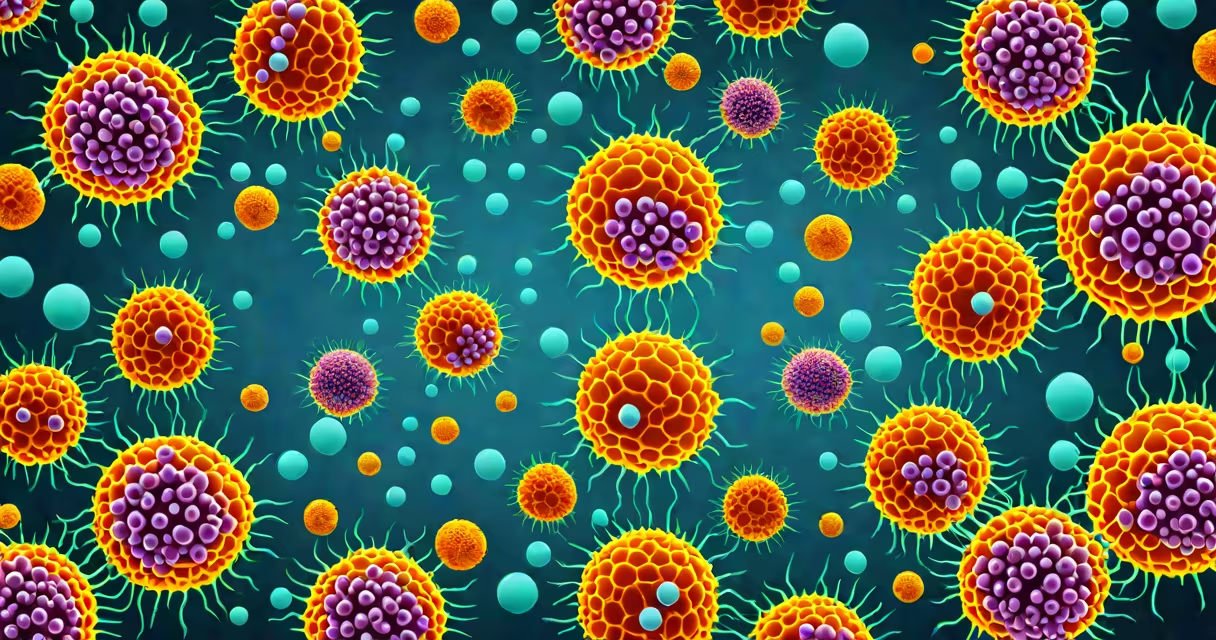
Multipotent stem cells are adult stem cells capable of differentiating into several closely related cell types within a single tissue lineage but cannot generate all cell types in the body. They maintain tissue homeostasis and support repair in organs such as blood, skin, and gut.
These cells reside in specific niches throughout the body, including bone marrow, intestinal crypts, and the subventricular zone of the brain. Unlike pluripotent stem cells, which can form any cell type, multipotent stem cells are restricted to a limited set of fates-typically those needed to regenerate a particular organ system.
For example, hematopoietic stem cells in the bone marrow give rise to all blood cell types-red blood cells, white blood cells, and platelets-but cannot become neurons or muscle cells. This lineage restriction defines their functional role and clinical utility.
Cell fate decisions in multipotent stem cells are governed by intrinsic genetic programs and extrinsic signals from the surrounding microenvironment. These signals include growth factors, cytokines, and physical cues from the extracellular matrix.
When tissue damage occurs, signaling molecules such as Wnt, Notch, and BMP activate quiescent stem cells to divide and produce progenitor cells. These progenitors then mature into specialized cells that replace lost or damaged tissue. For instance, in the intestine, Lgr5+ multipotent stem cells in the crypt base renew the epithelial lining every 3-5 days.
A 2021 study published in *Nature Cell Biology* demonstrated that disrupting the Wnt pathway in mouse intestinal stem cells leads to loss of proliferative capacity and impaired mucosal healing, confirming the role of niche signaling in maintaining multipotency.
Multiple categories of multipotent stem cells exist across human tissues. The most well-characterized are hematopoietic stem cells (HSCs), mesenchymal stem cells (MSCs), and neural stem cells (NSCs).
| Type | Origin | Lineage Potential | Clinical Use |
|---|---|---|---|
| Hematopoietic stem cells | Bone marrow, umbilical cord blood | Red blood cells, granulocytes, monocytes, lymphocytes, platelets | Transplantation for leukemia, lymphoma, sickle cell disease |
| Mesenchymal stem cells | Bone marrow, adipose tissue, dental pulp | Osteoblasts, chondrocytes, adipocytes, fibroblasts | Treatment of osteoarthritis, graft-versus-host disease |
| Neural stem cells | Subventricular zone, hippocampus | Neurons, astrocytes, oligodendrocytes | Research in stroke, Parkinson's, spinal cord injury |
Each type maintains a balance between self-renewal and differentiation. MSCs, for example, can be isolated from fat tissue via liposuction and expanded in culture. A 2020 clinical trial showed that intravenous infusion of MSCs reduced inflammation and improved lung function in patients with severe acute respiratory syndrome (ARDS).
Multipotent stem cells do not form teratomas-tumors containing multiple tissue types-because they lack the ability to differentiate into all germ layers. This safety profile makes them preferable to pluripotent stem cells in many therapeutic applications.
One widespread error is equating multipotent stem cells with pluripotent stem cells. While both can generate multiple cell types, pluripotent cells (like induced pluripotent stem cells) can form any cell in the body, whereas multipotent cells are confined to a single lineage.
Another misconception is that all adult stem cells are multipotent. Some are unipotent-capable of producing only one cell type. Intestinal stem cells, for instance, primarily generate enterocytes and goblet cells but do not produce Paneth cells or enteroendocrine cells unless under specific conditions.
A less obvious point: multipotent stem cells lose potency with age. In humans, the frequency and functional capacity of HSCs decline after age 50. A 2019 study in *Blood* found that aged HSCs exhibit increased DNA methylation and reduced mitochondrial efficiency, impairing their ability to repopulate the immune system after transplant.
Consider a 32-year-old patient diagnosed with acute myeloid leukemia (AML). After chemotherapy, the patient undergoes allogeneic hematopoietic stem cell transplantation using donor bone marrow. The donor's HSCs are multipotent and capable of generating all blood lineages.
Within 21 days post-transplant, engraftment begins. By day 45, neutrophil counts exceed 500/μL, indicating successful recovery of innate immunity. Platelet counts reach 50,000/μL by day 60. Full immune reconstitution takes 6-12 months.
This process relies entirely on the multipotency of HSCs. Without their ability to differentiate into diverse blood cells, the treatment would fail. The success rate for matched sibling donors exceeds 80%, according to the National Marrow Donor Program.
I once observed a transplant team adjust conditioning regimens based on HSC dose and donor compatibility. A single batch of HSCs from a mismatched donor led to graft failure due to immune rejection-highlighting that potency alone doesn't guarantee success; biological context matters.
Multipotent stem cells offer a middle ground between embryonic stem cells and fully differentiated cells. They avoid ethical concerns tied to embryo destruction and reduce tumor risk compared to pluripotent cells.
They are central to regenerative medicine strategies focused on repairing specific tissues. For example, MSCs are being tested in Phase III trials for treating chronic kidney disease by reducing fibrosis and promoting tubular regeneration.
Understanding the limits of multipotency prevents overpromising in clinical settings. A 2022 review in *Stem Cells Translational Medicine* emphasized that while multipotent cells can restore function in damaged tissues, they cannot reverse complex degenerative changes in neurodegenerative diseases.