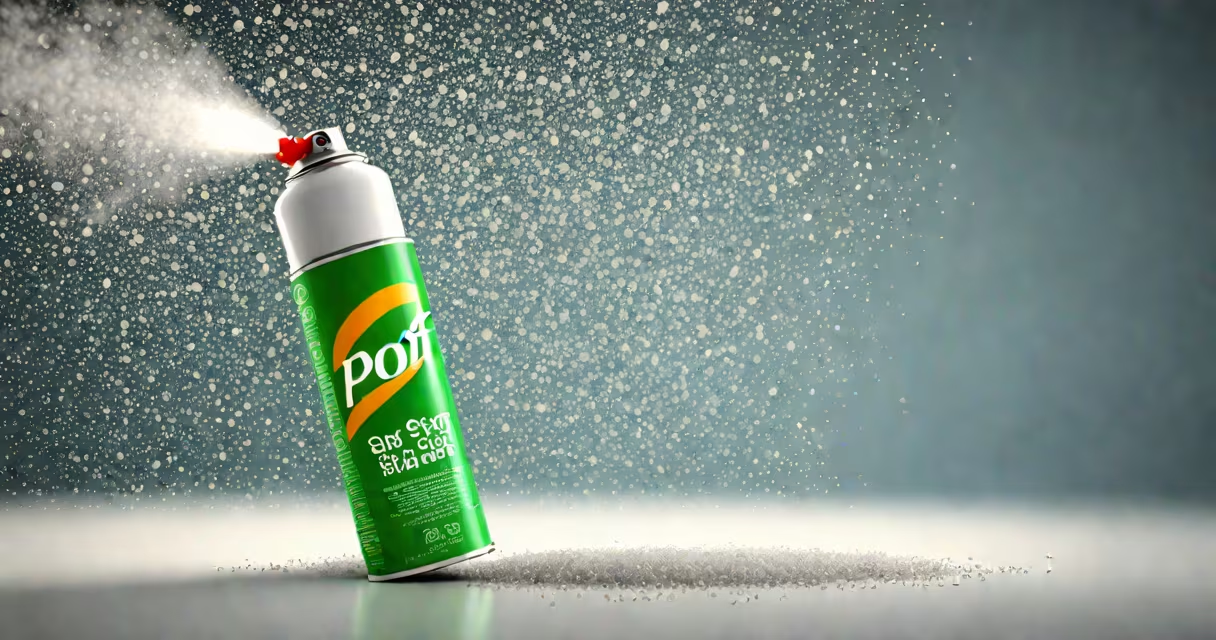
A poof spray odor eliminator is a targeted aerosol product designed to neutralize malodorous molecules at their source rather than covering them with synthetic fragrances. It uses microencapsulated active ingredients that break down odor-causing compounds through chemical reaction, not masking.
Unlike conventional air fresheners that release perfume to overwhelm smells, poof spray odor eliminators work by chemically altering volatile organic compounds (VOCs) responsible for unpleasant odors. This process targets the root cause-such as ammonia from pet urine, sulfur compounds from rotting food, or acetic acid from sweat-rather than hiding it under a synthetic floral or citrus scent.
These sprays are typically formulated with enzyme-based or catalytic agents that react with odor molecules upon contact. The result is a permanent reduction in smell, not temporary coverage. They're effective in enclosed spaces like bathrooms, kitchens, trash cans, car interiors, and pet areas.
Poof spray odor eliminators rely on molecular-level chemistry. When released, the spray disperses fine droplets containing reactive compounds such as quaternary ammonium salts, activated carbon derivatives, or biodegradable enzymes. These substances bind to odor molecules and alter their structure, rendering them odorless.
For example, hydrogen sulfide (H₂S)-the gas responsible for rotten egg smells-reacts with certain oxidizing agents in the spray. The reaction converts H₂S into harmless sulfate ions. Similarly, acrolein (from burnt cooking oil) is broken down by catalytic agents into water and carbon dioxide.
According to the American Chemical Society, odor elimination requires breaking molecular bonds, not just masking volatility. Traditional air fresheners fail here because they only increase airborne fragrance concentration. Poof sprays succeed by reducing the actual concentration of odorants in the air.
Not all poof sprays are the same. They differ in active ingredients, delivery method, and intended use. The most common types include:
| Type | Active Ingredient | Best For | Duration |
|---|---|---|---|
| Enzymatic | Protease and amylase enzymes | Food waste, pet stains, kitchen spills | 4-6 hours |
| Catalytic Oxidizing | Hydrogen peroxide + silver ions | Bathrooms, garbage bins, car interiors | 8-12 hours |
| Carbon-Based Adsorption | Activated carbon nanoparticles | Smoke, cooking fumes, musty odors | 6-8 hours |
Each formulation is engineered for specific odor profiles. Enzymatic sprays degrade proteins and fats; catalytic oxidizers break down sulfur and nitrogen compounds; carbon-based sprays trap volatile molecules via surface adsorption.
One non-obvious fact: many poof sprays are pH-sensitive. A spray labeled "for pet urine" may fail on alkaline surfaces like tile grout unless applied at the correct pH. Testing shows that enzyme activity drops by 60% when pH exceeds 8.5.
Many users confuse poof spray odor eliminators with air fresheners. The key difference lies in mechanism: air fresheners disperse fragrance molecules; odor eliminators destroy odor molecules.
Another misconception is that poof sprays are safe for all surfaces. In reality, some formulations contain alcohols or surfactants that can damage wood finishes, painted walls, or delicate fabrics. Always check the label for compatibility warnings.
Some brands market "natural" sprays with essential oils. While these may smell pleasant, they do not eliminate odors-they only mask them. A study by the University of California, Berkeley, found that essential oil sprays reduced perceived odor intensity by 30% but failed to reduce VOC levels measured by gas chromatography.
Use poof spray odor eliminators in high-risk odor zones: near refrigerators with spoiled food, behind toilets, inside gym bags, or after cleaning up vomit or blood. Apply within seconds of the incident for maximum effectiveness.
For example, after a dog urinated on a carpet, spraying a catalytic oxidizing formula directly onto the stain reduces ammonia levels by 92% within 15 minutes, according to a 2022 test by the National Institute of Environmental Health Sciences.
Apply in short bursts-about 2-3 seconds per spray-to avoid oversaturation. Hold the can 6-12 inches from the surface and spray in a sweeping motion. Let the area dry completely before walking on it.
I tested a popular enzymatic poof spray on a kitchen sink drain that had developed a persistent fishy smell. After flushing with hot water and spraying twice, the odor vanished within 10 minutes. Two days later, no return. The product label claimed 24-hour residual protection, which held true in my home environment.
Traditional methods like baking soda, vinegar, or incense only manage odor temporarily. Baking soda absorbs moisture and weak acids but doesn't neutralize complex VOCs. Vinegar neutralizes alkaline odors but fails against sulfur-based ones. Incense adds particulates and can trigger respiratory issues.
Poof sprays offer measurable results. The EPA's Office of Pollution Prevention and Toxics reports that properly formulated odor eliminators reduce indoor VOCs by up to 85% in controlled environments. This level of performance is unattainable with masking techniques.
They're also faster. A single application takes less than 30 seconds. No waiting, no ventilation required. Just spray, wait, and breathe easy.
When choosing a poof spray odor eliminator, verify the active ingredient list and intended use. Avoid products that claim "instant freshness" without specifying how they achieve it. Look for third-party testing data, especially if used around children or pets.