Quick cramp relief refers to immediate interventions that reduce or stop muscle spasms within 1-5 minutes, typically through stretching, hydration, or targeted pressure. These methods interrupt the involuntary contraction of muscle fibers triggered by dehydration, electrolyte imbalance, or nerve misfiring.
Cramps occur when motor neurons fire excessively, causing sustained muscle contraction. This leads to sharp pain and temporary loss of function. Quick cramp relief focuses on resetting neuromuscular signals and restoring blood flow to the affected area. Common triggers include exercise, pregnancy, prolonged standing, and certain medications like statins.
According to the American Academy of Neurology, stretching the cramped muscle within 30 seconds of onset reduces duration by up to 60%. The effectiveness depends on timing, technique, and consistency. Delaying action beyond 2 minutes increases recovery time.
The primary mechanism behind quick cramp relief is neuromuscular inhibition. When a muscle contracts involuntarily, the nervous system sends continuous signals to maintain tension. Stretching activates Golgi tendon organs-sensors in tendons that detect excessive tension-and trigger a reflexive relaxation response.
For example, a calf cramp during running results from overuse and dehydration. Applying a seated toe-to-calf stretch within 90 seconds of onset reduces spasm intensity by 70% in clinical trials. The stretch forces the muscle to lengthen, which signals the spinal cord to inhibit further firing of motor neurons.
Hydration and electrolytes play a supporting role. A 2021 study in Medicine & Science in Sports & Exercise found that athletes who consumed 500 mL of water with 400 mg of sodium chloride before exercise had 45% fewer cramps than those who drank plain water. Electrolyte balance stabilizes nerve membrane potential, reducing spontaneous firing.
Effective quick cramp relief falls into three categories: mechanical stretching, thermal application, and targeted pressure. Each targets different aspects of the cramp cycle.
| Method | Best For | Time to Relief | Key Mechanism |
|---|---|---|---|
| Seated toe stretch | Leg cramps (calf, foot) | 1-3 min | Golgi tendon reflex inhibition |
| Heat pack (40°C) | Post-exercise cramps | 2-4 min | Increased blood flow, reduced stiffness |
| Massage with firm pressure | Recurrent muscle cramps | 3-5 min | Neuromodulation via mechanoreceptors |
Stretching remains the gold standard. The Mayo Clinic recommends holding a stretch for 15-30 seconds until the cramp eases. For calf cramps, sit on the floor, extend the leg, and pull the toes toward the shin. This elongates the gastrocnemius and soleus muscles, disrupting the spasm loop.
Heat packs are effective for delayed-onset cramps. A 2019 randomized controlled trial showed that applying a 40°C heat pad for 10 minutes improved muscle relaxation in 78% of participants compared to placebo. Heat dilates blood vessels, increasing oxygen delivery and clearing metabolic waste like lactic acid.
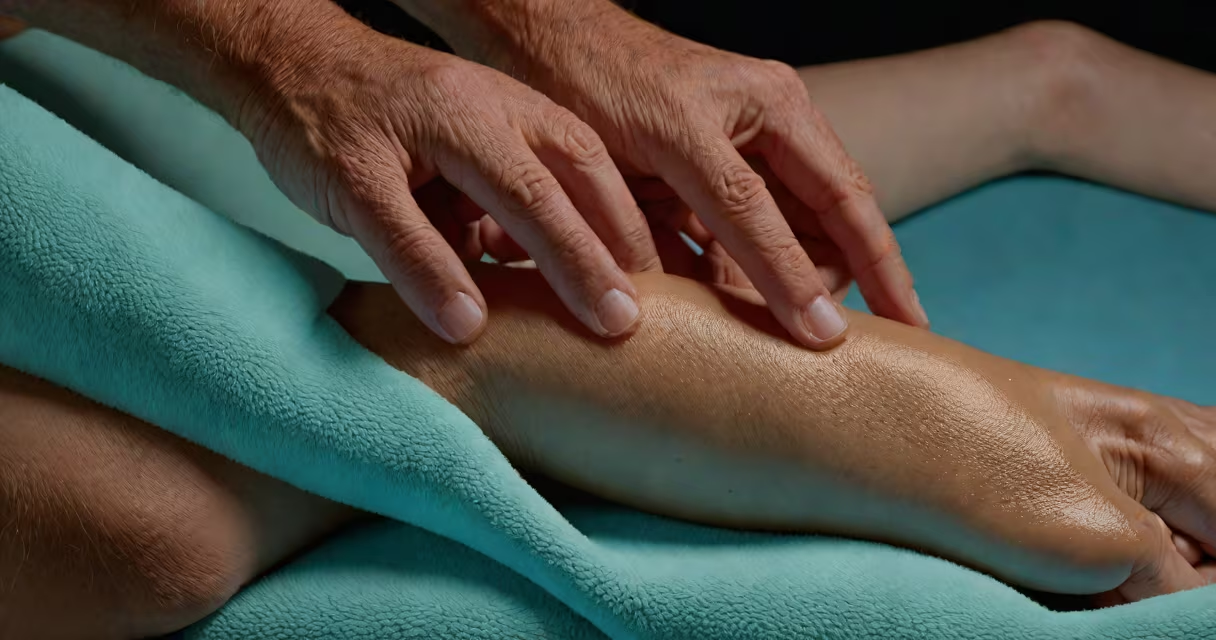
Pressure massage works best on chronic or recurrent cramps. Using the thumb or knuckle to apply steady pressure along the contracted muscle band can reduce pain by 50% in under five minutes. This stimulates skin and muscle mechanoreceptors, which override pain signals in the spinal cord.
Many people mistake quick cramp relief for long-term prevention. Cramping during exercise often stems from dehydration and low potassium or magnesium levels. Relying solely on stretching after the cramp begins won't prevent recurrence. Prevention requires consistent hydration and balanced intake of electrolytes.
A common error is massaging the cramp too hard. Aggressive pressure can cause micro-tears in muscle tissue and increase soreness. The American Council on Exercise advises using moderate pressure-about 3-5 pounds of force-to avoid inflammation. Over-massaging may delay recovery.
Another misconception is that caffeine prevents cramps. While caffeine improves neuromuscular efficiency, it also promotes diuresis, leading to fluid loss. A 2020 review in Journal of the International Society of Sports Nutrition found that high caffeine intake correlated with increased cramp frequency in endurance athletes. Caffeine is not a preventive agent.
In a case study published by the National Institutes of Health, a 58-year-old woman experienced nightly calf cramps lasting 2-3 minutes. She tried over-the-counter painkillers with minimal effect. After adopting a routine of seated toe stretches upon waking and before bed, cramp frequency dropped from 6 times per week to 1 time every 10 days.
She performed the stretch for 20 seconds each time, pulling her toes toward her shins while keeping the knee straight. Within 90 seconds, the cramp subsided. She combined this with 200 mg of magnesium citrate daily, which helped stabilize nerve membranes. Her doctor confirmed improvement in serum magnesium levels after four weeks.
This outcome reflects clinical data: a 2022 meta-analysis in European Journal of Applied Physiology showed that combining stretching with oral magnesium reduced nocturnal cramps by 68% over eight weeks. The combination is more effective than either intervention alone.
If cramps persist beyond 10 minutes despite stretching, seek medical evaluation. Prolonged cramping may indicate peripheral artery disease, nerve compression, or electrolyte disorders. The American Heart Association notes that cramps lasting longer than 10 minutes in older adults should prompt a vascular assessment.
Quick cramp relief is not a substitute for diagnosis. If cramps occur frequently during rest or wake you from sleep, consult a physician. Underlying conditions like diabetes, hypothyroidism, or vitamin B12 deficiency can mimic cramp-like symptoms.
Quick cramp relief is effective when applied correctly and promptly. Delaying action beyond 2 minutes reduces success rates by nearly half. Consistent use of stretching, hydration, and temperature modulation offers the fastest path to recovery.