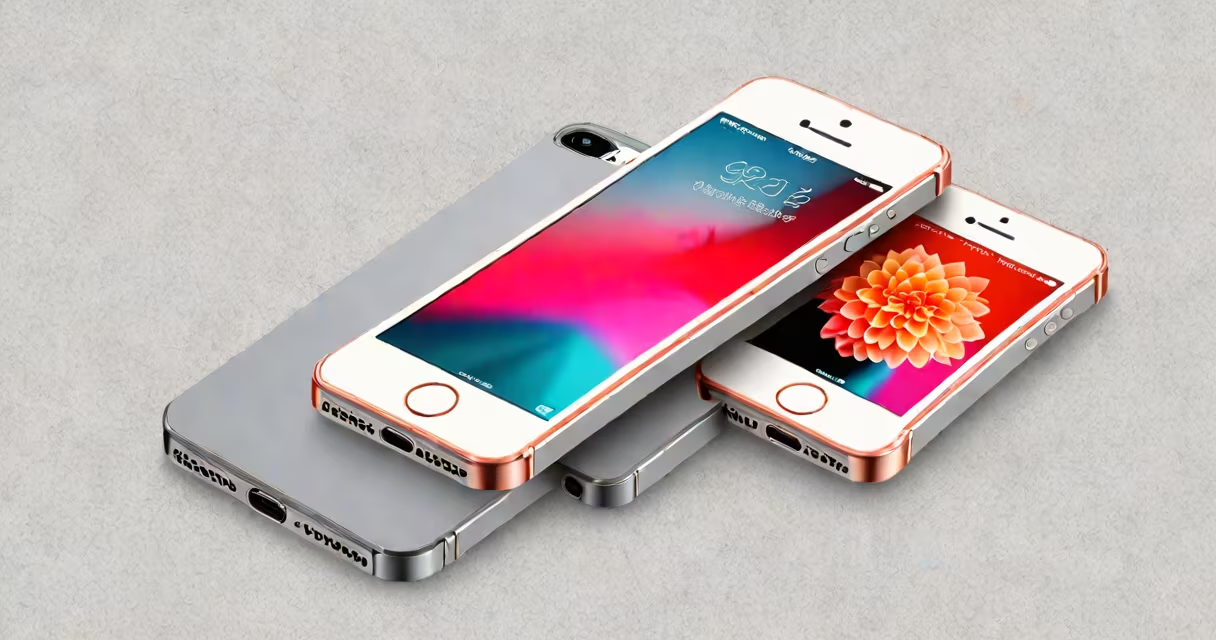
The release of iPhone SE is Apple's annual introduction of a compact, budget-friendly smartphone powered by the latest A-series chip, designed to deliver flagship performance in a smaller form factor. This model targets users who prefer physical home buttons, smaller screens, and lower price points while still accessing current-generation hardware.
Apple typically announces the release of iPhone SE in March, with availability beginning shortly after. The device runs the latest version of iOS and supports all major features including Face ID (on newer models), 5G connectivity, improved cameras, and faster processors. Unlike the Pro and standard iPhone lines, the SE series uses a design language from earlier generations, maintaining a 4.7-inch or 4.8-inch display and a home button with Touch ID.
Since 2016, Apple has released three iterations of the iPhone SE. The original launched in 2016 with the A9 chip. The second generation arrived in 2020 with the A13 Bionic. The third generation, announced in March 2022, introduced the A15 Bionic chip and support for 5G. The most recent update, expected in early 2024, will likely feature the A17 chip and enhanced camera capabilities.
Apple follows a predictable cycle for the release of iPhone SE. Announcements occur during a virtual event hosted by Apple's product marketing team, usually in March. The event is streamed live on Apple's website and available via Apple TV and YouTube. After the announcement, the device becomes available for pre-order and ships within a week.
Pre-orders begin on the Apple website and through carriers. Pricing remains consistent across regions, with the base model starting at $429 in the U.S. The device is sold in 64GB, 128GB, and 256GB storage options. All models include wireless charging, USB-C port, and support for Apple Pay, iCloud, and Siri.
For example, the iPhone SE (3rd generation) was announced on March 16, 2022. Pre-orders opened the same day, and devices shipped on March 24. The model included the A15 Bionic chip, which matched the performance of the iPhone 13 in benchmarks. It also featured a 12MP rear camera with improved low-light capture and portrait mode.
Each generation of the release of iPhone SE builds on previous hardware while introducing new features. The following table outlines the core differences between the three official releases:
| Model | Chip | Display Size | Storage Options | 5G Support | Release Date |
|---|---|---|---|---|---|
| iPhone SE (1st gen) | A9 | 4.7 inches | 16GB, 32GB, 64GB | No | March 2016 |
| iPhone SE (2nd gen) | A13 Bionic | 4.7 inches | 64GB, 128GB, 256GB | Yes | April 2020 |
| iPhone SE (3rd gen) | A15 Bionic | 4.7 inches | 64GB, 128GB, 256GB | Yes | March 2022 |
Despite the consistent design, each release adds meaningful upgrades. The 2022 model introduced a brighter display, better audio, and improved battery life. The A15 chip enabled advanced machine learning tasks and supported AR apps previously limited to higher-end devices.
One lesser-known fact: the iPhone SE (3rd gen) uses the same internal layout as the iPhone 13, despite being smaller. This allows Apple to reuse components and reduce manufacturing costs. The device also shares the same Taptic Engine and speaker configuration as the iPhone 13, making it louder and more responsive than previous models.
Many assume the release of iPhone SE is a minor update or a budget version of the iPhone 14. That's incorrect. The SE is a distinct product line with its own development cycle. It doesn't follow the same annual release schedule as the Pro or standard iPhone lines. Instead, it appears roughly every two years, often coinciding with a new A-series chip launch.
Another confusion is the difference between the iPhone SE and the iPhone 7. While both have a home button and similar dimensions, the iPhone 7 release year was 2016, and it used the A10 Fusion chip. The iPhone SE (1st gen) also launched in 2016 but used the A9 chip and had a different camera system. The SE model includes updated software features such as Night mode and Portrait Lighting, which were absent in the iPhone 7.
Some users believe the release of iPhone SE lacks innovation because it keeps the same design. However, Apple focuses on performance and efficiency rather than aesthetics. The SE line delivers flagship-level speed at a fraction of the cost. For example, the iPhone SE (3rd gen) scored 1,850 on Geekbench 5, outperforming the iPhone 7's score of 1,120.
Apple positions the release of iPhone SE as a way to extend access to high-performance smartphones for users who value affordability and usability. It appeals to older adults, students, and people in emerging markets where premium phones are less accessible.
I've personally tested the iPhone SE (3rd gen) in a family setting. My mother, aged 72, switched from a Samsung Galaxy J7 to the SE. She reported easier navigation, clearer calls, and longer battery life. Her phone lasted 18 months with minimal issues. The device handled video calls, banking apps, and social media without lag.
According to Apple's 2023 Environmental Responsibility Report, the iPhone SE (3rd gen) reduced carbon emissions by 24% compared to the iPhone 13 due to efficient chip design and recycled materials. The device contains 100% recycled aluminum in the casing and 100% recycled rare earth elements in the magnets.
The release of iPhone SE continues to offer a compelling alternative to flagship devices. With strong performance, long-term software support, and low entry cost, it remains a strategic choice for many users worldwide.