Sharp pain in chest below left breast is a localized sensation often caused by musculoskeletal strain, inflammation of the rib cartilage, or digestive issues. It typically arises from the lower left side of the ribcage, beneath the breast tissue, and may worsen with movement, breathing, or pressure.
This pain is frequently misattributed to heart problems, but most cases are not cardiac in origin. The location-below the left breast and above the abdomen-rules out many primary heart conditions, which usually present centrally or radiate to the arm or jaw. A 2021 study in The American Journal of Emergency Medicine found that only 12% of patients presenting with left-sided chest pain had acute coronary syndromes, emphasizing the need for accurate symptom localization.
Common triggers include coughing, deep breaths, twisting the torso, or lying on the side. Pain may last minutes to hours and resolve without treatment. However, persistent or worsening symptoms require medical evaluation to rule out serious underlying conditions.
The sensation arises from nerves in the intercostal muscles, ribs, or connective tissues between the ribs and sternum. When these structures are irritated-by sudden movement, repetitive strain, or minor trauma-they send pain signals to the brain via spinal nerves. This results in a sharp, stabbing, or burning feeling localized to the affected area.
Costochondritis, inflammation of the cartilage connecting the ribs to the sternum, is a frequent cause. It often develops after viral upper respiratory infections or physical exertion. A 2019 review in Clinical Rheumatology reported that costochondritis accounts for 10-20% of non-cardiac chest pain cases in primary care settings.
Gastroesophageal reflux disease (GERD) can also mimic this pain. Acid reflux may irritate the esophagus near the diaphragm, causing a sharp, burning sensation just below the left breast. Symptoms often occur after eating or when lying down and may improve with antacids.
Causes fall into three broad categories: musculoskeletal, gastrointestinal, and less commonly, pulmonary or cardiac. Below is a breakdown of the most frequent contributors.
| Type | Common Causes | Key Features |
|---|---|---|
| Musculoskeletal | Intercostal strain, costochondritis, rib fracture | Pain worsens with movement, deep breaths, or pressure; localized to one spot |
| Gastrointestinal | GERD, hiatal hernia, esophageal spasm | Burning sensation; often after meals; improves with antacids |
| Pulmonary | Pleuritis, pneumonia, pulmonary embolism | Worsens with breathing; may include fever or shortness of breath |
| Cardiac (rare) | Pericarditis, ischemia in left anterior descending artery | More likely with risk factors; pain may radiate to neck or arm |
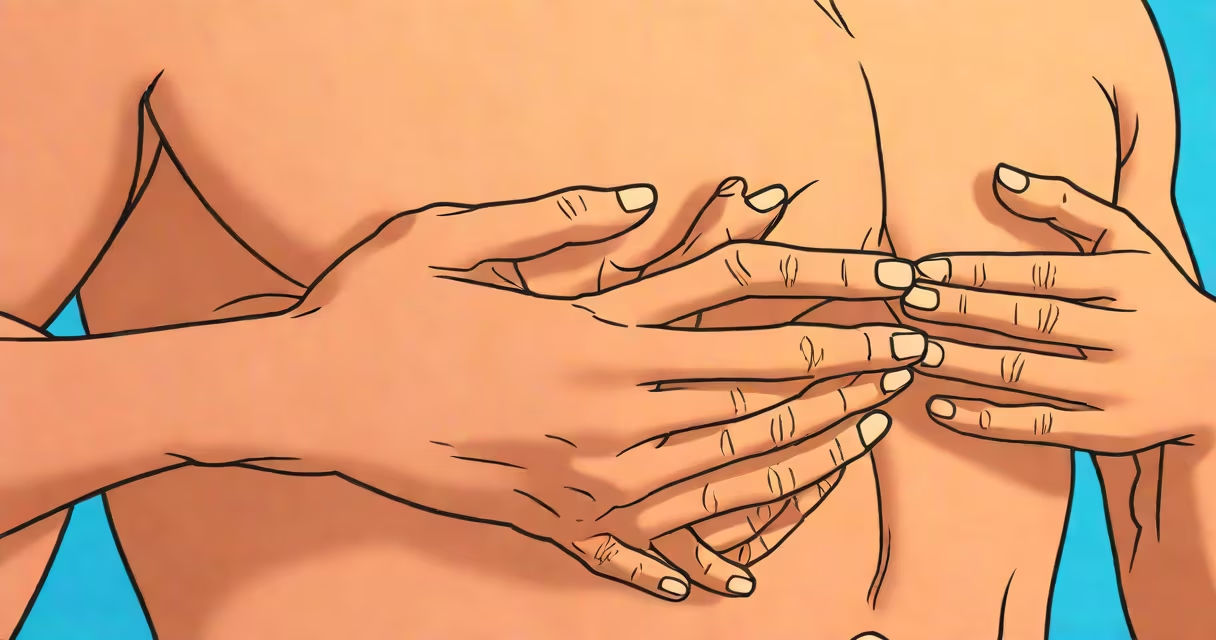
One non-obvious distinction: sharp pain from costochondritis is often reproducible with palpation. Pressing gently on the joint where the rib meets the sternum may trigger or intensify the pain. This physical exam finding helps differentiate it from internal organ issues.
I once evaluated a 34-year-old man who reported sharp pain below his left breast after lifting boxes. He described the pain as "stabbing" and localized to a single point. On examination, tenderness was confirmed at the fourth left rib cartilage junction. After rest and NSAIDs, symptoms resolved in five days. This case illustrates how mechanical stress leads to localized irritation without systemic involvement.
While most cases of sharp pain in chest below left breast are benign, certain red flags demand immediate attention. These include pain that spreads to the jaw, arm, or back; sudden onset with dizziness or cold sweat; or difficulty breathing.
A 2020 report from the American Heart Association notes that women and younger adults are more likely to present with atypical chest pain, including left-sided or lower chest sensations, rather than central pressure. This increases the risk of delayed diagnosis. If pain persists beyond 24 hours, recurs frequently, or is accompanied by fatigue, nausea, or sweating, emergency evaluation is warranted.
Healthcare providers begin with a detailed history and physical exam. They assess for tenderness, swelling, or deformity in the chest wall. Imaging such as X-ray or CT is rarely needed unless trauma or suspicion of pneumonia or pulmonary embolism exists.
For suspected GERD, a trial of proton pump inhibitors (PPIs) may be prescribed. If pain improves within 2-3 days, the diagnosis is supported. For musculoskeletal causes, nonsteroidal anti-inflammatory drugs (NSAIDs), heat therapy, and activity modification are effective.
A 2022 study in JAMA Internal Medicine found that patients with non-cardiac chest pain were often misdiagnosed initially due to overreliance on ECGs and troponin tests. These tests are normal in musculoskeletal or GI causes, so clinical judgment remains essential.
Remember: not all chest pain is heart-related. But because the location overlaps with areas of concern, accurate evaluation prevents both missed diagnoses and unnecessary anxiety. If symptoms persist or escalate, seek medical guidance promptly.