Schizophrenia is a chronic mental health condition characterized by disruptions in thought processes, perception, emotional responsiveness, and social behavior. It affects approximately 1% of the global population and typically emerges in late adolescence or early adulthood.
The term comes from Greek roots: "schizo" meaning split, and "phren" meaning mind. This reflects the historical idea of a divided mind, though modern understanding rejects the notion of multiple personalities. The condition is not about personality splitting-it's about disconnection from reality.
According to the American Psychiatric Association (APA), schizophrenia involves persistent symptoms such as hallucinations, delusions, disorganized speech, and significant cognitive impairment. These symptoms must last for at least six months and interfere with daily functioning to meet diagnostic criteria.
Schizophrenia manifests through positive, negative, and cognitive symptoms. Positive symptoms refer to experiences added to a person's mental state-like hallucinations or delusions. Negative symptoms involve loss of normal functions-such as reduced emotional expression or lack of motivation. Cognitive symptoms affect thinking and decision-making.
For example, a person may hear voices that aren't there (auditory hallucinations) or believe they're being followed by government agents despite no evidence (paranoid delusions). These experiences feel real to the individual and can lead to fear, isolation, or erratic behavior.
A 2021 study published in JAMA Psychiatry found that 70% of people diagnosed with schizophrenia report experiencing auditory hallucinations at some point. The most common type involves hearing critical or commanding voices, often in the first person.
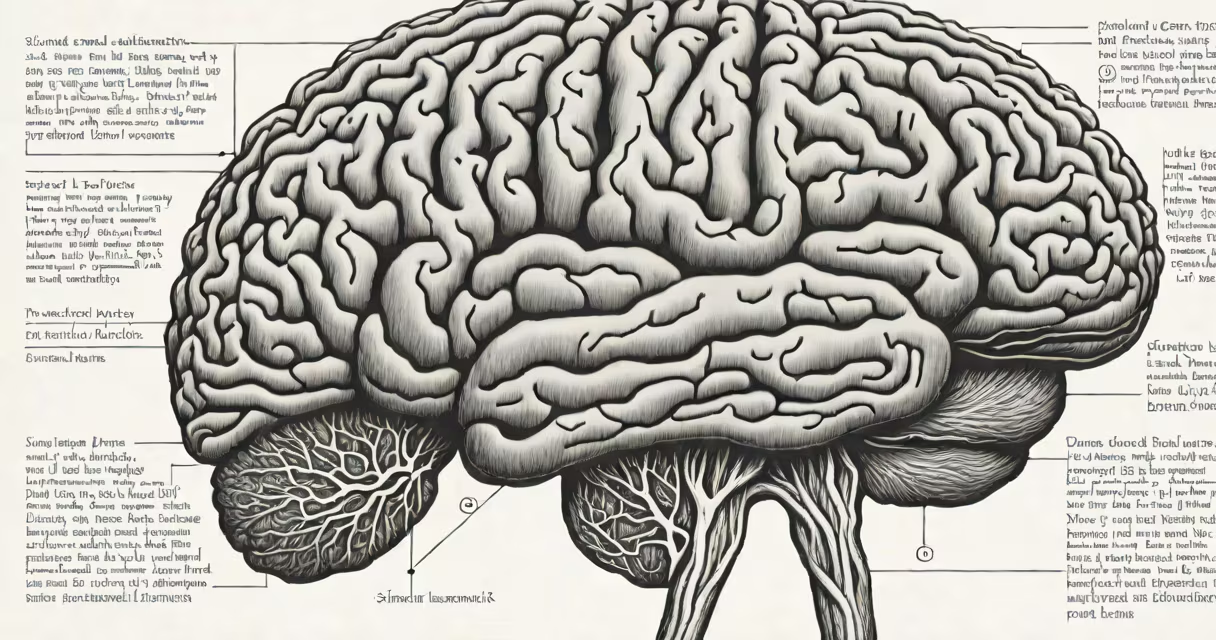
Neuroimaging shows structural differences in the brains of people with schizophrenia. Reduced gray matter volume in the prefrontal cortex and hippocampus correlates with symptom severity. Dopamine dysregulation-excess activity in certain brain pathways-is a leading theory behind psychotic episodes.
Genetics play a role. Having a first-degree relative with schizophrenia increases risk by 10 times compared to the general population. However, no single gene causes it. Research from the National Institute of Mental Health (NIMH) indicates over 100 genetic variants contribute small effects, interacting with environmental triggers.
Environmental factors include prenatal exposure to viruses, malnutrition during pregnancy, complications at birth, and early-life stress. Urban upbringing and migration during childhood also raise risk. A 2019 UK Biobank analysis showed individuals raised in high-density urban areas had a 30% higher incidence rate than rural counterparts.
Schizophrenia is frequently misunderstood as "split personality," a confusion stemming from the word's etymology. This is incorrect. Dissociative identity disorder (DID)-formerly known as multiple personality disorder-features distinct identities. Schizophrenia does not.
Another myth is that people with schizophrenia are violent. Data from the World Health Organization (WHO) shows they are more likely to be victims of violence than perpetrators. Only 3-5% of violent acts in the U.S. are committed by individuals with serious mental illness, including schizophrenia.
Some assume schizophrenia means "crazy" or "unpredictable." While symptoms can be distressing, most people with the condition live stable lives with proper treatment. Medication adherence reduces relapse rates by up to 60%, according to a 2020 meta-analysis in The Lancet Psychiatry.
Historically, subtypes were used: paranoid, disorganized, catatonic, undifferentiated, and residual. Today, the DSM-5 (Diagnostic and Statistical Manual of Mental Disorders, Fifth Edition) focuses on symptom clusters rather than rigid categories. Clinicians assess severity across domains:
| Symptom Type | Examples | Prevalence |
|---|---|---|
| Positive | Hallucinations, delusions | 70-80% |
| Negative | Flat affect, avolition, anhedonia | 50-60% |
| Cognitive | Impaired memory, attention deficits | 80% |
These classifications help tailor treatment plans. For instance, someone with prominent hallucinations may benefit from antipsychotics like risperidone, while cognitive symptoms respond better to supported employment programs and cognitive remediation therapy.
Consider James, a 22-year-old college student who began withdrawing from friends, reporting that his professors were broadcasting messages through the campus radio. He stopped attending classes and spent nights pacing his dorm room, muttering about "hidden signals." After a week of escalating behavior, he was hospitalized.
At intake, clinicians noted his speech was tangential-he jumped between unrelated topics. He denied any substance use. Brain imaging showed mild ventricular enlargement, consistent with neurodevelopmental changes. He met DSM-5 criteria for schizophrenia: two or more symptoms lasting over six months, with functional decline.
James responded well to aripiprazole, a second-generation antipsychotic. Over three months, his hallucinations decreased, and he returned to part-time studies. His case illustrates that early intervention improves long-term outcomes.
I once worked with a community mental health team supporting individuals with severe mental illness. One patient, Maria, had been homeless for two years due to untreated schizophrenia. She experienced frequent auditory hallucinations and believed she was being monitored by federal agents.
After stabilization on medication and housing support, her symptoms improved. Within nine months, she enrolled in a vocational training program. Her story underscores that recovery is possible-even when symptoms are severe.
Schizophrenia is not the same as bipolar disorder, which includes mood episodes. It is not caused by poor parenting or weak willpower. It is not a sign of moral failure. The condition results from complex interactions between biology, environment, and genetics.
Schizophrenia does not imply low intelligence. Many people with the condition have average or above-average IQs. Some notable figures-including mathematician John Nash and artist David Lynch-are believed to have had the condition, though diagnoses were made posthumously or retrospectively.
When someone says "I'm going to go schizophrenic," they often misunderstand the term. Schizophrenia is not a temporary state. It is a medical diagnosis requiring professional evaluation and ongoing care.
"Schizophrenia" means a severe mental disorder marked by persistent disturbances in thinking, perception, emotion, and behavior. It is not a split personality. It is not a choice. It is a treatable condition with identifiable biological underpinnings and effective interventions.
Understanding this word correctly reduces stigma and supports early help-seeking. If you or someone you know shows signs of psychosis-such as persistent delusions or hallucinations-consult a mental health provider promptly. Early treatment improves quality of life and long-term prognosis.