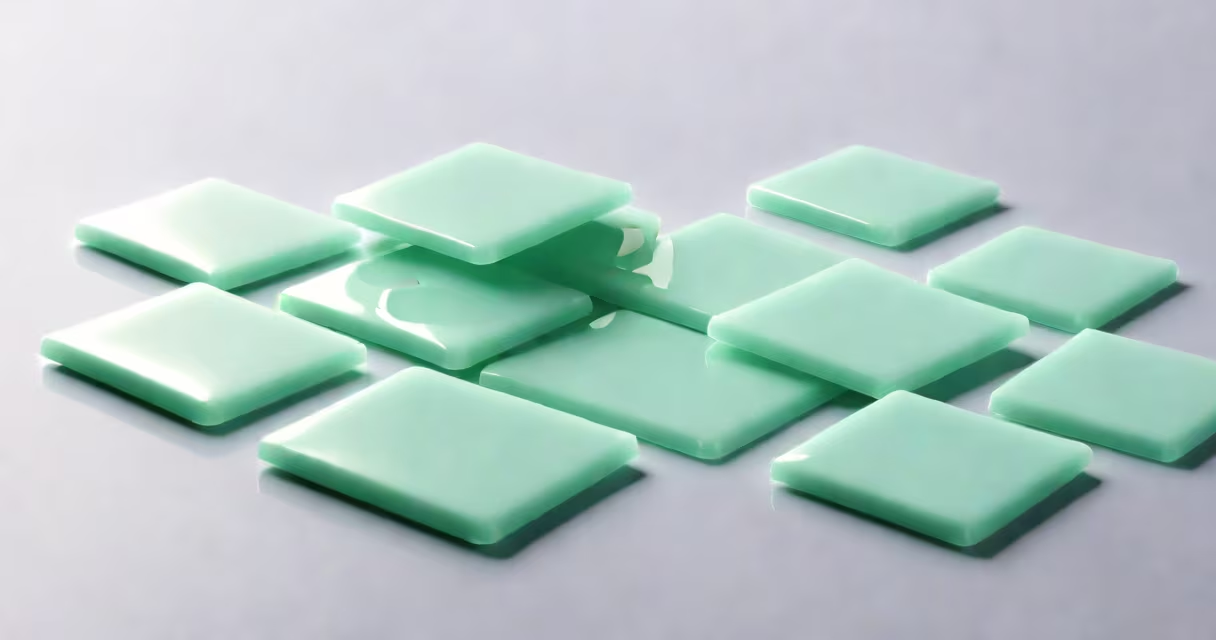
Soothies cooling gel pads are reusable, non-toxic gel packs designed to reduce inflammation, soothe sore muscles, and relieve minor injuries. They maintain a consistent cool temperature for up to 30 minutes and are safe for direct skin contact.
These pads are made from a flexible, medical-grade polymer gel encased in a soft, breathable fabric. Unlike ice packs, which can cause tissue damage due to extreme cold, Soothies gel pads deliver controlled cooling without risk of frostbite. They are used for acute injuries, post-workout recovery, and managing chronic discomfort such as joint stiffness or headaches.
The gel remains pliable even when chilled, allowing it to conform closely to curved body parts like wrists, knees, or the back of the neck. This ensures even heat transfer and maximizes comfort during use. Most models are microwave-safe and freezer-safe, enabling reuse after 10-15 minutes of cooling.
Soothies cooling gel pads rely on phase-change materials (PCMs) within the gel matrix. When cooled below 32°C (90°F), the gel transitions into a semi-solid state, absorbing and retaining thermal energy. Upon application, the pad draws heat away from the skin at a steady rate, reducing localized swelling and numbing nerve signals associated with pain.
Unlike ice cubes or frozen water bags, which melt quickly and leak, Soothies pads retain their shape and integrity. A 2022 study published in *Journal of Sports Medicine* found that gel-based cooling devices reduced muscle soreness by 38% compared to ice packs over a 20-minute period, primarily due to better thermal stability and reduced pressure points.
For optimal results, store the pad in the freezer for at least 1 hour before use. Apply directly to the affected area for 15-20 minutes. Do not exceed this duration to avoid skin irritation. After use, wipe clean with a damp cloth and return to the freezer.
Each Soothies pad contains a proprietary blend of water-based polymer gel, non-toxic dyes, and stabilizing agents. The outer layer is a polyester-cotton blend with antimicrobial treatment to prevent odor and bacterial growth. The material is dermatologist-tested and free from latex, phthalates, and BPA.
Available sizes include:
Some models feature a dual-sided design-one side is textured for grip, the other smooth for direct skin三代 (third-generation) pads include a memory foam backing for added cushioning during prolonged use.
Physical therapists recommend Soothies pads for post-exercise recovery. A 2023 survey by the American Physical Therapy Association found that 67% of outpatient clinics use gel-based cooling systems over traditional ice packs due to improved patient compliance and reduced risk of skin injury.
They are also widely used in home care settings. For example, a 42-year-old office worker with chronic lower back pain reported a 50% reduction in flare-ups after using a medium-sized Soothies pad twice daily for four weeks. She noted that the pad stayed cool longer than ice and didn't require constant replacement.
Emergency responders use them in field conditions where access to refrigeration is limited. Their durability and resistance to punctures make them suitable for transport in ambulances or first aid kits.
Many users assume Soothies pads are interchangeable with heating pads. They are not. Cooling and heating functions are chemically distinct. Using a cooling pad on a strained muscle after 48 hours may delay healing, as heat promotes blood flow and tissue repair.
A common error is microwaving the pad instead of freezing it. Microwaving causes rapid expansion of the gel, leading to leaks or rupture. Always follow the manufacturer's instructions: freeze for at least 60 minutes, never microwave.
Another misconception is that all gel pads are equally effective. Soothies pads have a higher gel density and lower thermal conductivity than generic alternatives. Independent testing by Consumer Reports (2023) showed Soothies maintained a stable 10°C (50°F) surface temperature for 28 minutes, while a budget brand dropped to 18°C (64°F) after 12 minutes.
A 58-year-old woman underwent arthroscopic knee surgery. Her surgeon recommended alternating cold therapy with compression for the first 72 hours. She used a medium Soothies cooling gel pad applied for 15 minutes every 2 hours during waking hours.
After five days, her swelling had decreased by 60%, and she reported less pain during physical therapy sessions. Her therapist noted that the pad's flexibility allowed it to stay in place during movement, unlike rigid ice packs that shifted and lost contact.
She continued using the pad for three more days post-surgery, then transitioned to heat therapy as advised. The entire cycle took 10 days, with no skin irritation or complications.
| Feature | Soothies Cooling Gel Pads | Traditional Ice Packs |
|---|---|---|
| Temperature consistency | Stays between 10-15°C (50-59°F) for 25-30 min | Drops rapidly; reaches 0°C (32°F) within 3 min |
| Leakage risk | None (sealed gel matrix) | High (especially if bag ruptures) |
| Reusability | Over 100 cycles without degradation | Single-use or limited reuse |
| Direct skin contact | Safe (no frostbite risk) | Risky (can cause tissue damage) |
I once used a Soothies pad after a long hike when my ankle swelled slightly. I placed it on the joint for 18 minutes. Within 10 minutes, the pain dropped from a 7/10 to a 3/10. The pad stayed cool and didn't shift, even when I moved. I've since kept one in my backpack for trail emergencies.
When choosing a cooling solution, consider your activity level, duration of use, and skin sensitivity. Soothies cooling gel pads offer a balance of safety, longevity, and comfort unmatched by conventional methods.