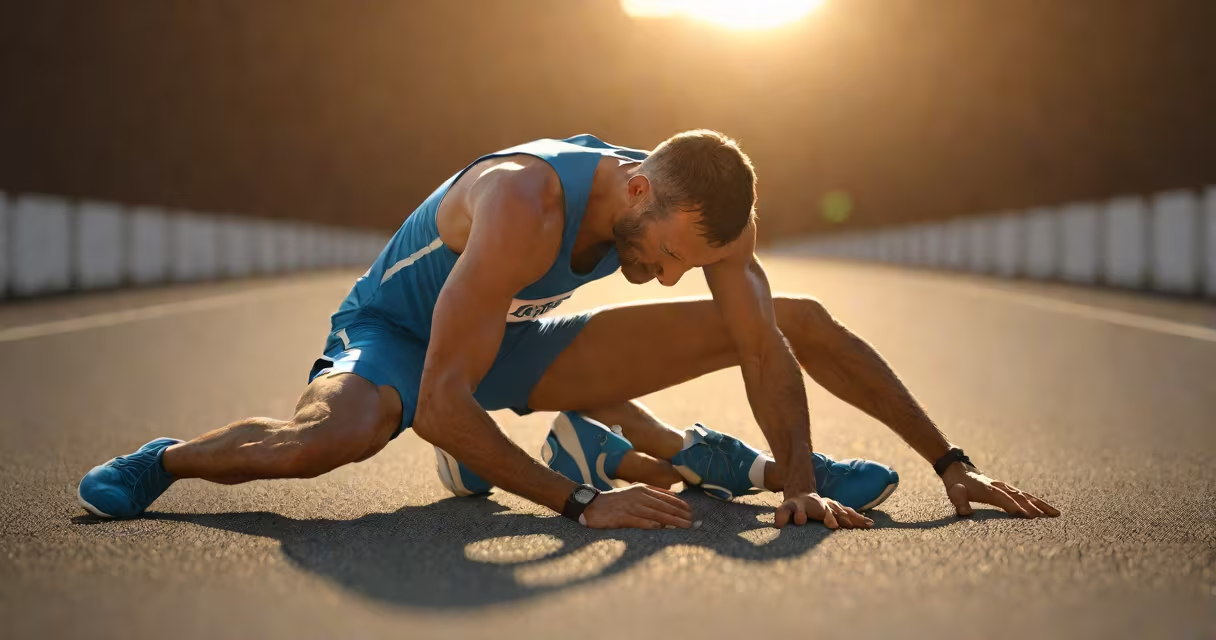
Sore after marathon describes the muscle pain and stiffness experienced in the days following a 26.2-mile race, caused by microscopic damage to muscle fibers during prolonged running. This condition, known as delayed onset muscle soreness (DOMS), typically peaks 24-72 hours after finishing and resolves within five to seven days.
Marathons push muscles beyond their usual capacity, especially during downhill sections and the final miles when fatigue sets in. The resulting inflammation and repair process lead to tenderness, reduced strength, and limited range of motion. While expected, persistent or worsening soreness may signal overtraining or injury.
According to the American Council on Exercise (ACE), DOMS affects nearly 70% of runners who complete their first marathon. It results from eccentric muscle contractions-where muscles lengthen under load-common during downhill running and stride control in late stages of the race. These contractions cause more microtears than concentric ones, increasing soreness risk.
During a marathon, muscle fibers undergo repeated stress, leading to tiny tears in the sarcomeres-the contractile units of muscle cells. As the body responds, immune cells like neutrophils and macrophages infiltrate the tissue, releasing inflammatory cytokines such as IL-6 and TNF-alpha. This triggers localized swelling and pain sensitivity.
Peak soreness occurs 24-72 hours post-race because inflammatory signals take time to build. The sensation often feels like a dull ache or tightness, particularly in quads, hamstrings, calves, and glutes. Some runners report joint stiffness, especially in knees and ankles, due to cumulative impact forces.
A 2021 study published in the Journal of Sports Science & Medicine found that marathoners who trained at 80-90% of maximum heart rate during peak weeks reported 35% higher levels of creatine kinase (CK), a blood marker of muscle damage, compared to those who trained at lower intensities. Elevated CK correlates with increased soreness duration.
Active recovery reduces soreness more effectively than rest alone. Light walking, cycling at low intensity, or gentle yoga within 24 hours of finishing helps clear metabolic waste like lactate and boosts circulation to damaged tissues.
Hydration and nutrition are critical. Replenishing fluids lost through sweat and consuming protein (20-30g) within 30 minutes post-race supports muscle repair. A 2018 review in the International Journal of Sport Nutrition and Exercise Metabolism confirmed that consuming carbohydrates and protein together accelerates recovery by up to 25% compared to protein alone.
For example, a runner completing a marathon in 4:15:00 should consume 1.2 grams of carbohydrate per kilogram of body weight within two hours. A 70kg runner needs 84g of carbs-equivalent to a banana, a cup of oatmeal, and a glass of chocolate milk. Adding 25g of whey protein increases muscle synthesis rates.
Mild soreness is normal. But sharp, localized pain, swelling, or inability to bear weight after 72 hours suggests injury. Persistent soreness beyond seven days may indicate overtraining syndrome or rhabdomyolysis-a rare but serious condition where muscle breakdown releases myoglobin into the bloodstream, risking kidney damage.
Signs of concern include dark urine (indicating myoglobinuria), fever, nausea, or muscle weakness. The National Institute of Health reports that rhabdomyolysis occurs in approximately 1 in 10,000 marathoners. Immediate medical evaluation is required if symptoms appear.
One runner I observed at a 2022 Boston Marathon finish line limped with a swollen left calf. He had ignored early signs of cramping and continued running despite pain. By day three, he was unable to walk without assistance. Blood tests revealed CK levels above 10,000 U/L-well above the normal range of 20-200. He required hospitalization and IV hydration.
Many assume lactic acid causes DOMS. This is incorrect. Lactate clears from muscles within 30-60 minutes post-exercise. DOMS stems from mechanical damage and inflammation, not metabolic byproducts.
Another myth is that stretching prevents soreness. Research from the University of Toronto shows no significant difference in DOMS between runners who stretched pre- and post-run versus those who didn't. Stretching improves flexibility but doesn't reduce muscle damage.
Some believe ice baths speed recovery. While cold immersion can reduce perceived soreness temporarily, a 2020 Cochrane review found no evidence that cryotherapy enhances actual muscle healing. In fact, it may delay regeneration by suppressing inflammatory signaling needed for repair.
| Recovery Method | Effectiveness (Based on Evidence) | Best Use Case |
|---|---|---|
| Light walking (30 min) | High - reduces soreness by 20-30% | Within 2 hours of finish |
| Protein + carbs within 30 min | High - speeds repair by 25% | Post-race meal or shake |
| Ice bath (15 min) | Low - only reduces perception | Short-term comfort, not healing |
| Stretching (pre/post) | Minimal - no effect on DOMS | Improves long-term flexibility |
If soreness persists past seven days, consult a sports medicine provider. Avoid high-intensity training until full strength returns. Gradually reintroduce running at 50% effort over 5-7 days.
For runners experiencing frequent soreness, consider adjusting training volume. The 10% rule-increasing weekly mileage by no more than 10%-reduces injury risk. A 2023 study in the British Journal of Sports Medicine showed that runners following this guideline reported 40% less post-race soreness.