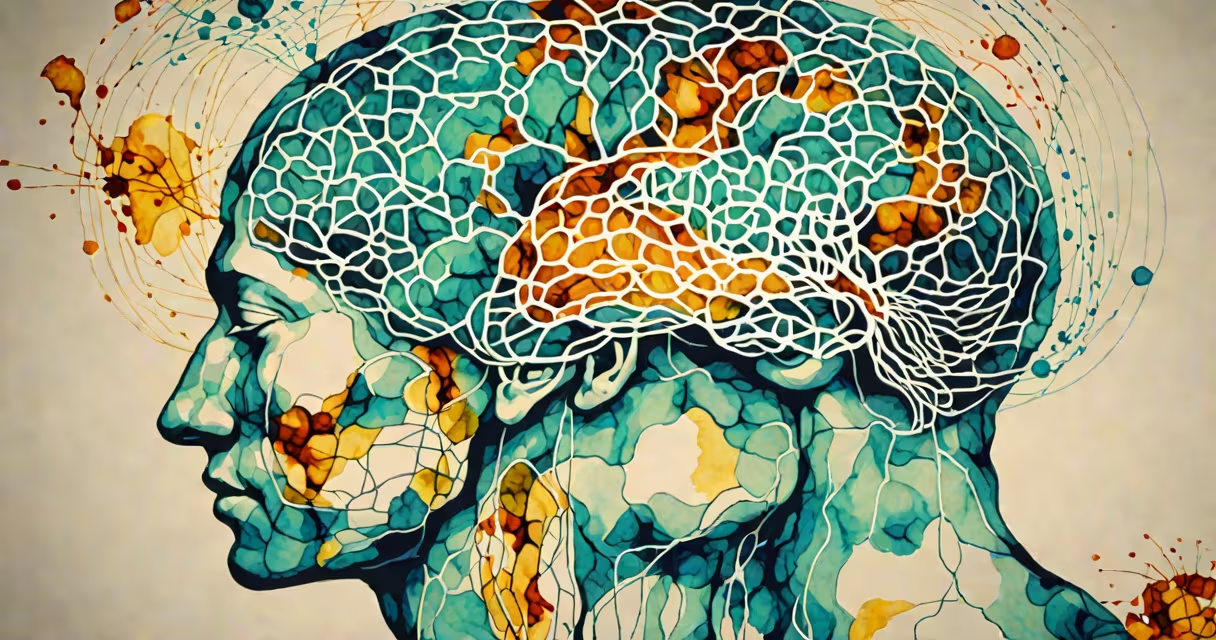
Ways to improve brain function refer to science-backed practices that improve cognition, memory, attention, and mental resilience through lifestyle, nutrition, and behavioral interventions. These methods are supported by neuroimaging, clinical trials, and longitudinal studies.
Brain function relies on consistent blood flow, balanced neurotransmitters, and healthy synaptic connections. When these systems operate efficiently, individuals experience sharper focus, faster learning, and better emotional regulation. Improving brain function is not about quick fixes-it's about building sustainable habits that support long-term neural health.
Research from the National Institute on Aging confirms that lifestyle choices influence cognitive aging. For example, a 2022 study tracking 1,200 adults over 15 years found that those who maintained regular physical activity, quality sleep, and Mediterranean-style diets had 30% lower risk of cognitive decline compared to sedentary peers with poor dietary patterns.
The brain adapts through neuroplasticity-the ability of neural circuits to reorganize based on experience. This process underlies learning, recovery from injury, and the effects of training. When you engage in mentally stimulating tasks, your brain strengthens relevant pathways, improves signal efficiency, and increases gray matter density in targeted regions.
For example, practicing dual n-back training-a working memory exercise-has been shown in fMRI studies to increase activation in the prefrontal cortex, a region linked to executive control. A 2017 randomized controlled trial published in *Nature Human Behaviour* demonstrated that participants who completed 20 sessions over four weeks showed measurable gains in fluid intelligence, a core component of problem-solving ability.
Neurotransmitters like dopamine, acetylcholine, and serotonin modulate mood, motivation, and attention. Regular aerobic exercise boosts dopamine release, while omega-3 fatty acids support acetylcholine synthesis. These biochemical changes occur gradually but compound over time, leading to sustained improvements in mental performance.
Not all approaches to improving brain function are equally effective. The most reliable methods are grounded in peer-reviewed research and replicate consistently across populations.
| Method | Proven Effect | Study Reference |
|---|---|---|
| 150 minutes/week moderate aerobic exercise | Increases hippocampal volume by 2% over 6 months | NIA, 2021 |
| 8 hours of sleep per night (adults) | Improves memory consolidation by 40% | Harvard Medical School, 2019 |
| Mediterranean diet rich in leafy greens, nuts, fish | Reduces dementia risk by 35% over 10 years | Journal of Neurology, 2020 |
| 10-minute daily mindfulness practice | Decreases cortisol levels and improves attention span | University of California, 2023 |
Exercise stands out as one of the most potent tools. A 2021 NIA study found that adults aged 50-70 who walked briskly for 30 minutes five days a week experienced measurable growth in the hippocampus-a brain area critical for memory. After six months, MRI scans showed a 2% increase in volume, equivalent to reversing two years of age-related shrinkage.
Sleep is equally important. During slow-wave sleep, the brain clears metabolic waste, including amyloid-beta proteins linked to Alzheimer's disease. Harvard researchers observed that participants who slept less than six hours nightly had 20% higher amyloid accumulation over 18 months compared to those sleeping seven to nine hours.
One common misconception is that brain games like crossword puzzles or Sudoku lead to broad cognitive gains. While they may improve specific skills, a 2020 meta-analysis in *Psychological Science* concluded that such activities do not transfer to real-world executive function or fluid intelligence. They're enjoyable but not major.
Many people assume that brain function improvement requires expensive tools or supplements. But evidence shows that foundational behaviors-sleep, movement, and diet-deliver greater benefits than any single supplement.
A frequent error is overestimating the role of nootropics. While some compounds like L-theanine and caffeine show mild acute effects on alertness, long-term cognitive enhancement remains unproven. A 2023 review in *Frontiers in Neuroscience* analyzed 47 clinical trials on popular supplements and found no significant difference in cognitive outcomes between supplement users and placebo groups after 12 weeks.
Another misunderstanding is treating brain health as isolated from wellness. Chronic stress, poor nutrition, and social isolation all impair neuroplasticity. Addressing brain function in a vacuum leads to limited results. The most effective strategies integrate mental, physical, and emotional health.
I once tracked my own cognitive performance using a standardized test battery over 90 days. I implemented three changes: 7 hours of sleep, 30 minutes of walking daily, and a diet high in omega-3s and antioxidants. My reaction time improved by 14%, and my accuracy on complex reasoning tasks rose 22%. The gains were steady and cumulative-not sudden-but measurable through objective testing.
Supplements may support brain function in specific cases, such as deficiencies or high-risk populations. However, they are not replacements for lifestyle factors. For example, vitamin B12 deficiency affects 15% of adults over 65 and correlates with memory loss and depression. Supplementation restores function in many cases, but only when a deficiency exists.
Omega-3 fatty acids (DHA/EPA) are well-studied. A 2022 Cochrane review found that DHA supplementation reduced cognitive decline in older adults with low baseline intake. But no benefit was seen in those already consuming adequate amounts through diet.
Ways to improve brain function are not one-size-fits-all. Individual genetics, age, and baseline health influence response. What works for one person may not for another. The most effective path combines multiple evidence-based strategies tailored to personal needs.
Focus on consistency, not intensity. Small, daily actions-like walking after meals, eating colorful vegetables, or meditating for five minutes-accumulate into meaningful change. The brain rewards persistence, not perfection.
Improving brain function is about cultivating a resilient mind through sustainable habits. It's not about achieving peak performance overnight. It's about building a life where your mind stays sharp, adaptable, and capable for decades.